
A well-executed open house is defined as a scheduled, public showing designed to attract multiple qualified buyers in a single event. Done right, it creates urgency, generates competing interest, and positions your property above comparable listings. This open house planning guide covers every stage, from the first week of preparation through post-event follow-up, so you walk away with more offers and fewer regrets. Professional staging, targeted marketing, and smart visitor management are not optional extras. They are the difference between a property that lingers and one that closes.
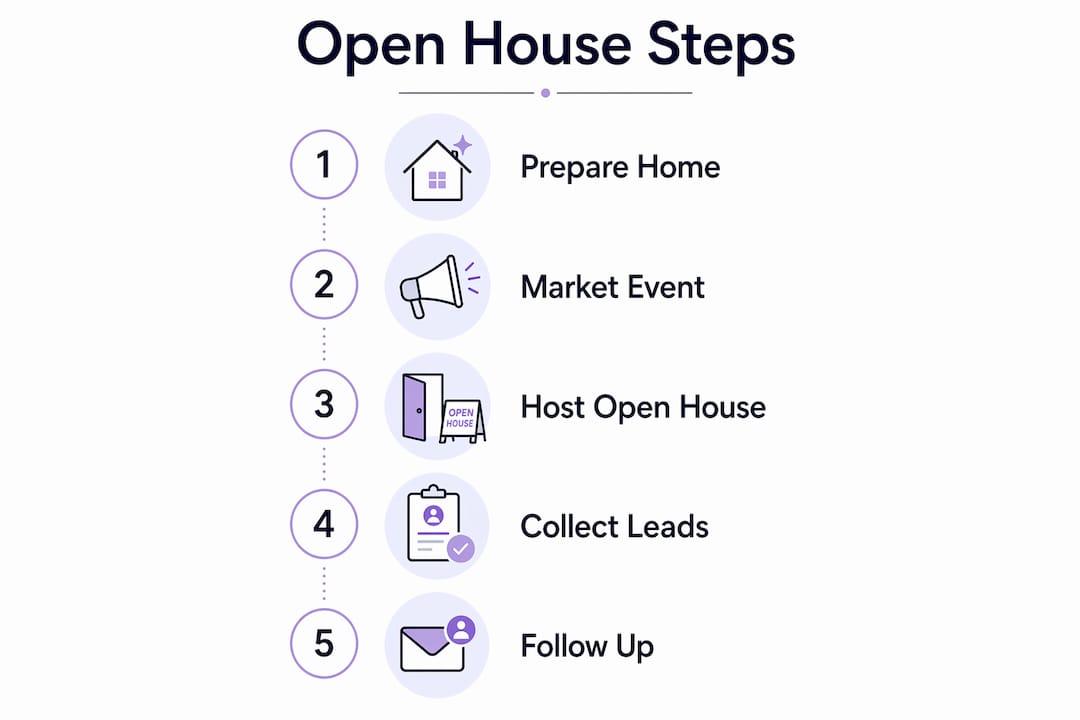
What does a solid open house planning guide actually cover?
The foundation of any successful showing is a 10–14 day preparation window. Starting 10–14 days out gives you time to coordinate staging, finalize marketing materials, and brief your sellers without rushing. Agents who compress this timeline into 48 hours consistently report lower turnout and weaker offers.
Your first week should focus on three things: collecting complete property details, confirming the showing schedule, and identifying staging needs. Pull together the property’s square footage, utility costs, HOA rules, recent upgrades, and any inspection reports. Buyers ask about all of these on the day, and fumbling for answers kills confidence.
- Confirm the date and time. Weekend afternoons, particularly Saturday and Sunday between 1:00 PM and 4:00 PM, consistently draw the highest foot traffic. Avoid holiday weekends and local event conflicts.
- Audit the property for staging needs. Walk every room and note what needs to be removed, repaired, or rearranged before the showing.
- Brief your sellers. Set clear expectations about their role, what to remove, and where to be during the event.
- Build your marketing plan. Identify which channels you will use and set deadlines for each asset, including photos, social posts, and flyers.
- Prepare your open house checklist. A written checklist prevents last-minute scrambles and keeps the preparation on track.
Pro Tip: Schedule your open house for the second or third weekend after listing. The first weekend generates organic online traffic from new listing alerts. The open house then captures buyers who saw the listing but have not yet visited.
How should you prepare your home before the showing?
Staging is the single highest-return investment a seller can make before a showing. Professionally staged homes sell for 5%–15% more than unstaged properties. That range represents tens of thousands of dollars on a median-priced home, which makes the cost of a professional stager look negligible.
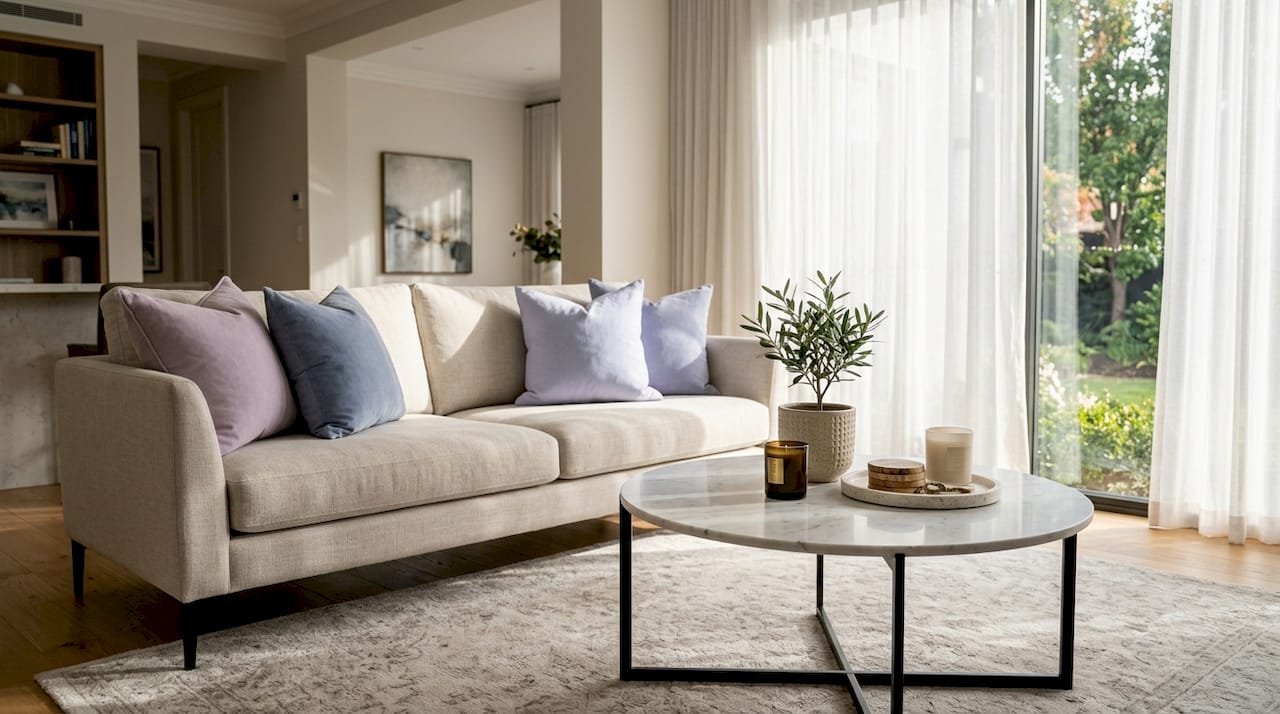
Deep cleaning comes before staging, not after. Buyers notice odors before they notice finishes. Strong smells influence 80% of buyers’ perception of a home, which means pet odors, cooking smells, and musty basements are silent deal killers. Hire a professional cleaner, open windows for 24 hours before the event, and avoid cooking strong-smelling food the morning of the showing.
Decluttering and depersonalizing go hand in hand. Neutralizing a space means removing personal, political, and religious items so buyers can mentally place themselves in the home. Family photos, sports memorabilia, and political signs all anchor the space to someone else’s life. Remove them entirely, not just relocate them to another room.
- Clear countertops in kitchens and bathrooms down to three items or fewer
- Remove excess furniture to make rooms feel larger and easier to move through
- Store personal collections, toys, and hobby equipment off-site if possible
- Repair visible damage: scuffed baseboards, dripping faucets, and cracked outlet covers signal neglect
- Maximize natural light by opening blinds, cleaning windows, and removing heavy drapes
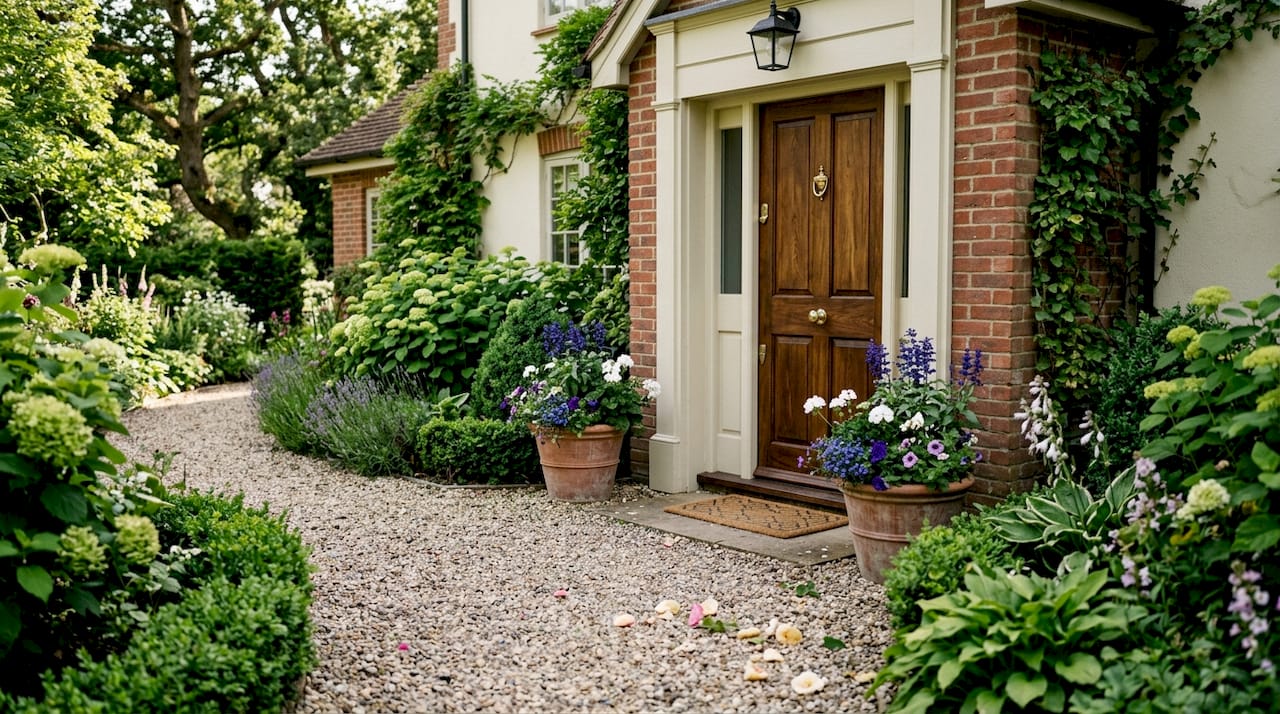
Curb appeal sets the first impression before buyers step inside. Properties with enhanced curb appeal sell for 7% more on average. Mow the lawn, edge the driveway, power-wash the front walkway, and add fresh mulch to garden beds. A clean, welcoming entry signals that the home has been cared for throughout.
Pro Tip: Remove all valuables, prescription medications, and sensitive financial documents from the property before the open house. Dozens of strangers will walk through unsupervised. Treat it like a public event, because it is.
What open house marketing strategies actually drive attendance?
The 3 M’s strategy, which stands for Marketing, Maximizing Light, and Minimizing Clutter, is the most cited framework in professional real estate showing preparation. Marketing is listed first for a reason. A perfectly staged home with no visitors is a wasted afternoon.
Multi-channel promotion is the standard for any serious real estate open house. Update the MLS listing with “Open House” status and the confirmed date at least seven days out. Post a social media event on Facebook, Instagram, and any neighborhood-specific platforms like Nextdoor. Targeted digital ads on Facebook and Instagram, set to a radius of 5–10 miles around the property, reach active buyers who may not be following your listings. For agents looking to sharpen their digital reach, social media for local leads is a proven channel worth building before the event date.
Physical signage remains one of the most underrated tools in any open house marketing strategy. Directional signs at key intersections significantly increase drive-by visitors from the surrounding neighborhood. Place signs at the nearest major intersection, at the turn onto the street, and directly in front of the property. Use bright colors, large fonts, and arrows that are readable at 30 miles per hour.
Your promotional materials should include:
- A one-page property flyer with professional photos, key specs, and asking price
- A digital version of the flyer for email distribution to your buyer list
- A neighborhood amenities sheet highlighting schools, transit, and nearby retail
- A QR code linking to the full online listing with a virtual tour if available
Capturing visitor information at the event is where marketing converts to leads. Use a digital sign-in tool or a simple registration sheet at the entrance. Collect name, email, phone number, and whether the visitor is working with an agent. This data feeds your post-event follow-up, which is where most sales actually close. Agents who build a real estate lead nurturing process around open house visitors consistently outperform those who rely on the event alone.
| Marketing approach | Primary benefit | Effort level |
|---|---|---|
| MLS open house status update | Reaches active buyer agents | Low |
| Social media event posts | Broad local awareness | Low |
| Targeted digital ads | Reaches buyers not following listings | Medium |
| Physical directional signage | Captures drive-by neighborhood traffic | Medium |
| Email to buyer prospect list | Directly contacts motivated buyers | Low |
| Neighborhood flyer distribution | Reaches potential referral sources | Medium |
How should you manage the event on the day?
Sellers should not be present during the open house. Seller absence improves visitor comfort and enables buyers to speak candidly with their agents. When sellers are present, buyers self-censor. They avoid pointing out concerns, they rush through rooms, and they leave without giving honest feedback. That feedback is valuable data for pricing and negotiation.
The agent’s job on the day is to create a welcoming environment and gather information, not to deliver a sales pitch. Set the thermostat to a comfortable temperature, 68–72°F in most climates. Turn on every light in the house, including closets and utility spaces. Place fresh flowers in the kitchen and living room. Light refreshments, water, coffee, and a small snack, signal hospitality without distraction.
- Greet every visitor at the door and offer a property flyer
- Ask open-ended questions: “What brings you out today?” and “What are you looking for in your next home?”
- Point out two or three key features per room without overwhelming buyers with a scripted tour
- Allow buyers to explore at their own pace after the initial introduction
- Note visitor reactions and comments for post-event seller debrief
Most open house visits last 20–45 minutes. That window is enough time for a buyer to form a strong impression. Your follow-up within 24 hours of the event is what converts that impression into an offer. Contact every registered visitor with a personal note, a link to the listing, and an invitation to schedule a private showing.
Pro Tip: Keep a notepad and record one specific comment from each visitor group. “The couple in the blue jackets loved the kitchen but asked about the roof age” is far more useful than a generic sign-in sheet when you sit down to review feedback with your seller.
Key Takeaways
A successful open house requires preparation that starts 10–14 days out, covers staging and marketing in equal measure, and converts visitors into leads through disciplined follow-up.
| Point | Details |
|---|---|
| Start 10–14 days early | Use the full preparation window for staging, marketing, and seller coordination. |
| Stage and neutralize the home | Remove personal items and invest in staging to increase perceived value by up to 15%. |
| Use multi-channel marketing | Combine MLS updates, social media, targeted ads, and physical signage for maximum reach. |
| Keep sellers off-site | Seller absence lets buyers explore freely and give honest feedback to their agents. |
| Follow up within 24 hours | Contact every registered visitor promptly to convert open house interest into offers. |
What I’ve learned after watching hundreds of open houses fall flat
The most common mistake I see is sellers and agents treating the open house as the finish line rather than the starting gun. The event itself is a lead generation moment. The sale almost never happens at the door.
The second mistake is confusing activity with preparation. Baking cookies and lighting candles are fine touches, but they do not compensate for a cluttered living room or a front yard that looks neglected. Buyers make their first judgment from the street. If the exterior does not earn a second look, the cookies are irrelevant.
Open houses are often lead-gen tools for agents as much as they are selling events for the property. Sellers should ask their agent directly: “What is your specific plan to sell this home at this open house, and how will you follow up with every visitor?” That question separates agents who have a process from those who are running a general prospecting event on your property’s time.
The sellers who get the best results are the ones who treat preparation like a professional obligation. They leave the house spotless, they stay away during the event, and they ask for a written debrief within 48 hours. That discipline, more than any single staging trick or marketing tactic, is what separates a productive open house from an expensive afternoon.
— Jason
Plo helps agents turn open house visitors into clients
Every open house generates a list of names. What happens to that list in the next 72 hours determines whether the event was worth the effort.

Plo gives real estate agents the prospecting tools and follow-up systems to convert open house leads into signed clients, faster and with less manual work. From top prospecting tools built for agents who work high volumes of leads, to a full client acquisition workflow designed for local markets, Plo puts the right tools in your hands at the right moment. The agents who close the most deals are not the ones who host the most open houses. They are the ones who follow up the best. Plo makes that follow-up systematic, personal, and fast.
FAQ
What is the ideal timeline for open house preparation?
The optimal preparation window is 10–14 days before the event. This allows time for staging, photography, MLS updates, and multi-channel marketing to reach active buyers.
How much can staging increase a home’s sale price?
Professionally staged homes sell for 5%–15% more than unstaged properties. The return on a professional stager typically far exceeds the cost, particularly in competitive markets.
Should the seller be present during the open house?
Sellers should leave the property for the duration of the event. Buyer absence from the seller allows visitors to speak candidly with their agents and explore rooms without feeling observed or pressured.
What information should agents collect from open house visitors?
Collect each visitor’s name, email address, phone number, and whether they are working with a buyer’s agent. This data is the foundation of your post-event follow-up and lead nurturing process.
How long do buyers typically spend at an open house?
Most open house visits last between 20 and 45 minutes. That window is sufficient for buyers to form a strong impression, making the quality of staging and agent interaction critical during that time.