

You’ve invested in professional photography, staged every room with precision, and written what feels like a compelling description. Yet the inquiries trickle in slowly, and high-quality buyers seem to scroll past. This frustration is more common than most agents admit, and it rarely comes down to the property itself. The gap between a listing that sits and one that sells fast lies in the strategy behind it. This guide walks you through next-level preparation, marketing execution, and real-time optimization tactics proven to work in competitive and luxury markets. Every step is actionable, evidence-backed, and built for agents who want to control the narrative and win more clients.
Table of Contents
- Preparation: Lay the groundwork for listing success
- Crafting a listing that resonates with buyers
- Multi-channel promotion: Maximize reach and engagement
- Monitor performance and refresh for lasting results
- Why the best listings are never static: Our expert take
- Boost your results with proven real estate tools
- Frequently asked questions
Key Takeaways
| Point | Details |
|---|---|
| Thorough preparation matters | Attention to cleaning, staging, and asset collection raises listing value and appeal. |
| Leverage all channels | Early, multi-platform promotion—including social, email, and exclusive events—amplifies reach and engagement. |
| Monitor and refresh content | Regularly analyzing views and updating visuals or headlines helps maintain top ranking and client interest. |
| Stay agile for best results | Iterative adjustments based on data set successful listings apart from the competition. |
Preparation: Lay the groundwork for listing success
Every high-performing listing starts long before the photos are taken. The foundation you build in the pre-listing phase directly shapes how buyers perceive value, especially in luxury markets where first impressions carry enormous weight. Skipping this stage is one of the most costly mistakes agents make.
Start by assembling your full content asset checklist. You need more than photos. A complete content package includes:
- Professional photography (wide-angle, natural light, twilight exterior shots)
- Cinematic video walkthrough or drone footage for properties with notable grounds
- Accurate floorplans with room dimensions clearly labeled
- Lifestyle highlights such as proximity to marinas, golf courses, or private schools
- Neighborhood context shots that sell the surrounding experience, not just the home
Timeline management is equally critical. Schedule your photography shoot only after repairs, deep cleaning, and staging are complete. Build in buffer time. A rushed shoot on a property that isn’t fully ready wastes your budget and produces assets you’ll need to redo.
“Preparation is the price of premium positioning. Buyers in luxury markets don’t forgive a poor first impression.”
One often-overlooked detail: sensory preparation. Pre-listing preparation tips from the National Association of Realtors emphasize deep cleaning to eliminate odors from pets, cooking, and dampness, then using neutral scents before any visual marketing begins. Buyers form emotional responses within seconds of entering a space, and those same emotional cues translate through video and virtual tours.
Pro Tip: Walk through the property as a buyer would, starting from the curb. Note every sensory detail: smells, sounds, visual clutter. Address each one before any camera enters the building.
Your listing attraction strategies should also account for pre-launch marketing. Building anticipation before a listing goes live creates a surge of early views that signals relevance to platform algorithms. Pair that with strong real estate branding ideas to ensure your name is as memorable as the property itself.
Crafting a listing that resonates with buyers
With your preparations in place, it’s time to create a listing that captures imagination and compels action. The words and visuals you choose aren’t just descriptive, they’re persuasive tools that speak to both rational and emotional buyer motivations.
Start with your headline. It needs to do two things: communicate a specific benefit and create curiosity. “4BR home in Malibu” is forgettable. “Private coastal retreat with panoramic ocean views and resort-style grounds” creates a mental image that pulls buyers in.
For the listing description, follow this sequence:
- Open with the lifestyle, not the specs. Paint the experience of living there.
- Introduce the standout features that differentiate this property from comparable listings.
- Layer in the practical details: bedrooms, bathrooms, square footage, lot size.
- Close with urgency or exclusivity: limited availability, recent upgrades, or neighborhood demand.
Visual sequencing matters just as much as copy. Your hero photo is the single most important asset in your listing. Lifestyle staging strategies recommend refreshing photos and promotional materials whenever early engagement drops, which means your hero image should be data-informed, not just aesthetically chosen.
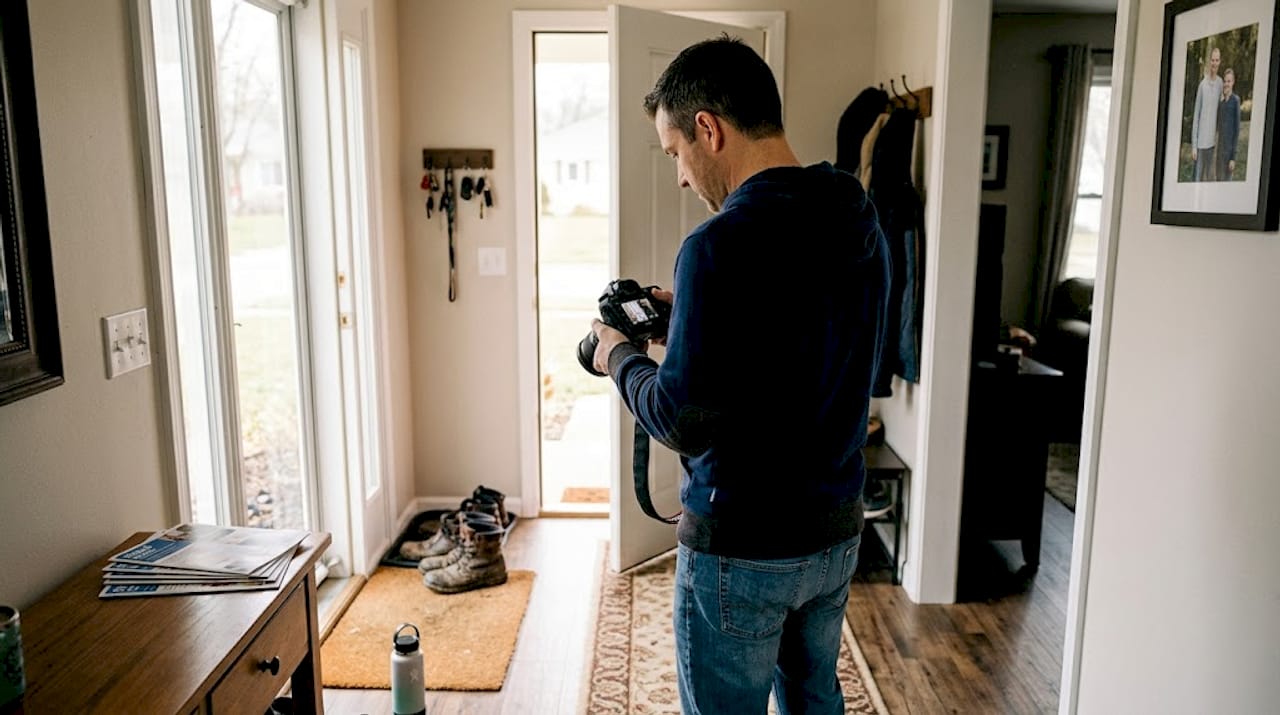
Pro Tip: Pull view count and engagement data from previous listings to identify which room types and shot angles historically generate the most clicks. Use that data to select your hero photo, not just your personal preference.
Here’s a quick reference for visual asset impact:
| Visual asset | Primary buyer impact | Best use case |
|---|---|---|
| Hero exterior shot | First impression, emotional pull | All listing types |
| Kitchen lifestyle photo | Aspirational living | Mid to luxury tier |
| Drone/aerial footage | Scale and location context | Estates, waterfront |
| Virtual tour | Depth of engagement | Out-of-market buyers |
| Floorplan graphic | Rational decision support | All listing types |
For luxury brokerage tips that go deeper on buyer psychology and visual storytelling, it’s worth studying how top producers sequence their assets across platforms, not just within the MLS.
Multi-channel promotion: Maximize reach and engagement
Once your listing is crafted, getting it seen by the right audience is critical for results. The MLS alone is not a strategy. It’s a starting point.
Early listing activity is a signal. Most major real estate portals use engagement metrics to determine how prominently a listing appears in search results. High views, saves, and inquiries in the first 48 to 72 hours can push a listing to the top of relevant searches and sustain that visibility for weeks. That means your multi-channel listing promotion plan needs to launch simultaneously with the MLS go-live, not after.
Here’s a breakdown of the core promotion channels and their typical impact:
| Channel | Reach type | Best for |
|---|---|---|
| Instagram/Facebook ads | Targeted, visual | Luxury and aspirational buyers |
| Google Business Profile posts | Local search visibility | Area-specific buyers |
| Email workflows | Warm audience nurturing | Repeat clients, referrals |
| Single-property website | Premium brand positioning | High-end listings |
| Exclusive broker events | Network and word-of-mouth | Ultra-luxury tier |
Your promotion checklist should include:
- Targeted social ads on Instagram and Facebook using demographic and interest-based targeting
- Google Business Profile posts updated at launch and weekly to maintain local search presence
- Email marketing for brokers with segmented workflows for active buyers, past clients, and referral partners
- Social media tips for agents applied to organic content: Reels, Stories, and carousel posts
- A dedicated single-property site for luxury listings, giving the property its own URL and brand presence
For ultra-luxury properties, private broker events and exclusive previews generate the kind of word-of-mouth that no ad budget can replicate. Pair that with luxury marketing ideas that position you as the authority in your market, not just the listing agent.
According to industry data, listings promoted across four or more channels see significantly higher inquiry rates than those relying on MLS alone. Diversifying your distribution isn’t optional in competitive markets. It’s your competitive edge.
Monitor performance and refresh for lasting results
After launching promotion, ongoing monitoring ensures your listing doesn’t lose momentum and keeps attracting buyers. Most agents set it and forget it. The best agents treat every listing like a live campaign.
Start by tracking these key metrics from day one:
- Total views and unique views across all platforms
- Save and favorite counts on Zillow, Realtor.com, and your MLS portal
- Inquiry volume and quality: Are contacts asking serious questions or just browsing?
- Time spent on listing page if you have a dedicated property site
- Email open and click rates from your listing announcement campaigns
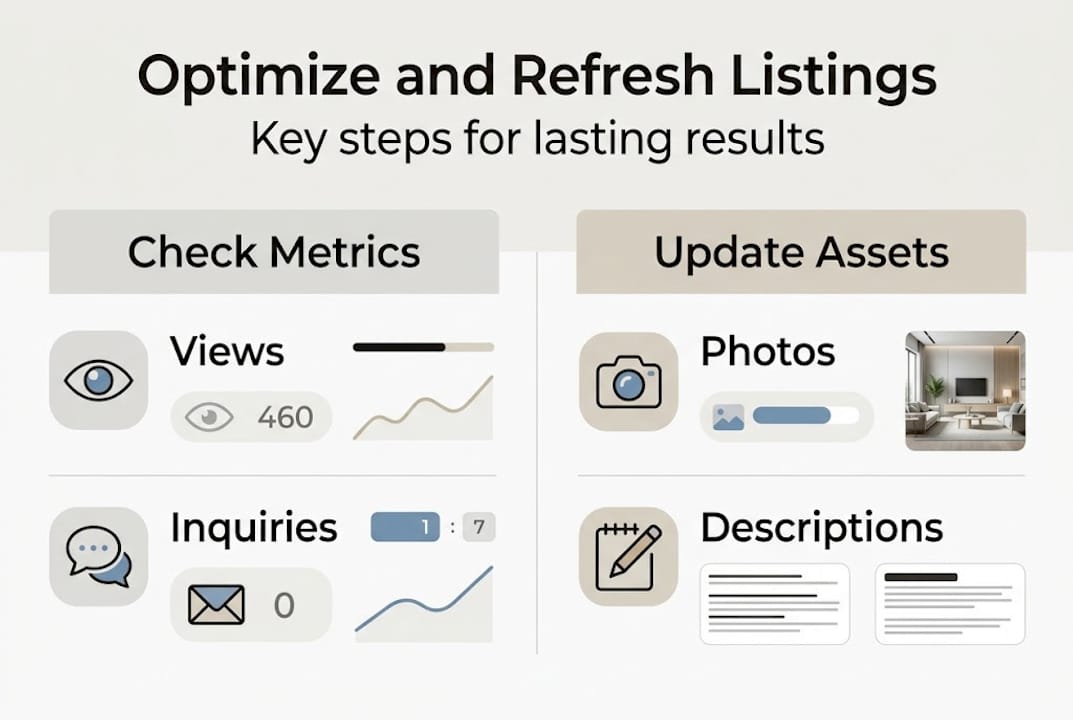
Performance tracking tips from NAR confirm that monitoring views and saves early, then refreshing content when engagement is low, is one of the most effective ways to extend a listing’s active shelf life. CRM insights are equally critical here, helping you identify which buyer segments are engaging and which outreach sequences are converting.
If metrics drop, here’s where to tweak first:
- Swap the hero photo with a different room or angle
- Rewrite the headline to test a new emotional hook
- Refresh your social ad creative with new imagery or copy
- Trigger a re-engagement email to your warm buyer list
- Update your GBP post with new listing details or a price adjustment note
A well-structured email marketing workflow keeps your buyer list warm and responsive throughout the listing cycle. Combined with a strong advanced marketing strategy, these refresh tactics compound over time and build your reputation as an agent who stays ahead of the market.
Pro Tip: Set a recurring calendar reminder every 10 days to audit your listing metrics. Review what’s changed, what’s dropped, and what needs a refresh. Consistency here separates agents who close fast from those who watch listings go stale.
Why the best listings are never static: Our expert take
Here’s a perspective most guides won’t give you: the polished, well-prepared listing you launch on day one is not the listing that will close the deal. Markets shift. Buyer preferences evolve. A photo that performed brilliantly in spring may feel flat in fall. The agents who consistently outperform their peers aren’t just better at preparation. They’re better at reading real-time signals and acting on them faster than the competition.
In our experience working with advanced prospecting for luxury clients, the biggest missed opportunities come from agents who review listing performance monthly instead of weekly. By the time a monthly review rolls around, you’ve already lost two to three weeks of potential momentum.
Micro-adjustments matter more than most agents realize. A single photo swap or a rewritten headline can revive a listing that was quietly fading. CRM data often signals these shifts before the numbers become alarming. If your open rates on listing emails start declining, that’s your early warning. Act then, not after inquiries drop.
The agents who win in competitive markets treat every listing as a living asset, not a published document. That mindset is the real differentiator.
Boost your results with proven real estate tools
Ready to turn insights into action? Leverage the right platforms to streamline your property optimization and client attraction. The strategies in this guide are only as powerful as the tools you use to execute them.
ex.plo.re gives real estate agents and luxury brokers the top real estate prospecting tools to execute every stage of this guide, from pre-listing prep to post-launch monitoring. Explore our luxury broker marketing tools to find the right fit for your market and client base. If you want to stay ahead of the curve, our AI tools for luxury brokers can amplify your reach and sharpen your targeting with less manual effort. Your next high-value listing deserves a strategy that matches its potential.
Frequently asked questions
What is the most effective way to promote a luxury property online?
A multi-channel promotion strategy combining social media, targeted ads, dedicated property sites, and personalized CRM outreach drives maximum exposure and buyer engagement. Promoting beyond the MLS with social media, email, and Google Business Profile posts significantly increases qualified inquiry rates.
How often should listing photos and descriptions be updated?
Listing assets should be refreshed if early engagement is low or at least every two to three weeks as market preferences shift. Refreshing photos and promotions when engagement drops is one of the fastest ways to revive a stalling listing.
What metrics indicate a listing is underperforming?
Watch for declining views, few saves or shares, or a drop in inquiries, which all signal it’s time to update your strategy. Monitoring views and saves from day one gives you the baseline needed to spot underperformance early.
How important is professional staging in property listings?
Professional staging significantly enhances listing appeal, especially for lifestyle-driven buyers in luxury markets. Staging for lifestyle shots and using neutral scents are proven tactics that influence buyer perception before a single conversation takes place.