
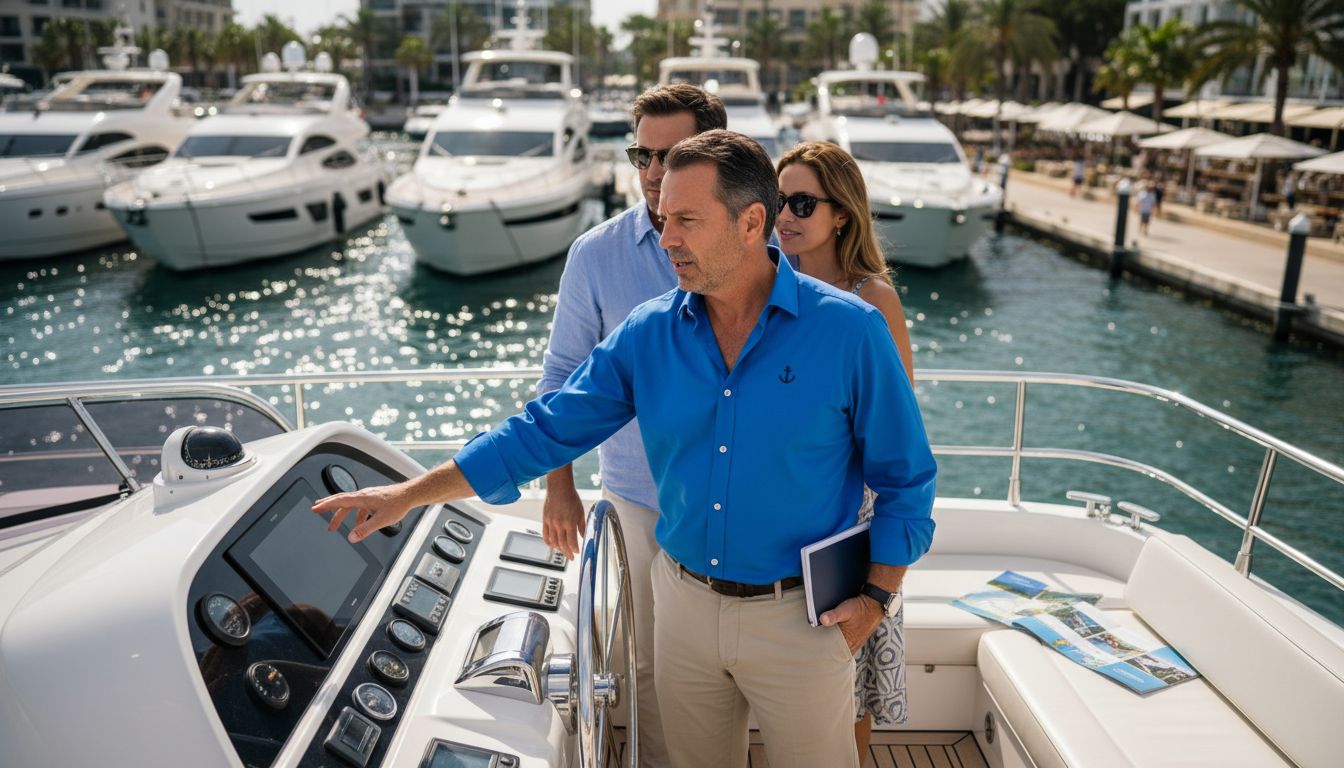
Over 60 percent of American luxury buyers say the yacht market is more complex than any other high-end asset purchase. Navigating a yacht sale in the United States involves far more than simply choosing the right boat. It combines technical expertise, relationship building, and meticulous legal work that sets it apart from real estate or automotive sales. Whether you are a first-time buyer or a seasoned seller, understanding each step of the yacht sales cycle is essential to achieving a smooth, successful transaction.
Table of Contents
- Defining The Yacht Sales Cycle
- Key Roles And Listing Variations
- Preparing And Marketing The Yacht
- Negotiation, Survey And Sea Trial
- Closing, Legal And Commission Details
Key Takeaways
| Point | Details |
|---|---|
| Understanding the Yacht Sales Cycle | The yacht sales cycle consists of critical stages: prospecting, qualification, presentation, negotiation, and closing, requiring a personalized approach for each transaction. |
| Role of Brokers | Brokers play vital roles as either listing or selling agents, employing tailored marketing strategies, and negotiating effectively to bridge high-net-worth sellers and discerning buyers. |
| Importance of Preparation and Marketing | Proper yacht preparation involves cleaning, maintenance, and compelling storytelling to create an appealing investment narrative that resonates with potential buyers. |
| Navigating Legal and Commission Aspects | Closing a yacht sale involves intricate legal documentation and commission structures that demand meticulous attention to detail to ensure a smooth transaction. |
Defining the Yacht Sales Cycle
The yacht sales cycle represents a complex, multi-stage process that transforms potential leads into successful transactions. Unlike traditional real estate or automotive sales, yacht brokerage demands a nuanced approach that balances technical expertise, relationship building, and strategic marketing. Brokers who master this cycle understand that each yacht sale is a unique journey requiring personalized navigation.
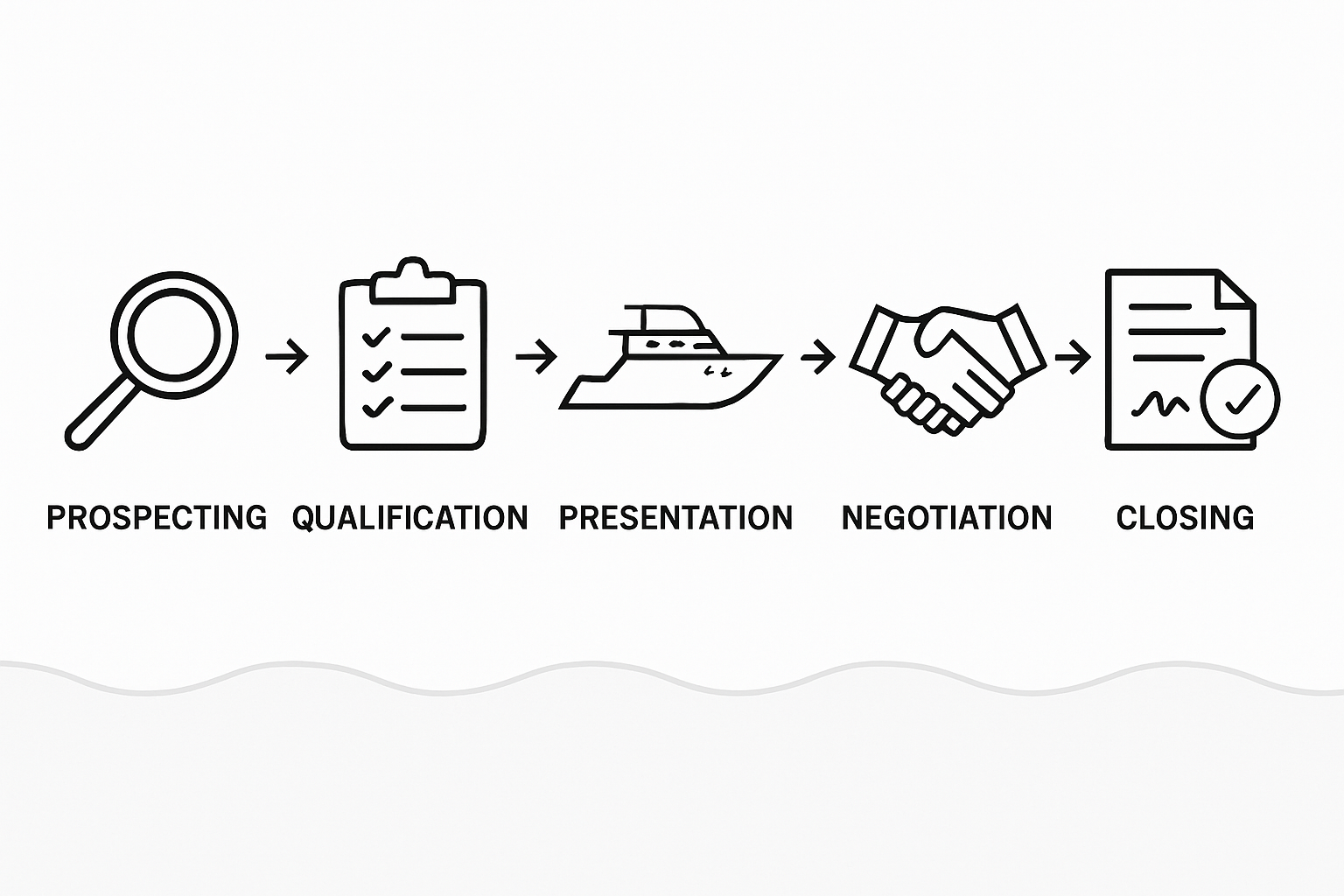
Successful yacht sales typically involve five critical stages: prospecting, qualification, presentation, negotiation, and closing. During the prospecting phase, brokers identify potential buyers through targeted networking, marina connections, boat shows, and digital marketing strategies. Qualification involves thoroughly understanding the client’s preferences, budget constraints, and intended usage – whether for leisure, racing, or commercial purposes.
The presentation stage requires deep product knowledge and the ability to match specific yacht characteristics with buyer expectations. High-net-worth clients demand comprehensive information about vessel specifications, maintenance history, performance capabilities, and potential investment value. Skilled brokers create immersive experiences that go beyond basic specifications, helping clients envision themselves enjoying their potential maritime investment. Negotiation and closing stages involve intricate discussions around price, equipment, potential upgrades, and complex financial arrangements that often extend beyond simple monetary transactions.
Mastering the yacht sales cycle is not just about selling a vessel – it’s about crafting an exceptional client experience that builds long-term trust and potential referral networks. Top brokers recognize that each sale represents more than a transaction; it’s an opportunity to establish a reputation for excellence in a niche, discerning market.
Key Roles And Listing Variations
In the yacht brokerage world, understanding the key roles and listing approaches is fundamental to successful transactions. Yacht brokers serve as critical intermediaries, representing either sellers or buyers through complex maritime sales processes. These professionals bring specialized expertise that goes far beyond traditional sales, managing intricate negotiations, marketing strategies, and technical evaluations that distinguish yacht transactions from other luxury asset sales.
Brokers typically operate in two primary roles: listing brokers and selling brokers. Listing brokers represent sellers, developing comprehensive marketing strategies to showcase vessels and attract potential buyers. Selling brokers represent buyers, utilizing their network and market knowledge to identify suitable yachts matching client specifications. Listing variations can significantly impact sales strategy, with two primary approaches emerging: exclusive and open listings.
Exclusive listings involve a single broker managing the entire sales process, providing focused marketing and dedicated representation. This approach ensures concentrated effort and potentially more strategic positioning. Open listings, conversely, allow multiple brokers to introduce potential buyers, increasing market exposure but potentially reducing the level of personalized attention. Each listing type carries unique advantages: exclusive listings offer depth of engagement, while open listings provide broader market reach.
Successful yacht brokers must navigate these roles with exceptional interpersonal skills, technical knowledge, and strategic thinking. They bridge complex expectations between high-net-worth sellers and discerning buyers, transforming maritime assets into carefully curated ownership experiences. Mastering these roles requires not just sales acumen, but a nuanced understanding of maritime culture, technical specifications, and client relationship management.
Preparing And Marketing The Yacht
Successful yacht sales begin long before listing the vessel. Preparing your yacht requires meticulous attention to detail, focusing on comprehensive presentation and strategic marketing. Brokers must transform the vessel from a personal asset into an attractive investment opportunity that captures potential buyers’ imaginations. This process involves systematic cleaning, strategic maintenance, and creating a compelling narrative around the yacht’s unique characteristics and potential.
The preparation phase demands thorough documentation and aesthetic refinement. Brokers should conduct comprehensive maintenance checks, addressing any mechanical or cosmetic issues that could deter potential buyers. Creating a robust marketing media package is crucial, involving professional photography, detailed virtual tours, and comprehensive listings that showcase the yacht’s most compelling features. High-quality visual content becomes the primary communication tool, bridging the gap between initial interest and serious buyer consideration.
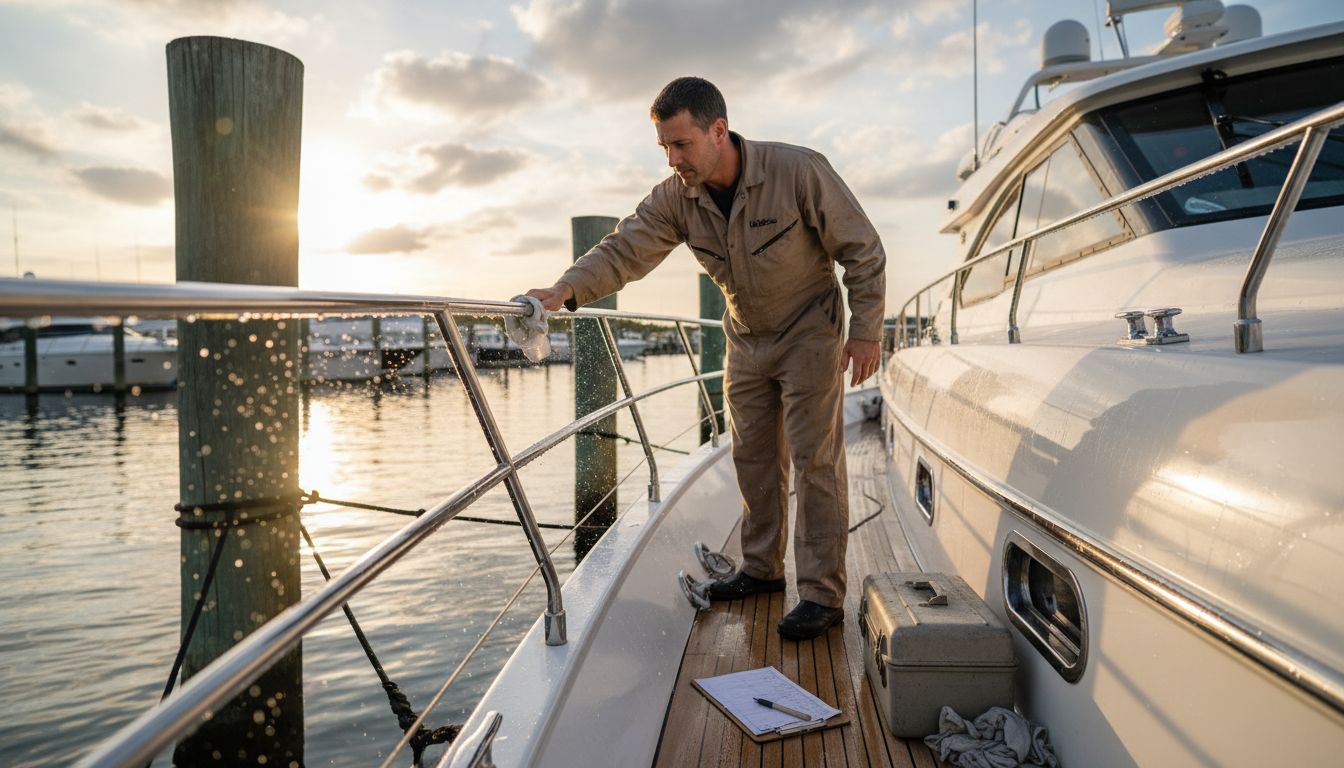
Marketing strategies for luxury yachts extend beyond traditional sales approaches. Brokers must leverage specialized platforms, exclusive networks, and targeted digital marketing to reach high-net-worth individuals. Yacht marketing strategies require a nuanced approach that combines technical specification details with lifestyle storytelling. This means creating compelling narratives that highlight not just the vessel’s specifications, but the potential experiences and lifestyle opportunities it represents.
Ultimately, successful yacht preparation and marketing is an art form that blends technical expertise, visual storytelling, and strategic positioning. Brokers who master this approach understand that they are not merely selling a vessel, but presenting a gateway to extraordinary maritime experiences. Every detail matters – from polished woodwork to meticulously organized documentation – transforming a simple listing into an irresistible opportunity for discerning buyers.
Negotiation, Survey And Sea Trial
The negotiation, survey, and sea trial phase represents the most critical juncture in the yacht sales process, where theoretical interest transforms into potential ownership. This complex stage demands exceptional interpersonal skills, technical knowledge, and strategic negotiation techniques that go far beyond simple price discussions. Brokers must simultaneously manage technical evaluations, buyer expectations, and delicate financial negotiations while maintaining professional relationships.
Negotiations typically involve multiple layers of discussion beyond the vessel’s base price. Buyers will scrutinize maintenance records, request comprehensive mechanical assessments, and require detailed documentation of the yacht’s history. Yacht sales mandate requirements become particularly important during this phase, as they outline the specific terms, conditions, and potential contingencies that protect both buyer and seller interests. Professional brokers understand that successful negotiations require transparency, technical expertise, and the ability to address potential concerns proactively.
The survey and sea trial represent the technical validation of the yacht’s condition and performance. During these critical assessments, independent marine surveyors conduct comprehensive inspections, examining everything from hull integrity to mechanical systems. Sea trials provide potential buyers direct experience with the vessel’s handling, performance characteristics, and real-world functionality. Brokers must prepare clients for these evaluations, managing expectations and facilitating a professional, detailed examination that builds confidence in the potential transaction.
Ultimately, the negotiation, survey, and sea trial phase is a delicate dance of technical evaluation, financial strategy, and interpersonal communication. Successful yacht brokers act as skilled navigators, guiding both buyers and sellers through complex technical and emotional terrain. They must balance technical precision with emotional intelligence, transforming a potential transaction from a mere financial exchange into a carefully orchestrated transfer of maritime passion and investment.
Closing, Legal And Commission Details
The final stage of the yacht sales process demands extraordinary precision, combining legal complexity with financial negotiation. Yacht broker transactions involve intricate closing procedures that require meticulous attention to documentation, ownership transfer, and financial settlement. Brokers must navigate a sophisticated landscape of maritime legal requirements, ensuring all parties’ interests are comprehensively protected while facilitating a seamless transaction.
Commission structures represent a critical component of the yacht brokerage ecosystem. Yacht sales commission arrangements typically range around 10% of the vessel’s sale price, paid by the seller upon successful transaction completion. These commissions compensate brokers for their extensive expertise, network connections, marketing efforts, and negotiation skills. Smart brokers understand that their compensation reflects not just the final sale price, but the entire value they bring to complex maritime transactions.
Legal documentation during yacht sales involves multiple sophisticated instruments. Purchase agreements must comprehensively outline vessel condition, potential contingencies, inspection requirements, and financial terms. Brokers need to collaborate with maritime lawyers to draft precise contracts that protect both buyer and seller, addressing potential scenarios like mechanical issues, sea trial results, and ownership transfer complexities. These documents serve as critical safeguards, ensuring transparent and legally binding transactions.
Ultimately, closing a yacht sale represents the culmination of an intricate process blending technical knowledge, interpersonal skills, and legal acumen. Successful brokers approach this final stage as more than a mere financial transaction – they view it as the strategic conclusion of a carefully managed relationship, transforming months of preparation, marketing, and negotiation into a successful maritime asset transfer.
Master the Yacht Sales Cycle with Tools That Amplify Your Success
The yacht sales cycle demands precision, deep market knowledge, and seamless management of complex stages like negotiation, survey, and closing. If you find yourself challenged by the intricate process of prospecting high-net-worth buyers or navigating exclusive listings, you are not alone. Brokers seek to enhance client experiences while managing technical and legal details effortlessly. Our platform is built to help you overcome these exact pain points by streamlining your workflow and providing expert tools tailored for yacht brokers.
With ex.plo.re you gain
- Access to cutting-edge prospecting and sales cycle management
- Ability to improve your pitch and build trust through streamlined communication
- Support that taps into your existing work without forcing change
Are you ready to elevate your brokerage approach and close deals more effectively? Start mastering your yacht sales journey today with ex.plo.re CRM and explore how we help brokers sharpen their skills on how to find yacht buyers while optimizing every sales stage.

Empower your yacht brokerage with solutions designed to handle every detail from preparation to commission. Visit ex.plo.re CRM now and transform your sales cycle into a powerhouse of efficiency and success.
Frequently Asked Questions
What are the stages of the yacht sales cycle?
The yacht sales cycle consists of five critical stages: prospecting, qualification, presentation, negotiation, and closing. Each stage requires specific actions and skills to successfully move potential leads toward a sale.
How can brokers effectively prepare a yacht for sale?
Brokers can prepare a yacht for sale by focusing on comprehensive presentation, thorough maintenance checks, and creating a compelling marketing media package that includes professional photography and detailed listings highlighting the yacht’s unique features.
What is the difference between exclusive and open listings in yacht sales?
Exclusive listings involve a single broker managing the entire sales process, ensuring focused marketing and representation, while open listings allow multiple brokers to introduce potential buyers, increasing market exposure but providing less personalized attention.
What legal considerations should be taken into account during a yacht sale?
During a yacht sale, brokers must navigate intricate legal documentation, including purchase agreements that outline vessel condition, inspection requirements, and financial terms. Collaboration with maritime lawyers is essential to ensure that all parties’ interests are protected throughout the transaction.