Overview: The agents who consistently win at open houses treat them as full business campaigns, not weekend obligations. Stage the home, market it across every channel starting 10–14 days out, engage visitors with curiosity rather than a sales pitch, and follow up within 24 hours. Do all of that with a repeatable system, and an open house stops being a gamble and starts being your most reliable lead source.
Here is what the best open house practices look like in practice:
- Stage and deep clean before anyone steps through the door, paying special attention to kitchens, bathrooms, and curb appeal
- Market across multiple channels simultaneously: MLS, social media, targeted ads, and neighbor outreach
- Schedule strategically, with Sunday early-to-mid afternoon as the proven peak window for most markets
- Engage visitors warmly without hovering, using curiosity-based questions to open real conversations
- Capture every lead with a digital sign-in backed by a printed sheet
- Follow up within 24 hours, segmenting contacts by readiness and tailoring each outreach accordingly
- Secure the property before and after, checking every window and door once visitors have left
- Use technology including QR codes, CRM automation, and short-form video to extend your reach before and after the event
The National Association of REALTORS® has long emphasized preparation and professionalism as the foundation of any successful showing. The agents who internalize that standard and build a repeatable system around it are the ones filling their pipelines from a single Sunday afternoon.
What to do (and what to skip) when hosting an open house
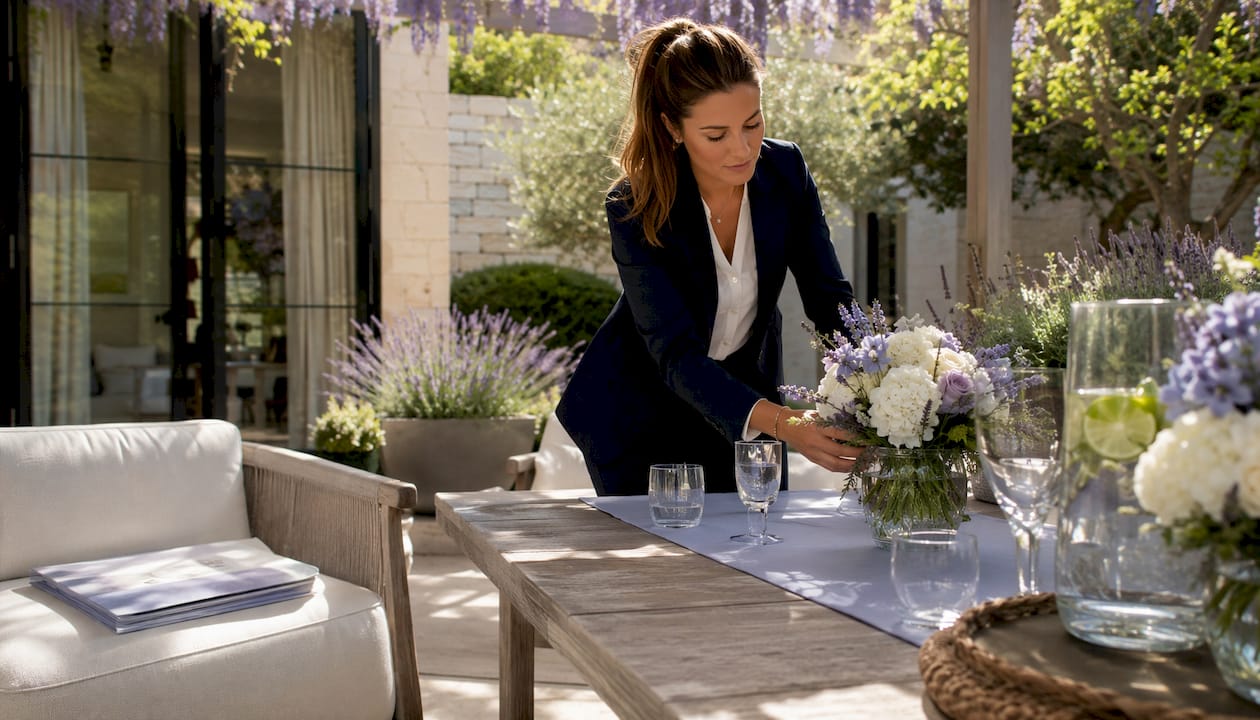
Preparation is where most open houses are won or lost before a single visitor arrives. The home does the selling. Your job is to remove every obstacle between a buyer’s first impression and a genuine emotional connection with the property.
What to do:
- Deep clean everything. Buyers open cabinets, check grout lines, and run their fingers along baseboards. A spotless home signals “well maintained” before anyone asks a single question.
- Declutter aggressively. Remove many belongings, pack away personal photos, and clear countertops. Buyers need a blank canvas to picture their own lives in the space.
- Handle minor repairs first. A dripping faucet or sticking door plants a “what else is wrong?” thought that follows buyers out the door. Fix the small things before they become negotiation leverage.
- Stage each room with purpose. Professionally staged homes sell for more on average, and even a basic refresh, furniture pulled from walls, surfaces cleared, each room given a clear function, makes a measurable difference.
- Boost curb appeal. Homes with strong curb appeal sell for 7% more on average. Mow, edge, pressure wash the driveway, and add two potted plants flanking the entry.
- Neutralize odors. 80% of buyers say scent influences their perception of a home, per the National Association of Realtors. Open windows for 30 minutes before guests arrive, remove pet items, and skip the heavy candles.
- Secure valuables. Lock up jewelry, prescription medications, laptops, and financial documents. Move them off-premises when possible.
- Check every window and door after the event. Guests have been known to unlatch windows for later access. A post-event walkthrough is non-optional.
What to skip:
- Sellers staying in the home. Buyers cannot explore honestly or discuss concerns with their agent when the homeowner is present. Leave for the full duration plus 30 minutes on each side.
- Overdoing the staging. Too much furniture or overly styled vignettes feel forced and distract from the home’s actual bones.
- Ignoring smells. Strong food, pet, or smoke odors leave a lasting negative impression that no amount of staging can fix.
- Blocking access to any room or closet. Buyers want to see everything. Closed doors create suspicion.
Pro Tip: Walk the property as a stranger would. Enter through the front door, pause at each doorway, and check lines of sight, temperature, odors, and noise. Whatever bothers you in that walk will bother every buyer who follows.
How to market your open house and fill the room
Putting a sign in the yard and hoping for the best is not a marketing strategy. Effective promotion starts 10–14 days before the event and runs across multiple channels simultaneously.
Channel-by-channel breakdown:
- MLS listing. Enter the open house into your local MLS at least five days in advance. This automatically syndicates to major real estate portals where active buyers are already searching.
- Social media campaign. Run a sequenced content push: a teaser post 10 days out, a full announcement with photos at 7 days, a short video walkthrough at 3 days, and a reminder the day before. Facebook remains the strongest platform for local buyer reach; Instagram Reels drive the highest per-post engagement.
- Targeted paid ads. A $50–$150 Facebook and Instagram ad targeted to users within a 15-mile radius who have shown interest in real estate can reach thousands of qualified prospects. Include the best exterior photo, the date and time, and a one-sentence hook about the home’s strongest feature.
- Neighbor outreach. Door-knock or mail the 20–30 nearest homes with a personal invitation. Neighbors are statistically one of the best sources of buyer referrals, and they are often curious about what homes in their area sell for.
- Agent database email. A dedicated email to your active buyer list and past clients produces higher-quality attendees than almost any other channel because these people have already expressed interest.
- Directional signage. On event day, place signs at every decision point within a half-mile radius. A buyer driving through the neighborhood should be able to follow a trail of signs from the main road to the front door.
Timing matters. Sunday early-to-mid afternoon is the proven peak window, with most events running 2–3 hours. If your market is saturated on Sundays, a weekday event draws fewer visitors but more serious buyers with less competition for their attention.
Pro Tip: Successful agents create mid-week social clips showing the property’s best features and offer neighborhood market analysis as a lead magnet. You are not just marketing a home. You are positioning yourself as the local expert buyers and sellers want to call first. Refresh your outdoor signs mid-event too. Faded or fallen signs send exactly the wrong message at exactly the wrong moment.
For a deeper look at social media marketing for agents, Plo has a dedicated resource that covers local lead generation across platforms.
How to engage visitors and create a buyer experience worth remembering
The moment someone walks through the door, your job shifts from marketer to host. The best agents are warm, curious, and present without being pushy. That balance is what turns a casual visitor into a client conversation.
Hosting best practices:
- Greet every visitor by name. Ask their name first and offer yours only after they ask. It puts people at ease immediately and signals that you are there to help, not to sell.
- Use curiosity-based questions. “How long have you been looking?” and “What caught your eye about this home?” open genuine dialogue without pressure. These are fact-finding questions, not sales questions.
- Guide the tour around benefits, not features. “This layout keeps the kitchen connected to the family area, perfect for entertaining” lands differently than “the kitchen is 400 square feet.” Buyers buy feelings, not square footage.
- Give visitors space. Once guests are inside, let them explore. Stay close enough to add insight when asked, but resist the urge to narrate every room.
- Offer light refreshments. A simple setup with water, coffee, and a snack creates a welcoming atmosphere and gives visitors a natural reason to linger, which increases the chance of a real conversation.
- Accommodate families. Put away fragile objects within a child’s reach and have a clear, safe path through the home. Parents who feel comfortable bring their full attention to the property.
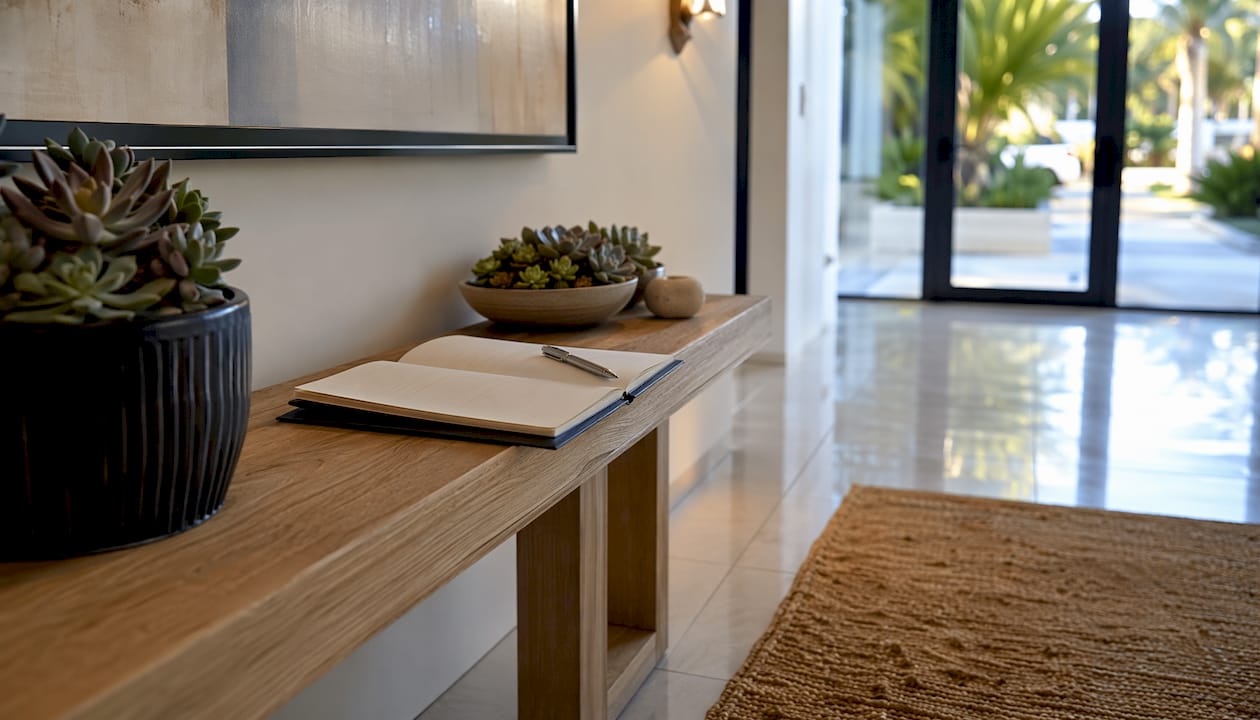
- Set up sign-in as part of the experience. Frame it conversationally: “We track visitors so I can send you updates on similar homes you might like.” A tablet works well for speed; always have a printed backup in case of Wi-Fi issues.
When neighbors drop by, pivot the conversation naturally. Ask if they have thought about what their own home might list for in today’s market. Open houses can drive listing leads just as effectively as buyer leads when you target the right audience and hold events on well-priced, well-presented properties.
Follow-up best practices that actually convert open house leads
The open house plants the seed. Follow-up is the water. Most agents stop after one touch. That is where the opportunity lives.
The system that works:
- Contact every visitor within 24 hours. Reaching unrepresented visitors within 24 hours builds trust and opens the door to a buyer consultation. A simple text or email, “Thanks for stopping by. I thought you’d enjoy seeing a few similar listings that just came up,” is enough to restart the conversation.
- Segment your leads before you reach out. Hot leads get a personal call and an offer to see similar homes. Warm leads go into a drip campaign with market updates. Neighbors receive a thank-you note and an offer for a free neighborhood market analysis.
- Use a CRM to automate without losing the personal touch. A standardized, repeatable follow-up system with automated sequences keeps you consistent across dozens of contacts without every message feeling like a mass email.
- Track your metrics. How many sign-ins did you collect? How many follow-ups converted to appointments? Which marketing pieces drove the most traffic? Treat every open house as a data point in a larger system.
- Send a written report to the seller or listing agent. How many visitors attended, what the general sentiment was, and what feedback buyers gave about price or condition. That feedback is raw market data, and it deserves to be shared honestly.
Pro Tip: Build your follow-up workflow before the event, not after. Pre-written templates for hot, warm, and neighbor contacts mean you can send personalized outreach within hours of closing the door, while the property is still fresh in every visitor’s mind. Plo’s real estate follow-up strategies resource covers exactly how to build that kind of repeatable system.
Technology tools that give your open house a professional edge
The agents who consistently outperform their peers are not working harder. They are working with better systems. Technology does not replace the human side of an open house. It amplifies it.
Tools worth using:
- Digital sign-in tablets. An iPad with a sign-in app captures cleaner records and feeds directly into your CRM. Always keep a printed clipboard as backup. Technology fails. A missed lead because the Wi-Fi dropped is an avoidable loss.
- QR codes. Place them throughout the home and on your signage. A well-placed QR code can direct visitors to the full listing, a 3D walkthrough, your contact page, or a private showing request form. It is a 24/7 lead funnel that works even after visitors leave.
- 3D virtual tours. Matterport-style walkthroughs help remote buyers revisit the layout and give local buyers a way to compare what they saw after the event. They also drive pre-event attendance by building familiarity before anyone steps inside.
- Short-form video. A 30–60 second Instagram Reel or Facebook video walkthrough posted mid-week before the event consistently outperforms static photo posts for engagement. Post a “happening now” Story on event day to capture last-minute traffic.
- CRM and drip marketing platforms. Automated sequences keep you in front of warm leads without requiring manual follow-up on every contact. The top CRM tools for real estate vary widely in features and price points. Choose one that integrates with your sign-in system so leads flow directly into your pipeline without manual data entry.
Plo’s platform is built specifically for agents who want to connect these pieces into a single workflow, from pre-event marketing through post-event lead nurturing, without stitching together a dozen disconnected tools.
Handling offers and negotiations after the open house
The open house creates momentum. How you manage what comes next determines whether that momentum turns into a signed contract.
What to do when interest is real:
- Debrief the seller promptly. Share attendance numbers, visitor sentiment, and any direct feedback about price or condition. If multiple visitors mentioned the kitchen feels dated or the price is too high, that feedback needs to reach the seller without softening. It is market data, not opinion.
- Create urgency when it is genuine. If multiple buyers expressed serious interest, communicate that honestly. Manufactured urgency backfires quickly in today’s market. Real competition, stated plainly, motivates decisions.
- Respond to offers with full context. Know the seller’s motivation, timeline, and flexibility before any offer comes in. An agent who has done the homework can negotiate from a position of clarity rather than reacting in the moment.
- Follow up with serious prospects before they go cold. For visitors who expressed strong interest but did not submit an offer, a personal call within 48 hours with a specific next step, a private showing, a disclosure package, or a lender introduction, keeps the conversation alive.
- Track competing interest transparently. If a second offer arrives while the first is being reviewed, handle it according to your state’s disclosure requirements and your seller’s instructions. Transparency protects everyone and keeps negotiations from derailing.
The agents who close deals from open houses are not the ones with the most traffic. They are the ones who know exactly what each visitor needs and follow up with the right offer at the right moment. That discipline, applied consistently, is what separates a productive open house from a busy afternoon that goes nowhere.
Key Takeaways
A successful open house is a system, not an event. Preparation, promotion, engagement, and follow-up each have to work together for the results to compound.
| Point | Details |
|---|---|
| Start marketing 10–14 days out | Use MLS, social media, targeted ads, and neighbor outreach simultaneously for maximum reach. |
| Curb appeal drives price | Homes with strong curb appeal sell for more on average; prioritize the exterior before any visitor arrives. |
| Scent shapes perception | Most buyers say smell influences their view of a home; neutralize odors before every showing. |
| Follow up within 24 hours | Contacting unrepresented visitors within 24 hours builds trust and opens buyer consultation opportunities. |
| Secure the property post-event | Check every window and door after guests leave; some visitors unlatch them for later access. |
Ready to turn your next open house into a full lead-generation machine? Plo gives real estate agents the tools to prospect and convert more clients at every stage of the sales cycle, from pre-event marketing through post-event follow-up. Your next listing opportunity might already be in the room.