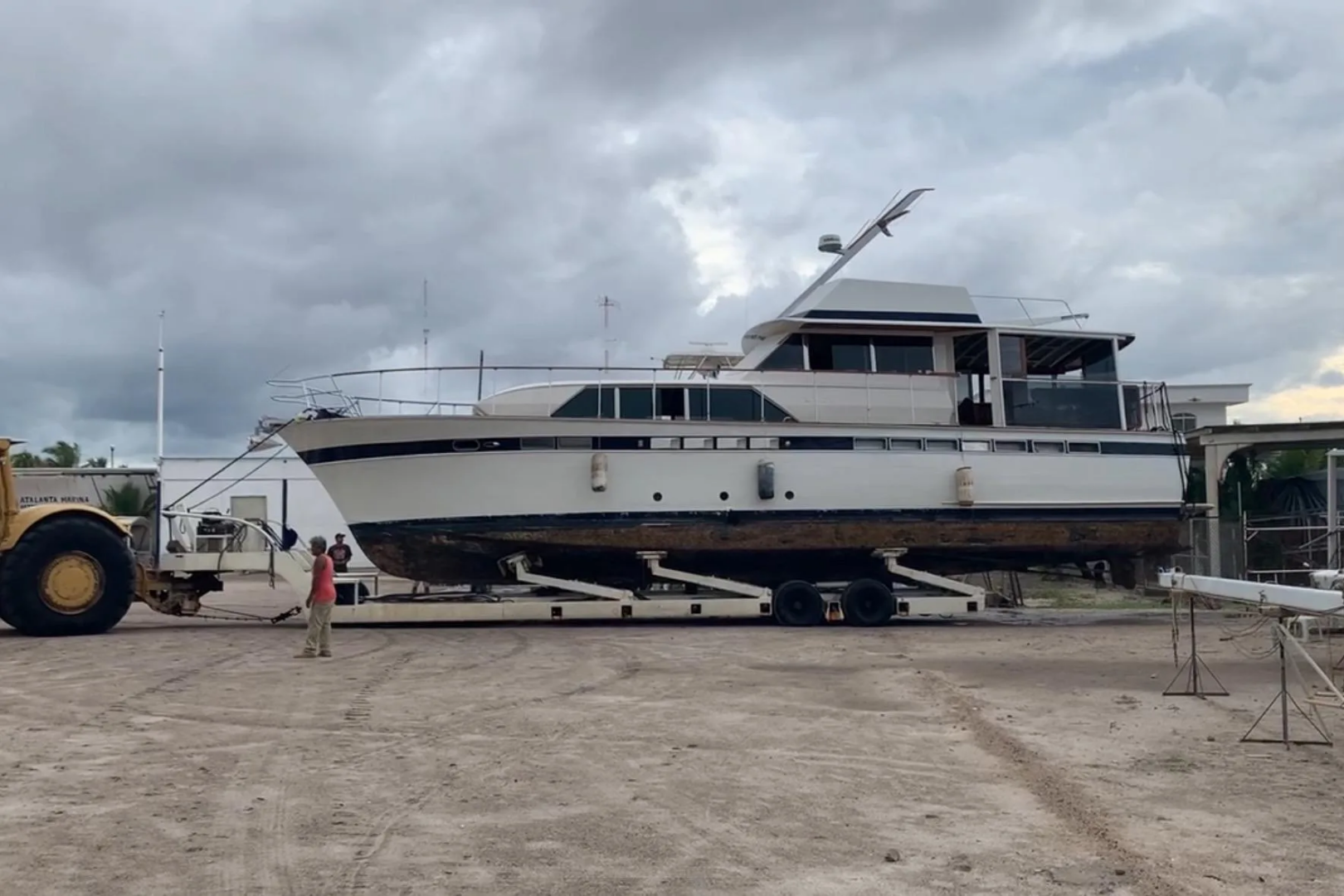
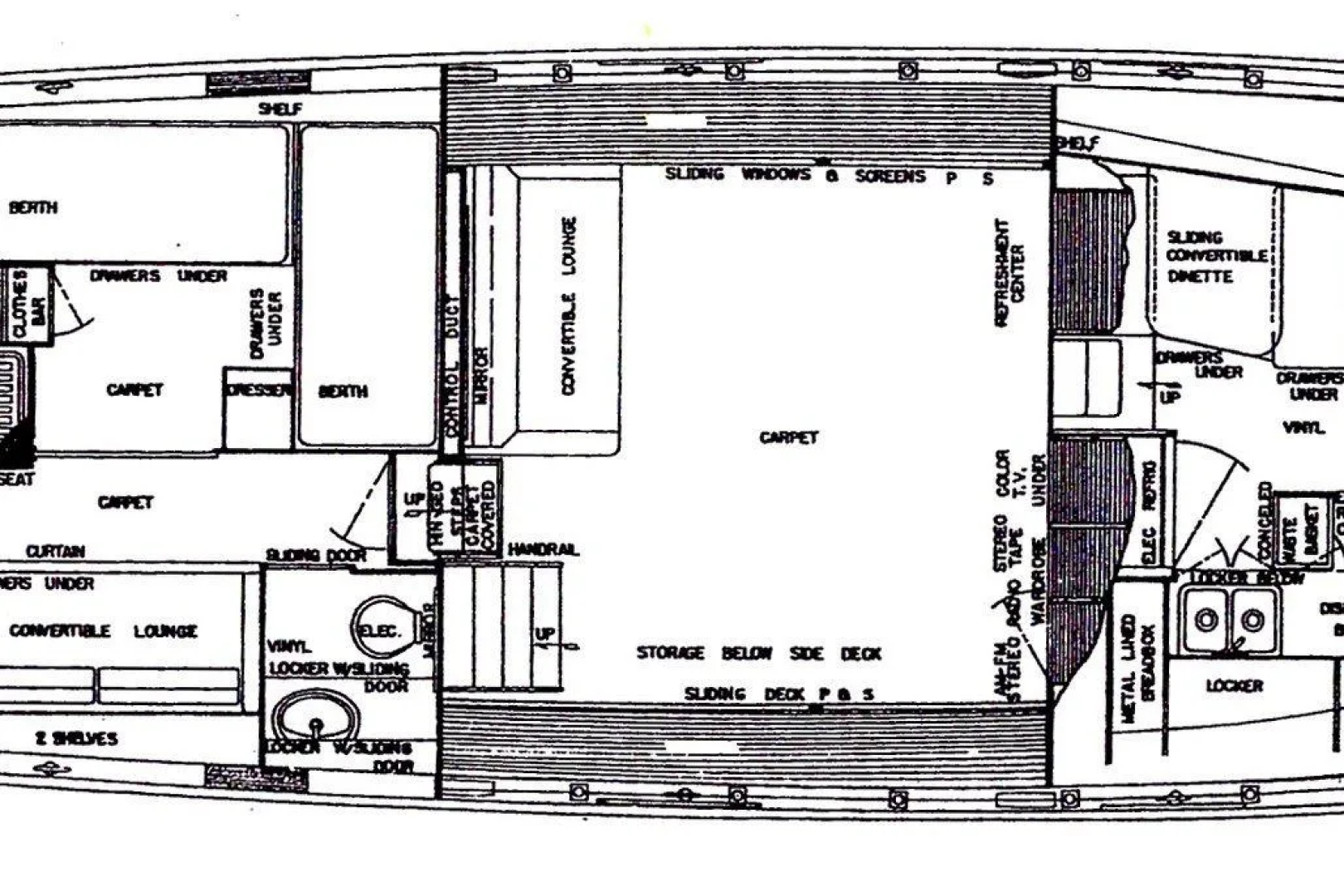
Phase 1: Complete systems overhaul, newly revised interior layout, all new wiring and all systems replaced and modernized
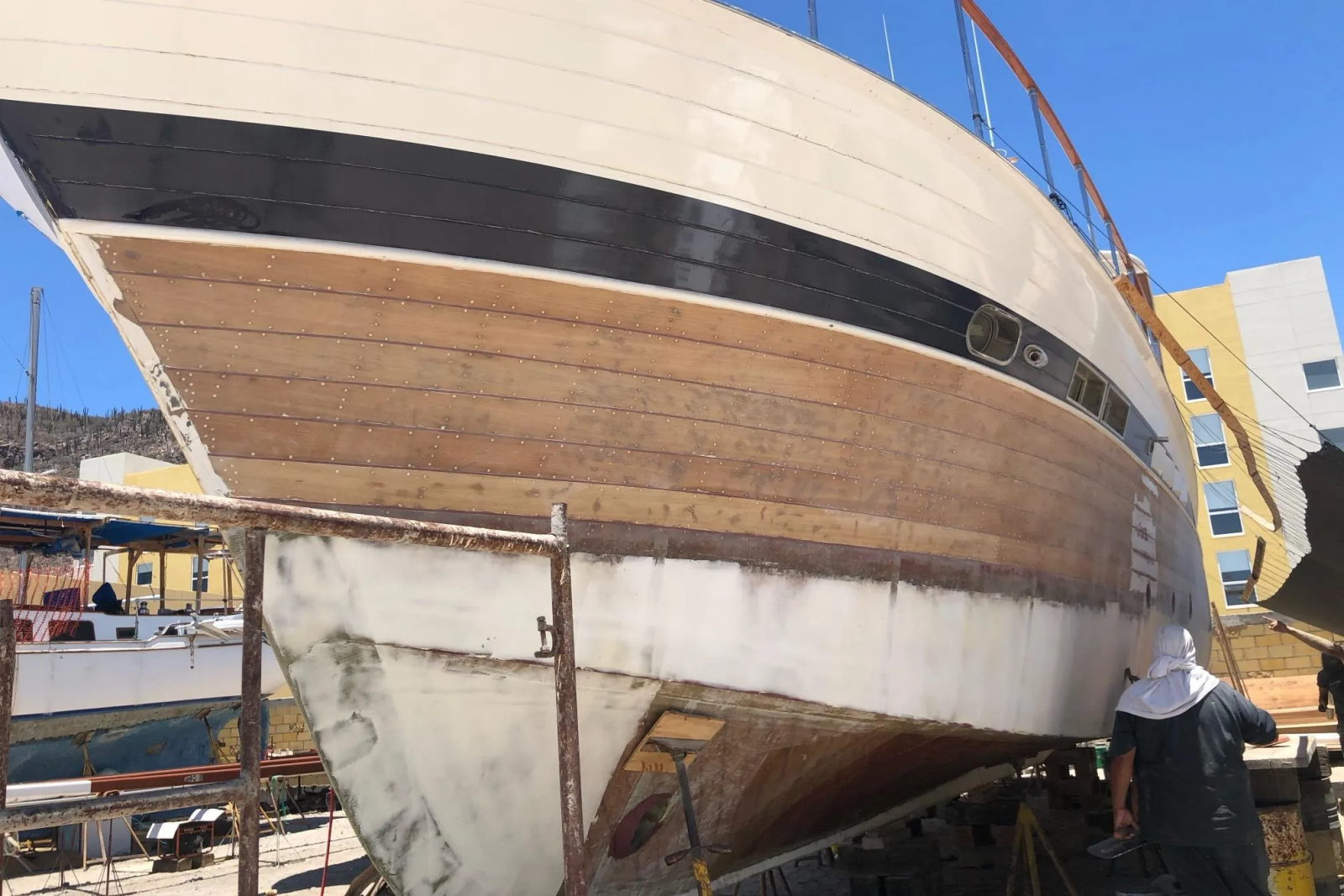
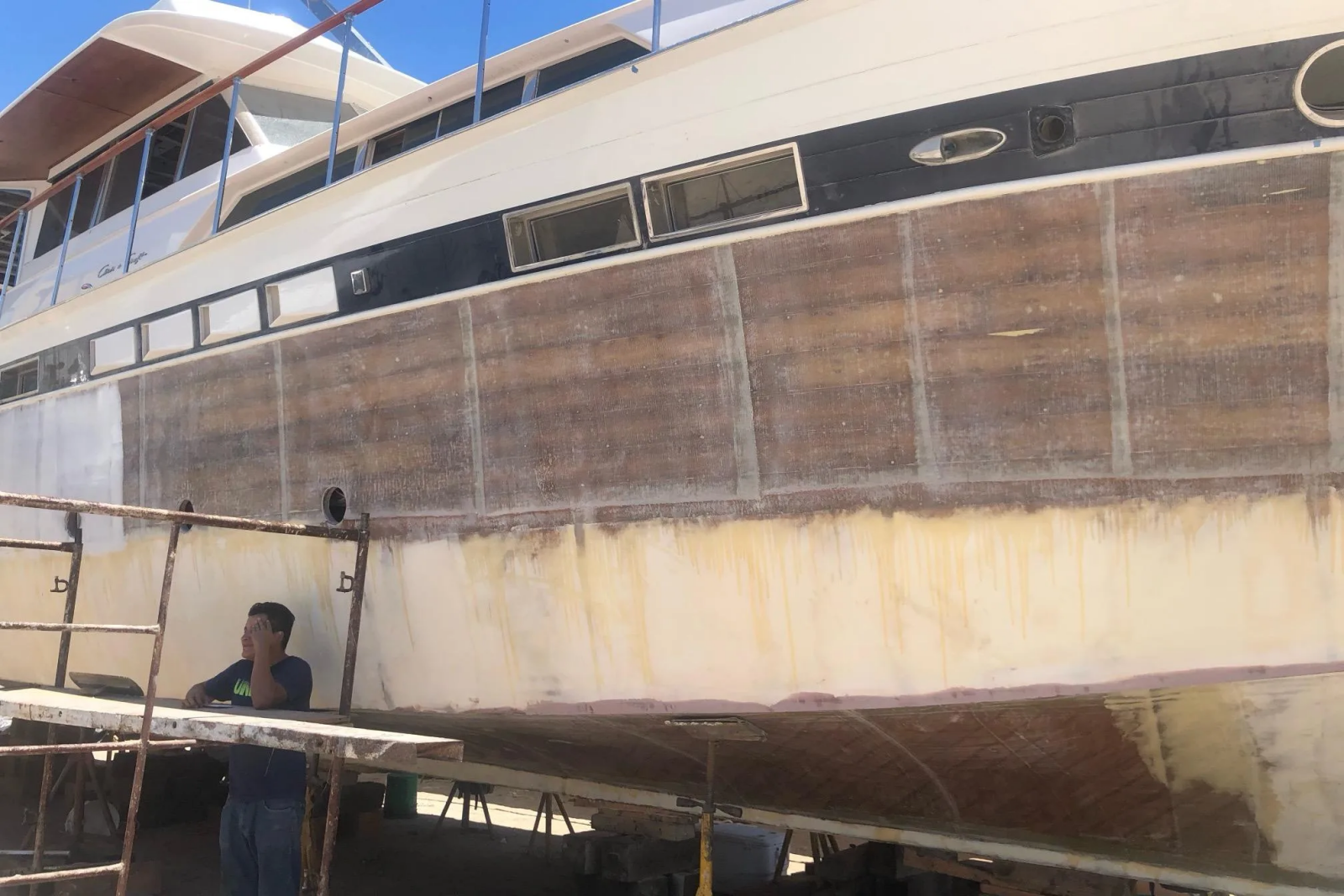
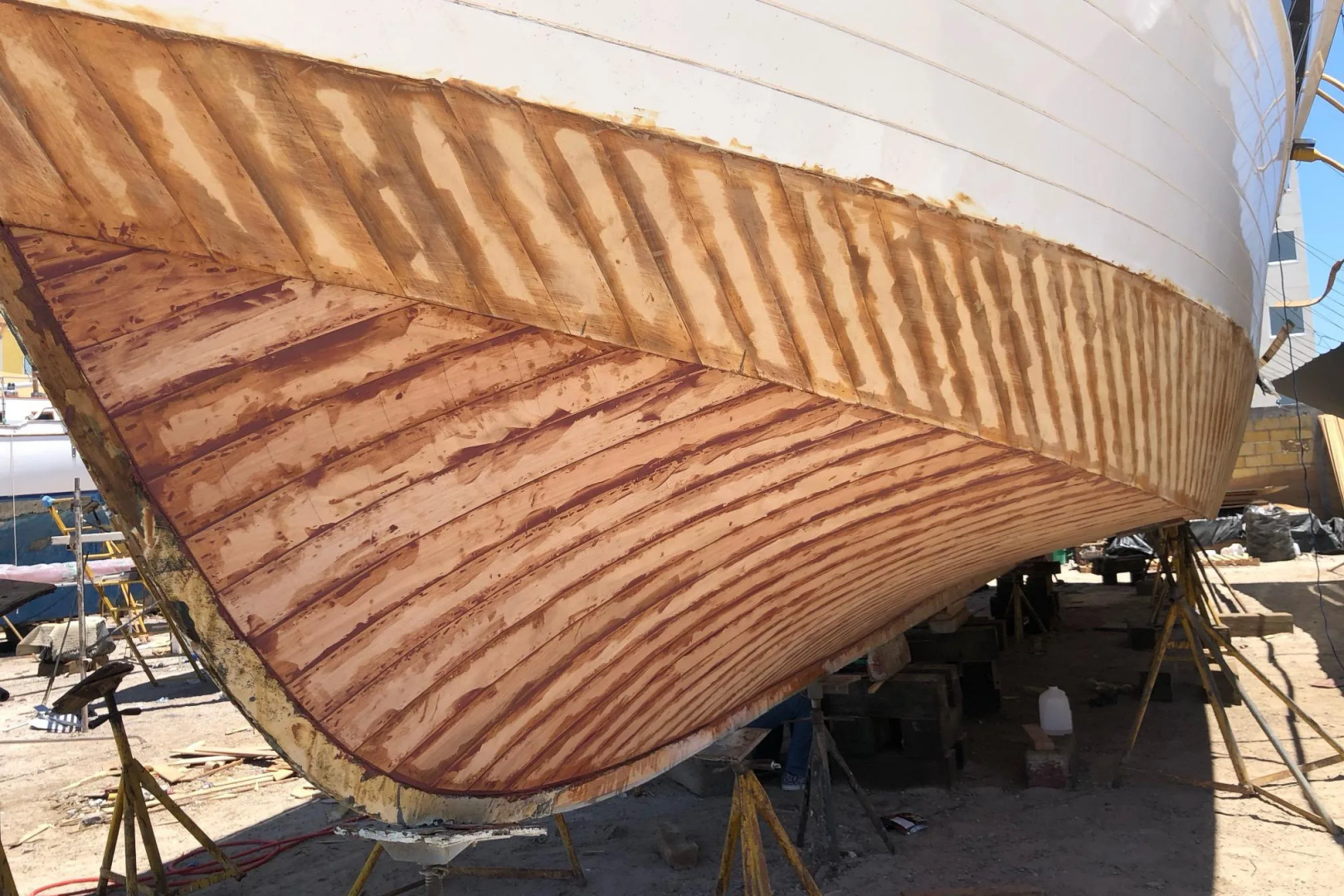
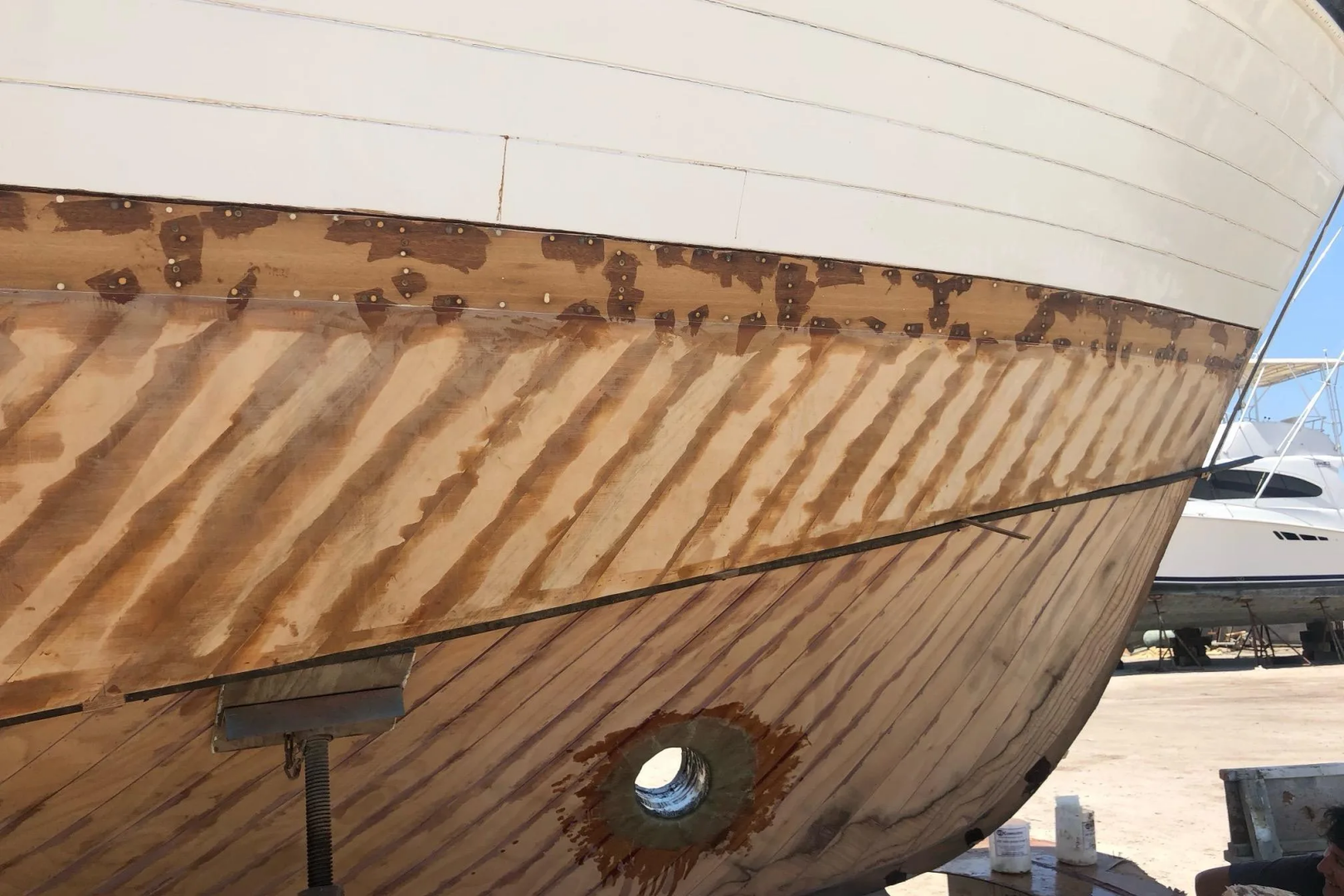
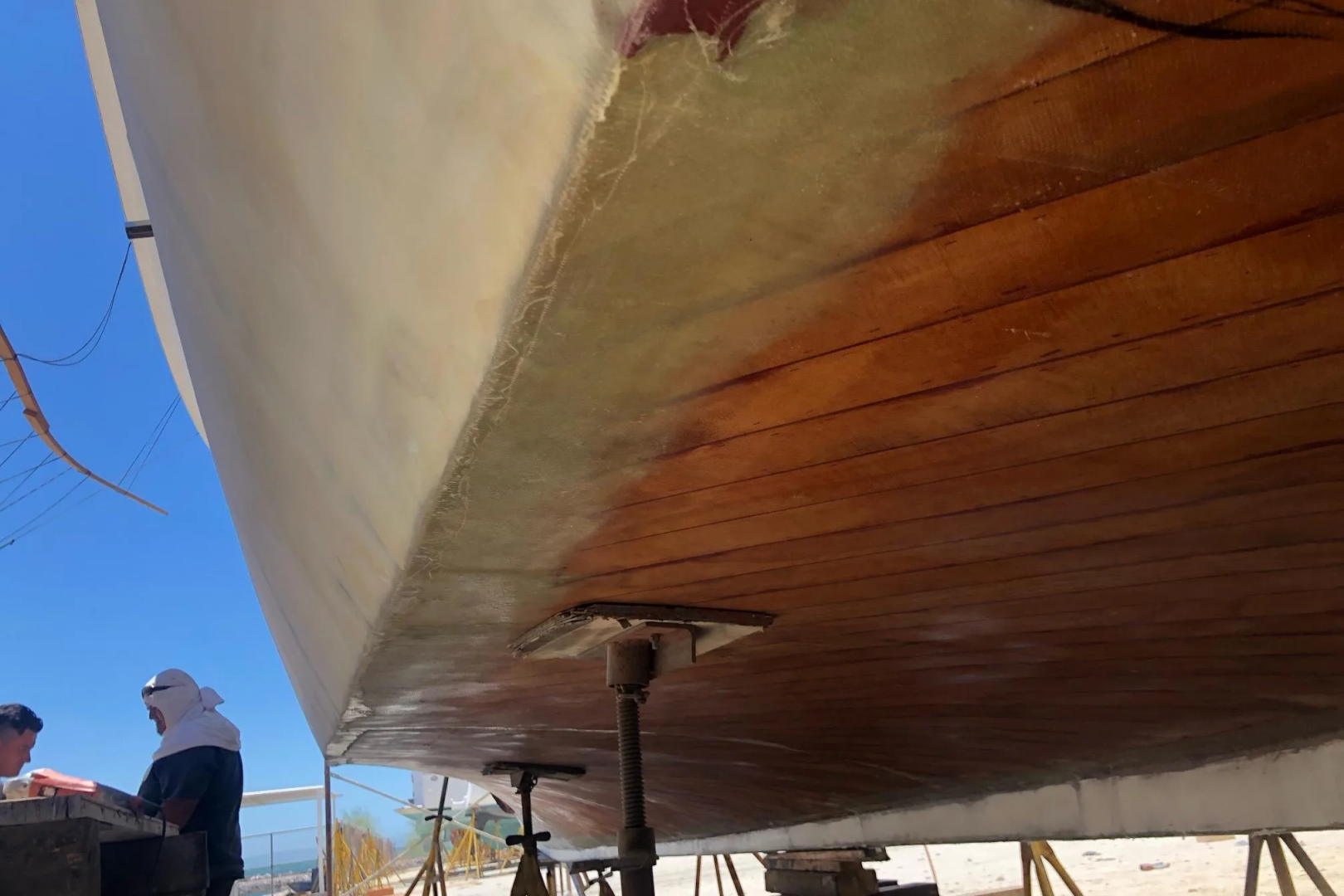
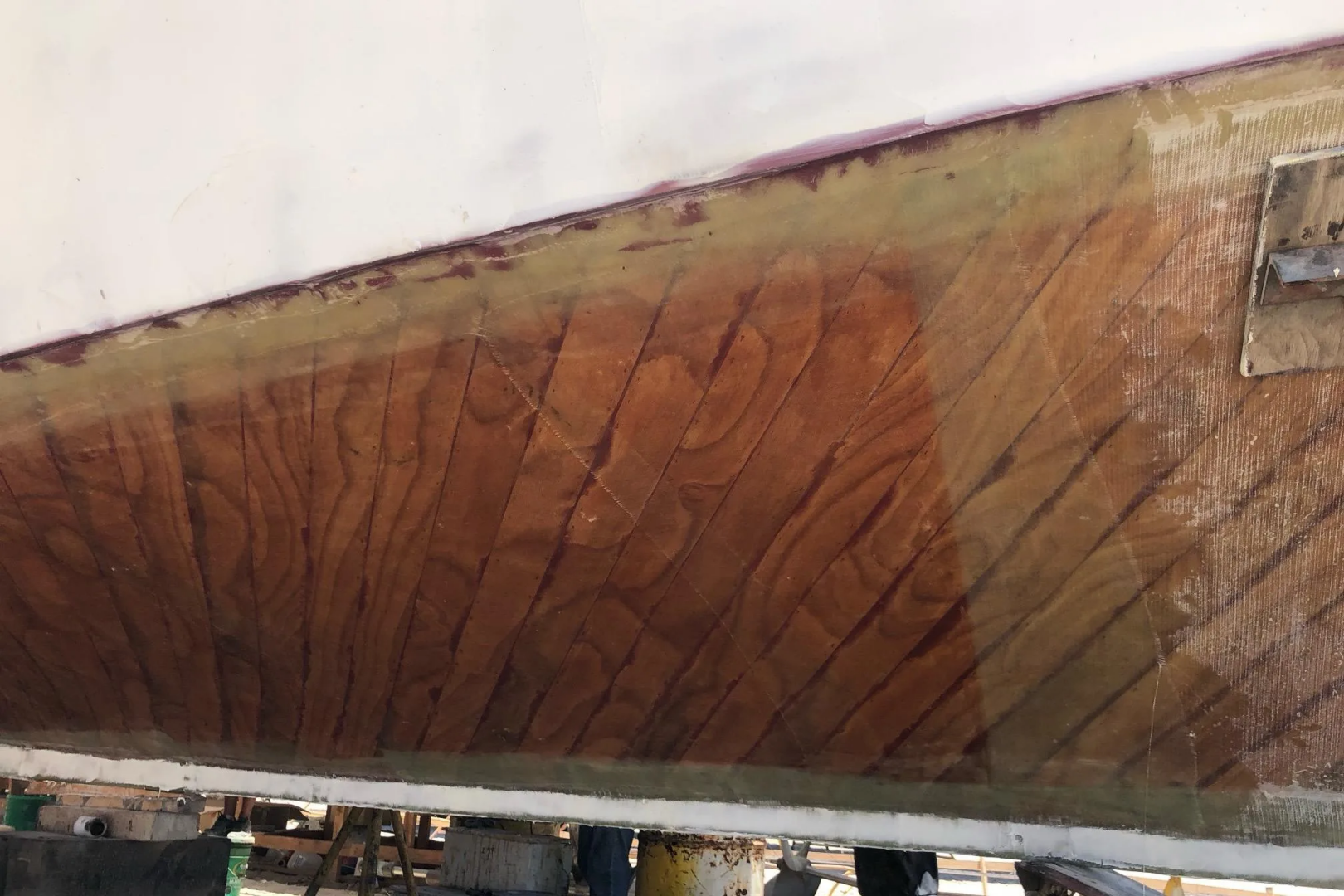
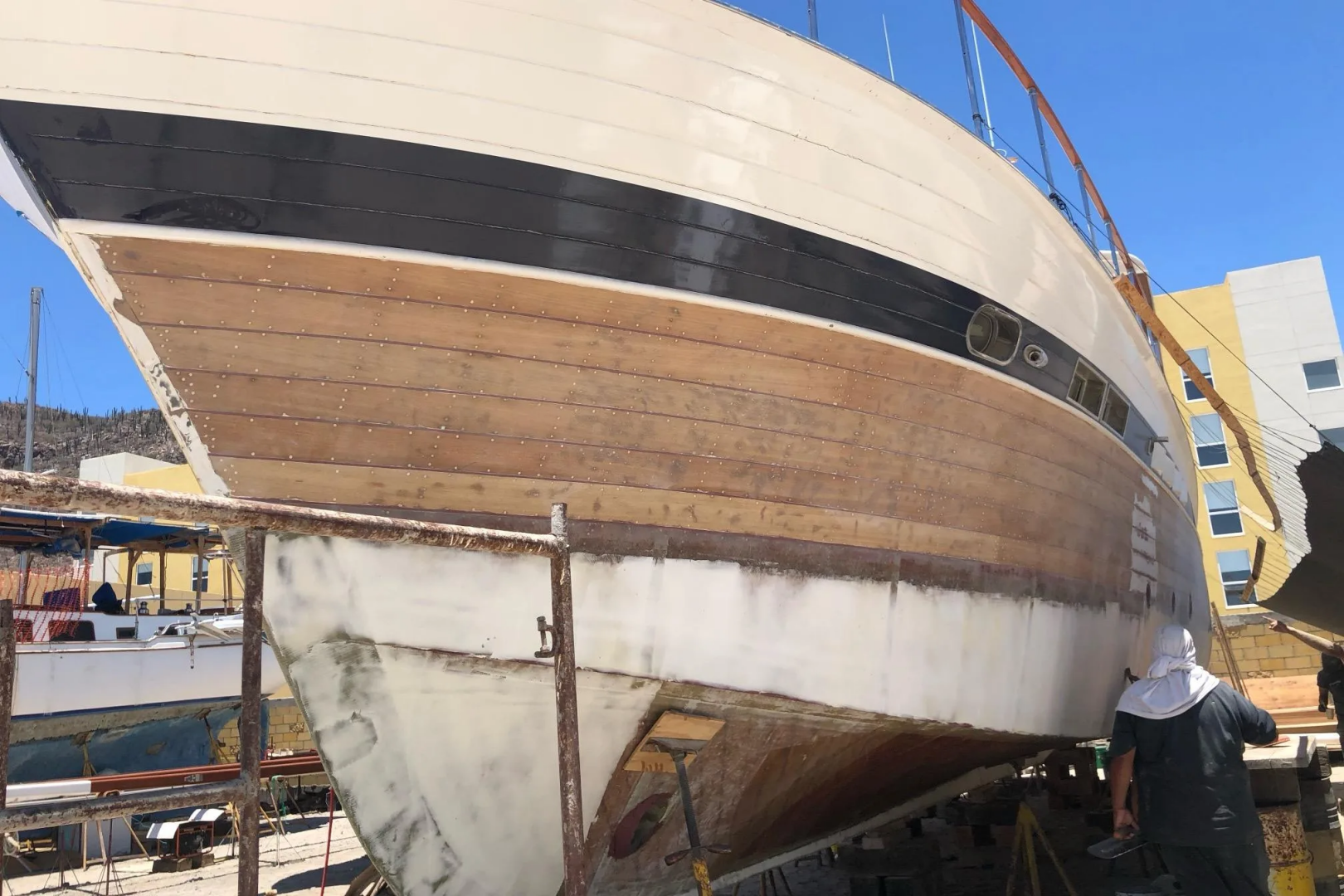
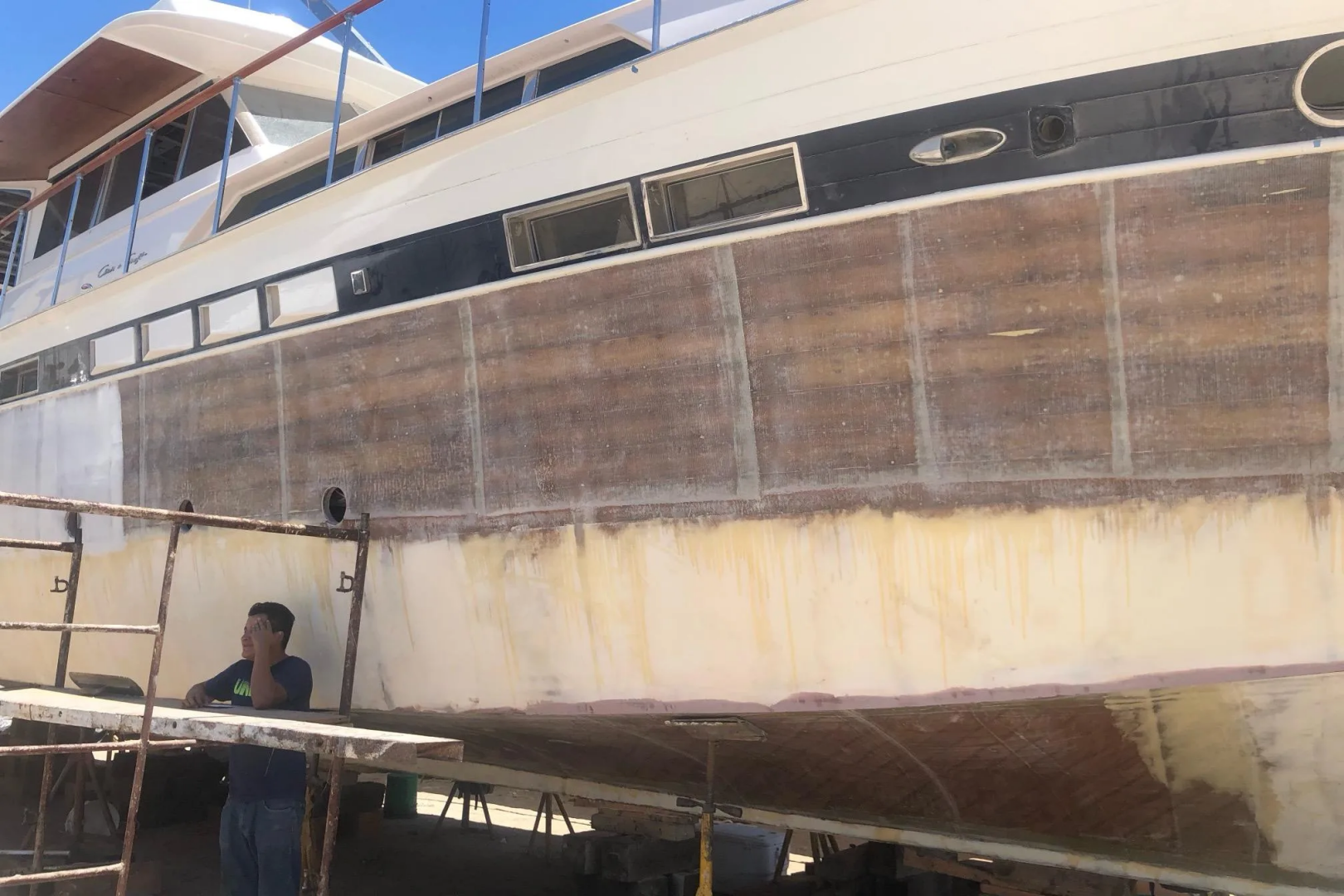
Phase 2: Completely new keel and all in cold molded mahogany plywood and fiberglass, topside planking refreshed and fiberglassed for strength and stability
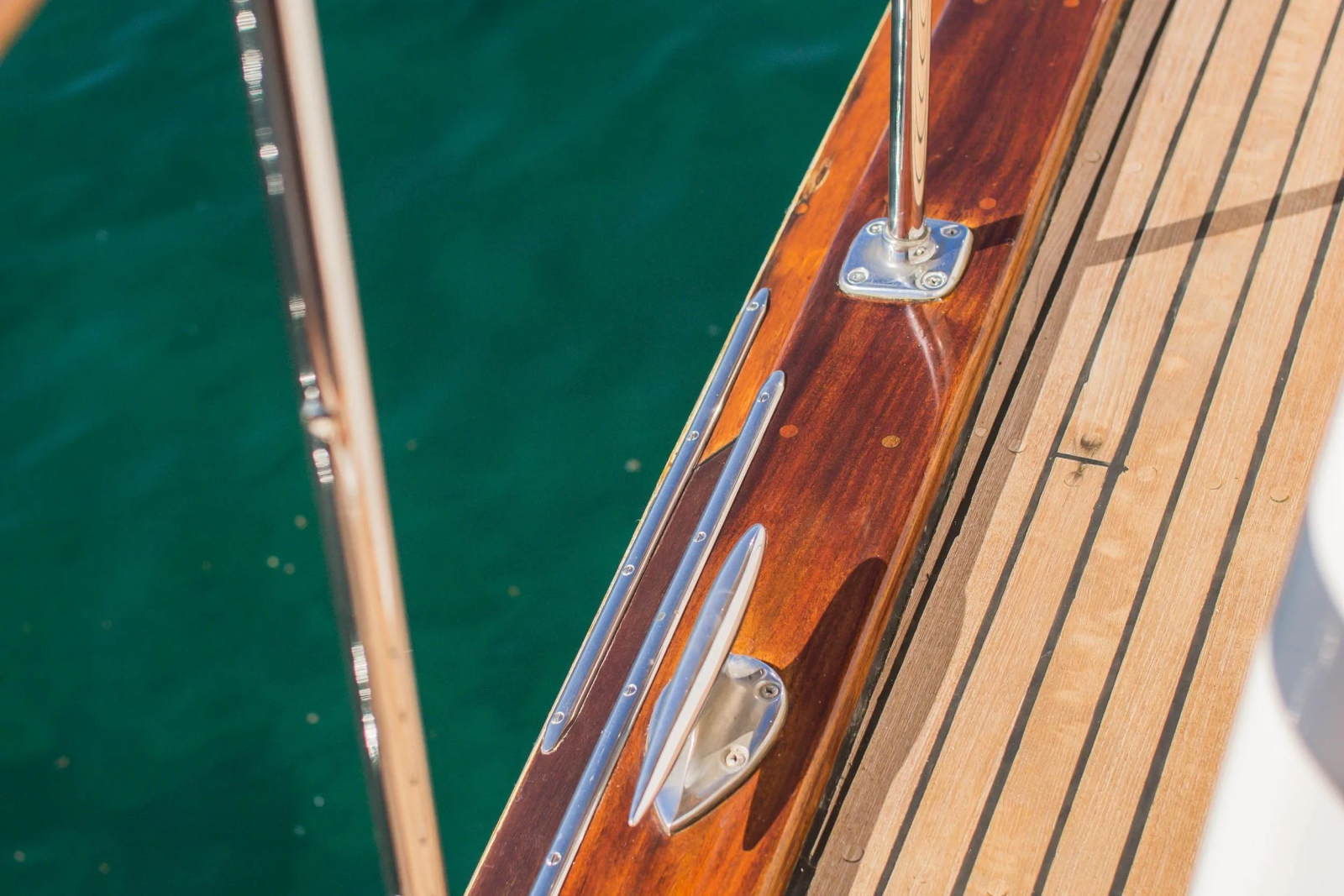
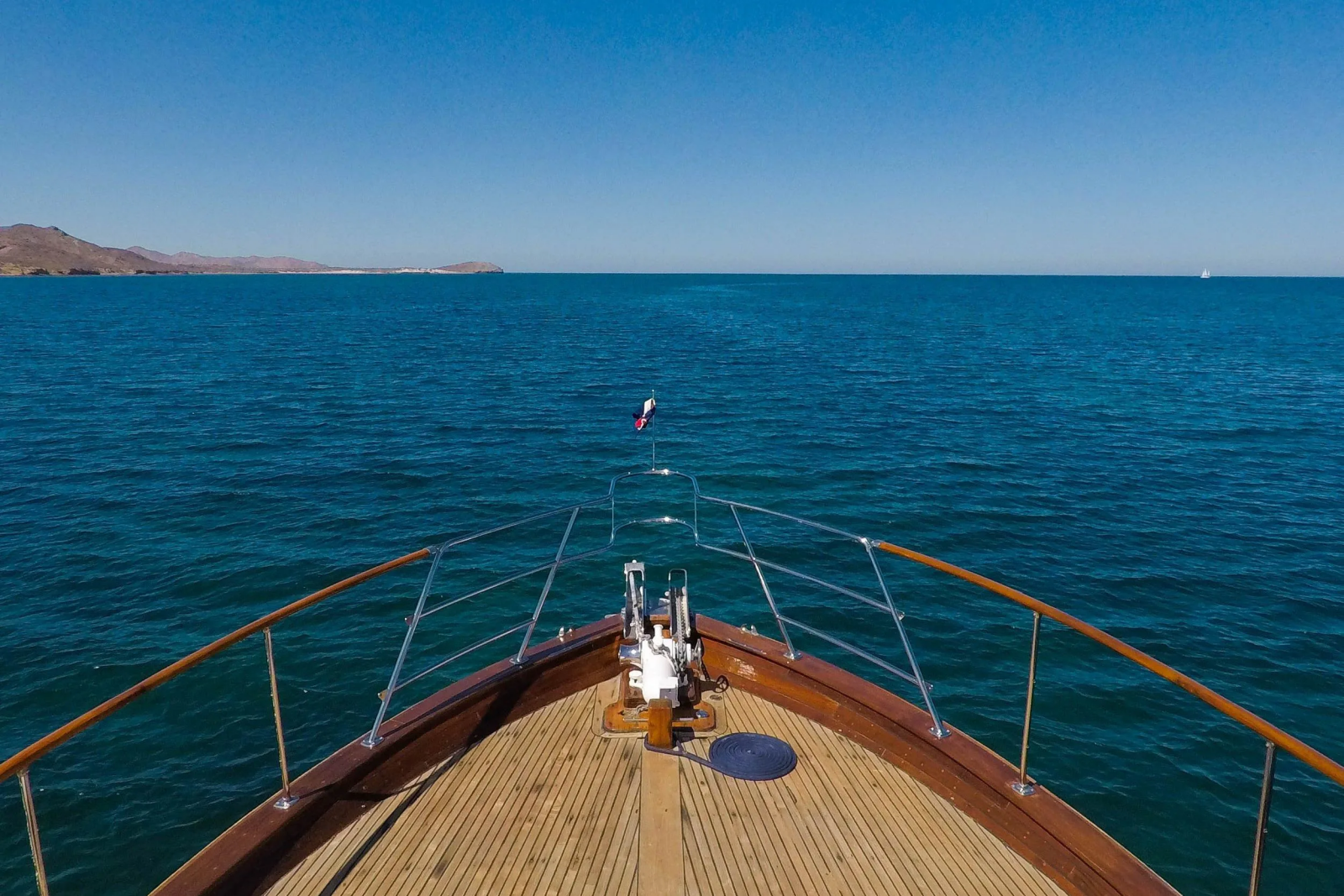
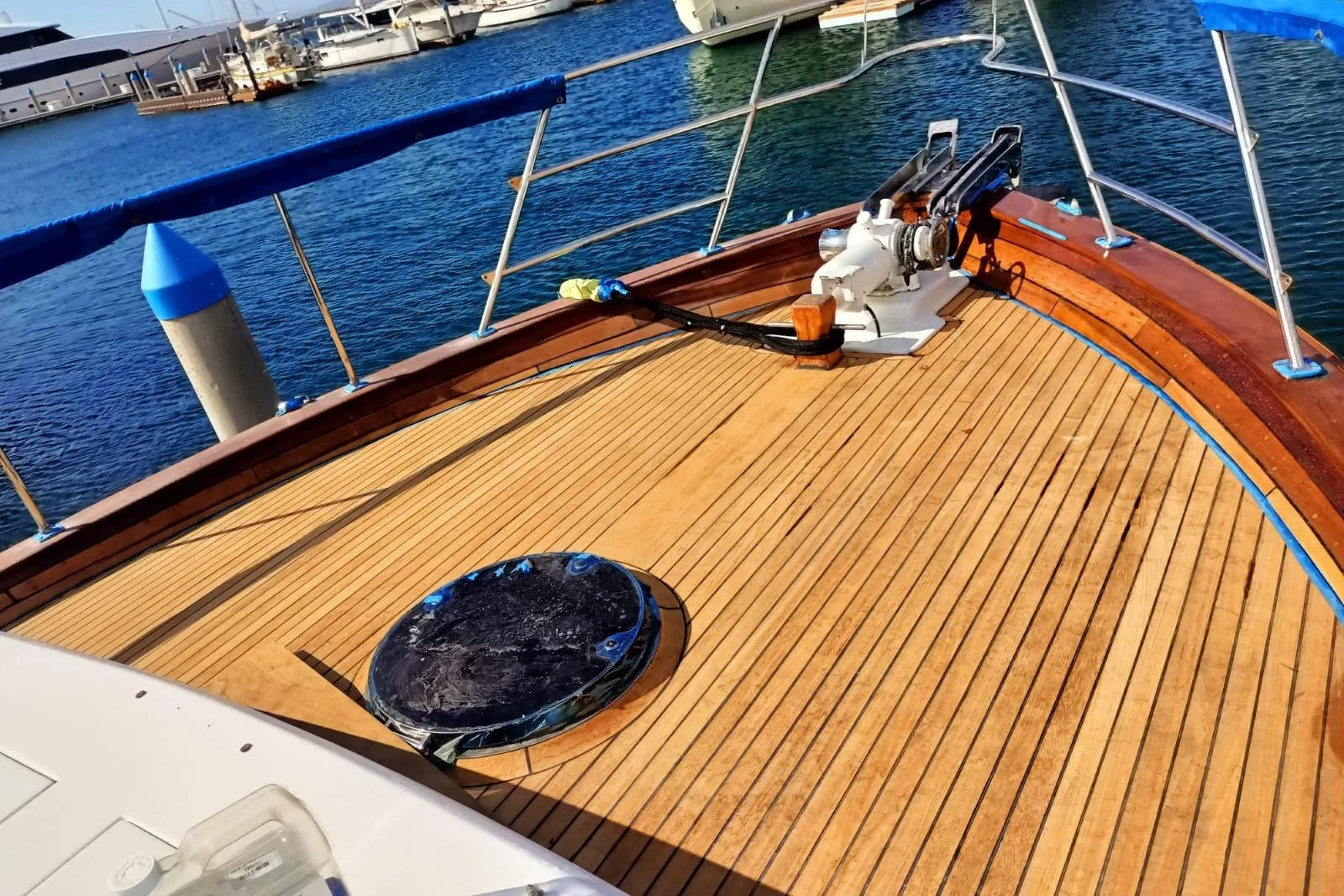
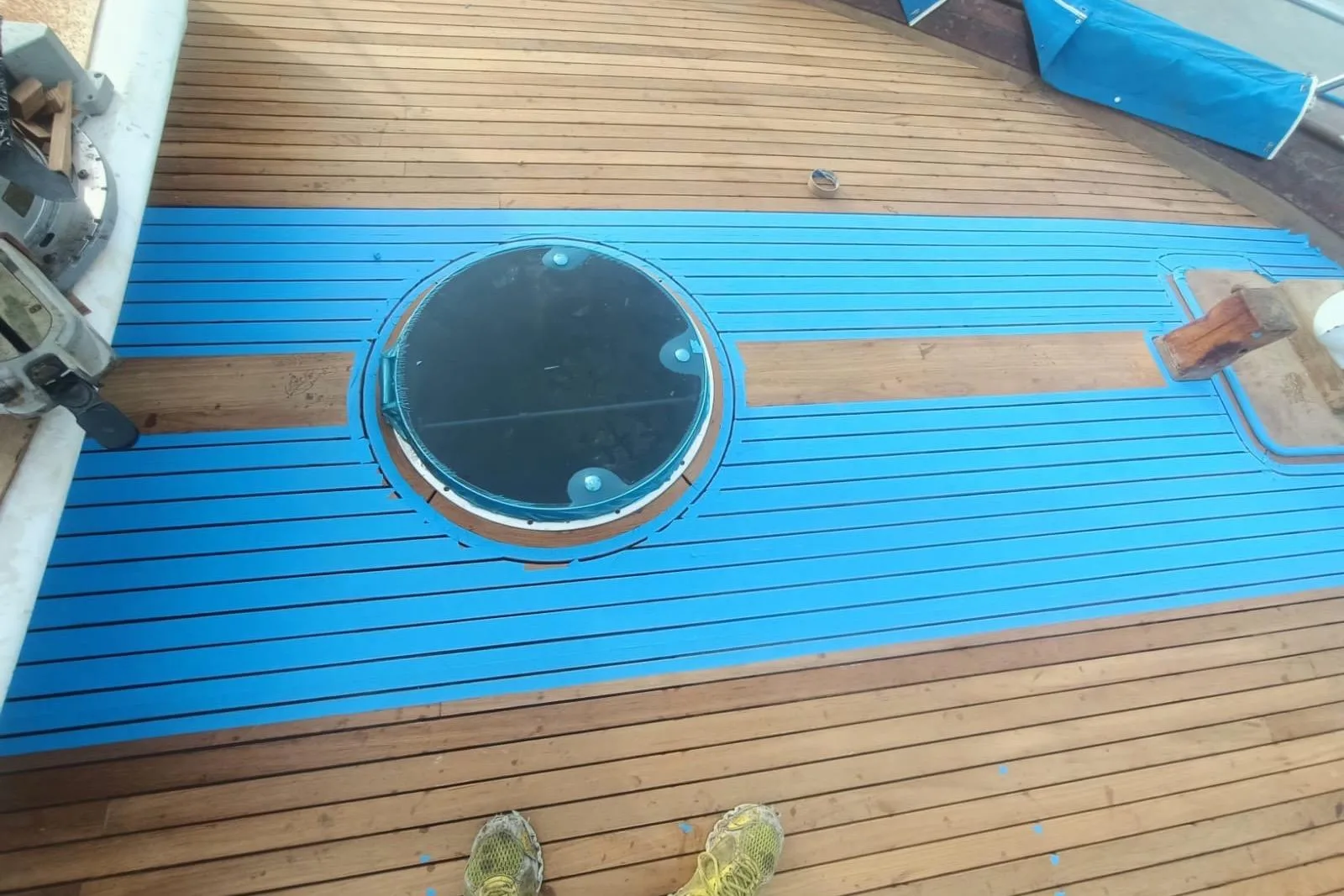
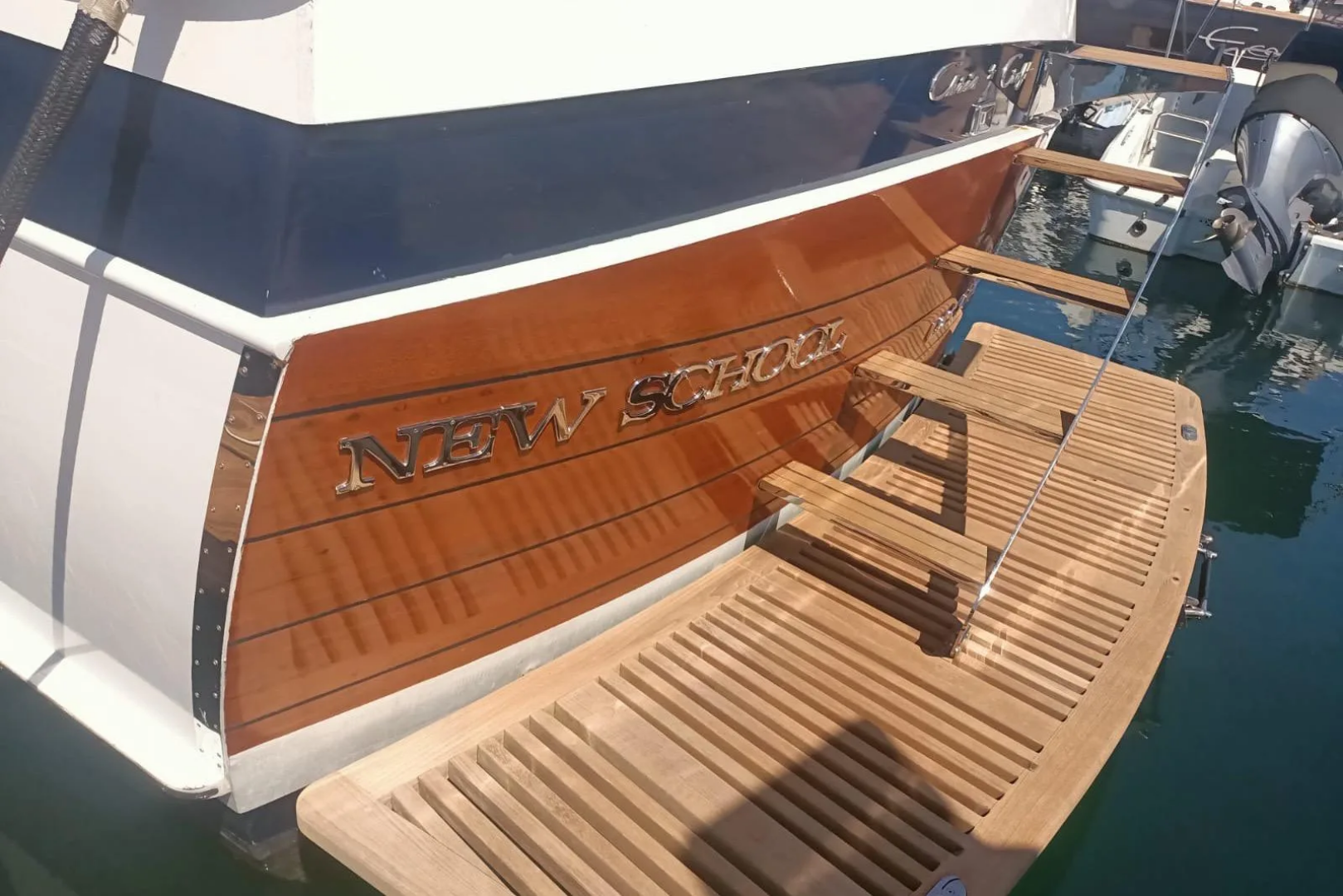
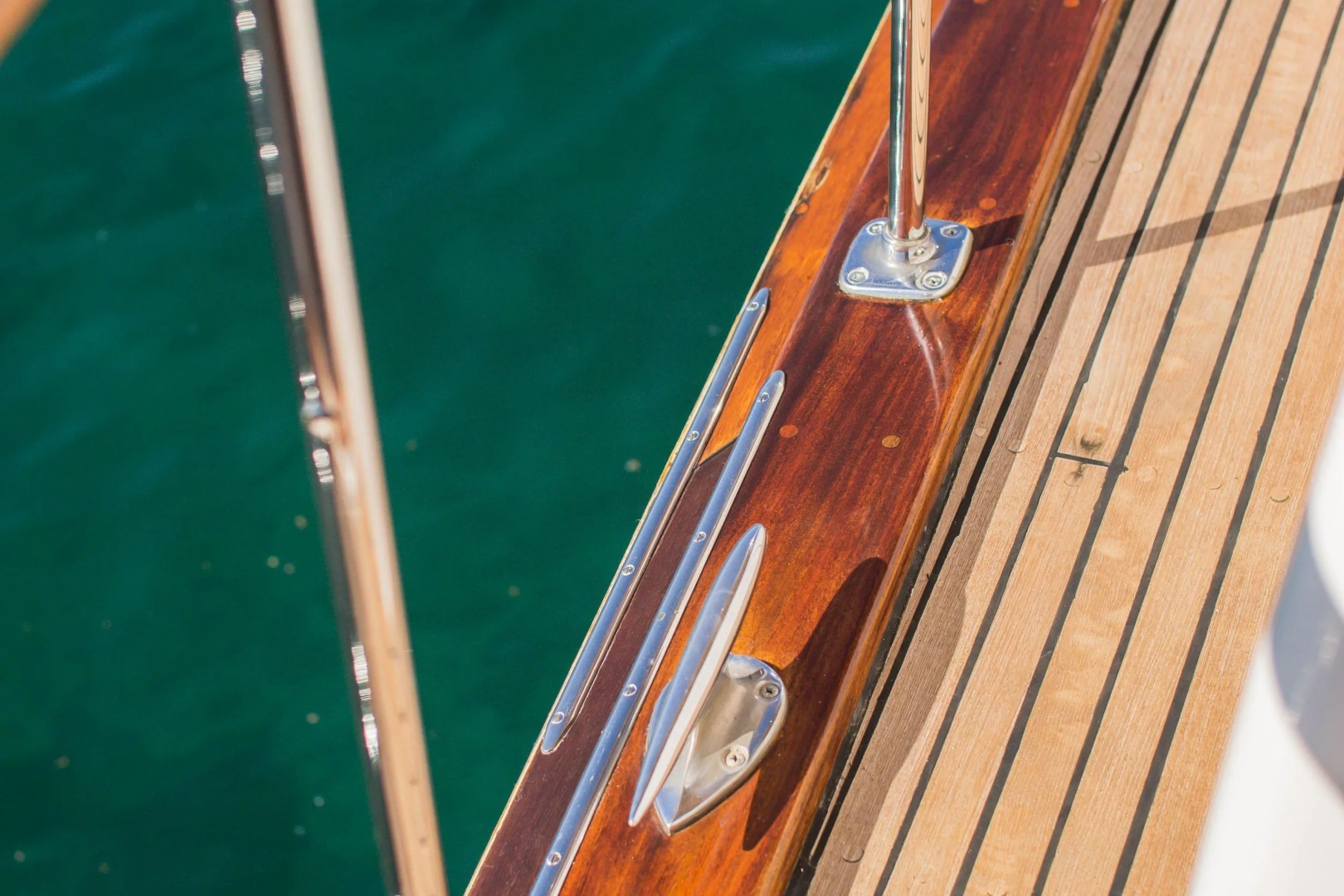
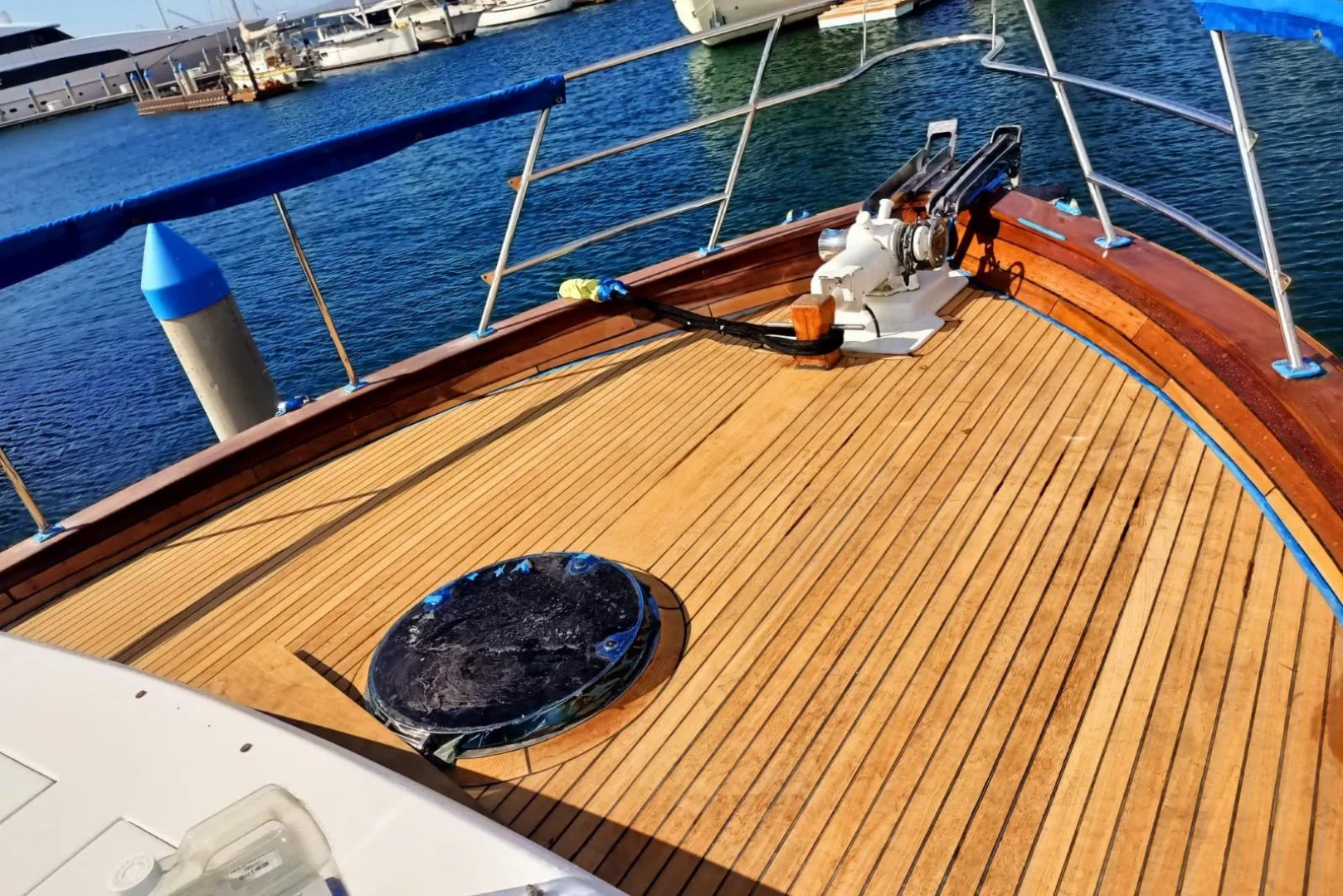
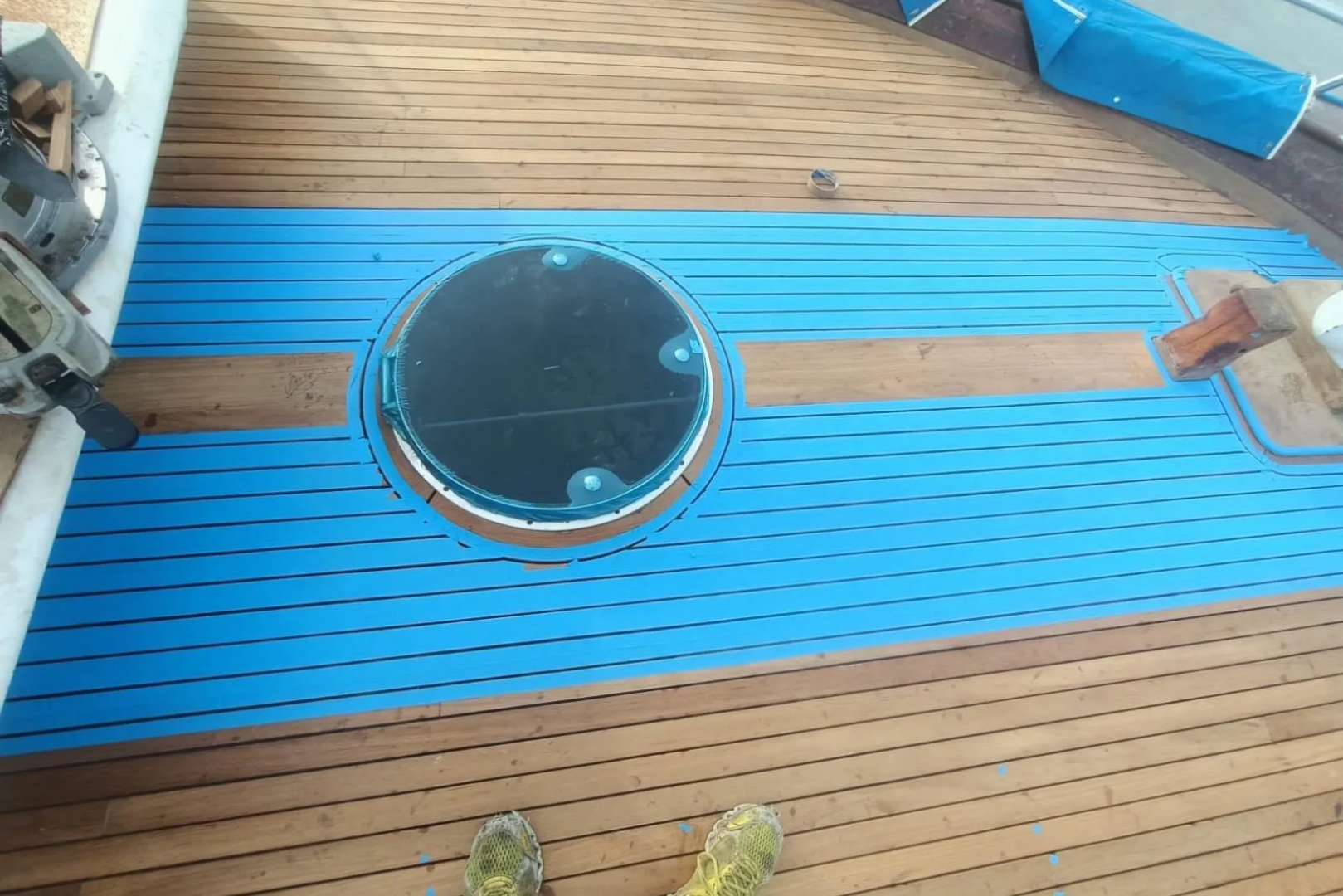
Phase 3: Original decking removed and new marine plywood, fiberglass, and teak top decking surface installed
Exterior Updates
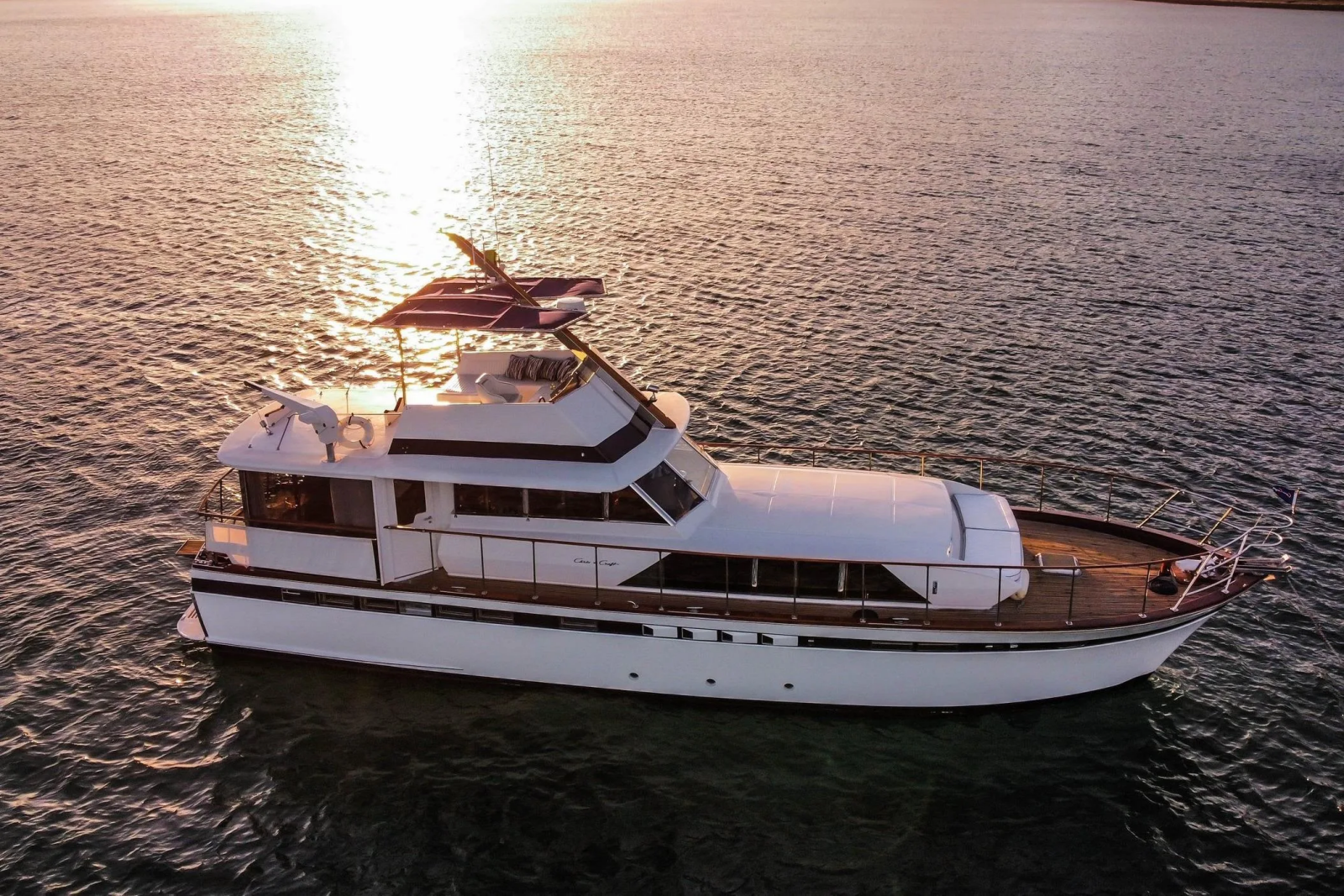
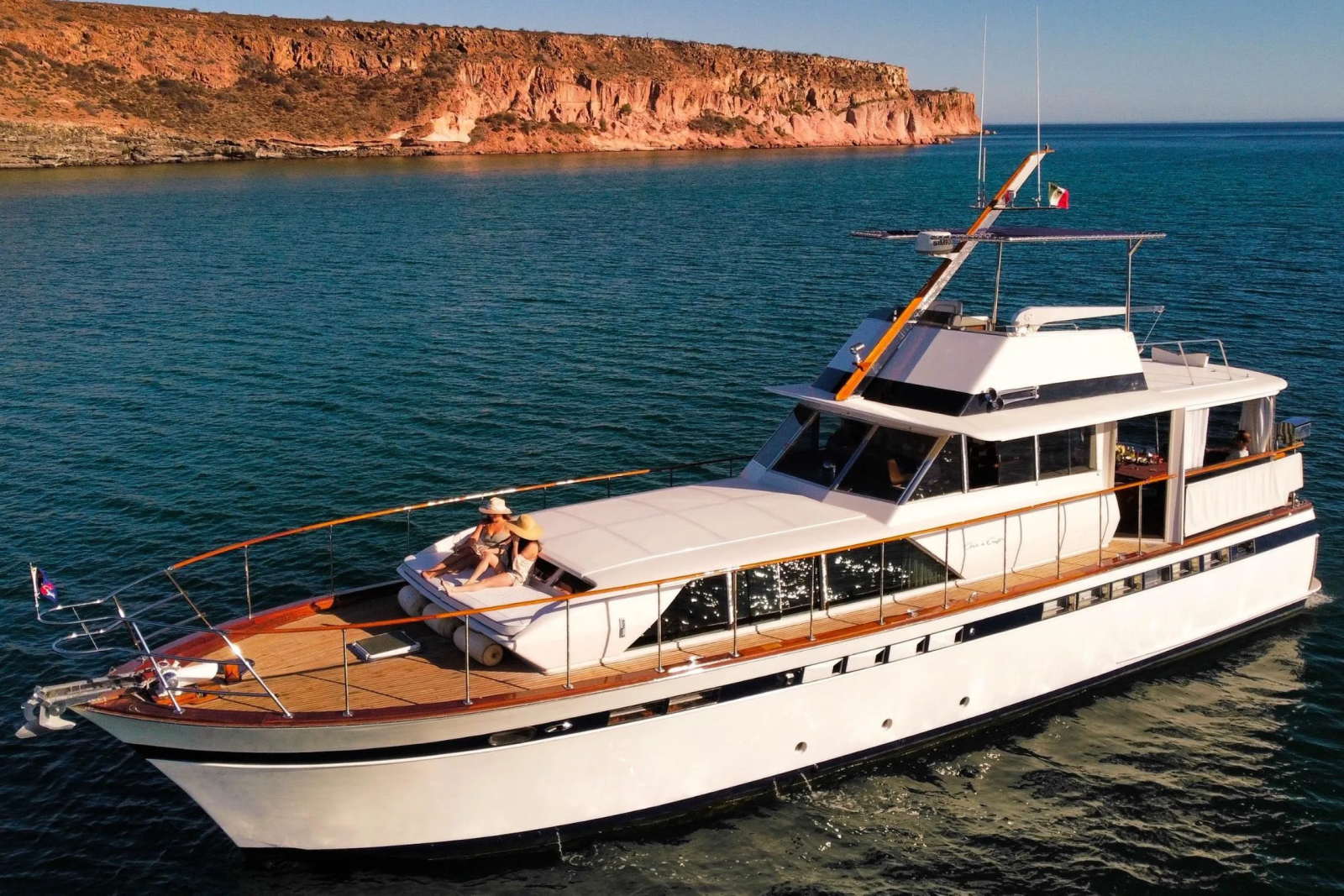
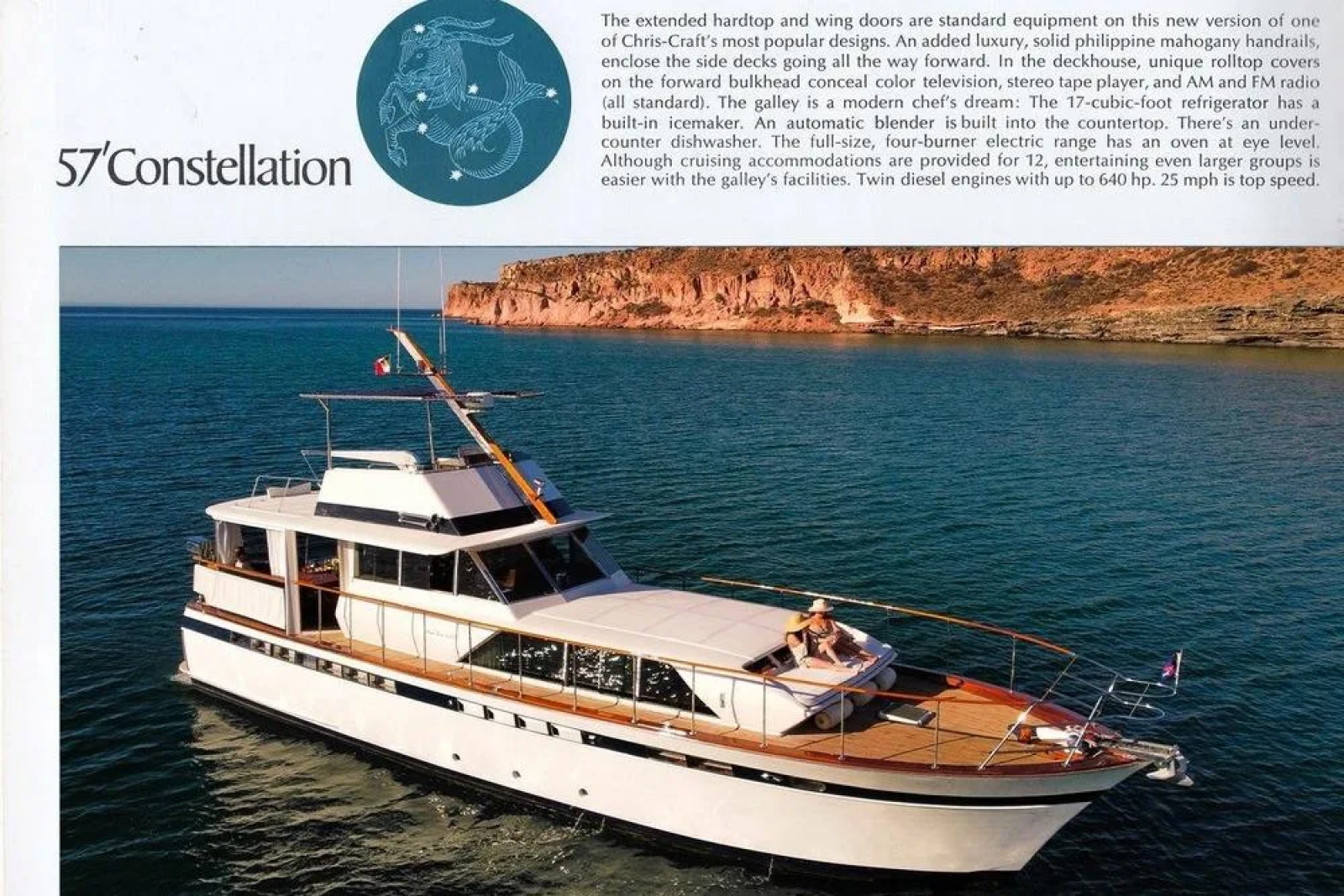
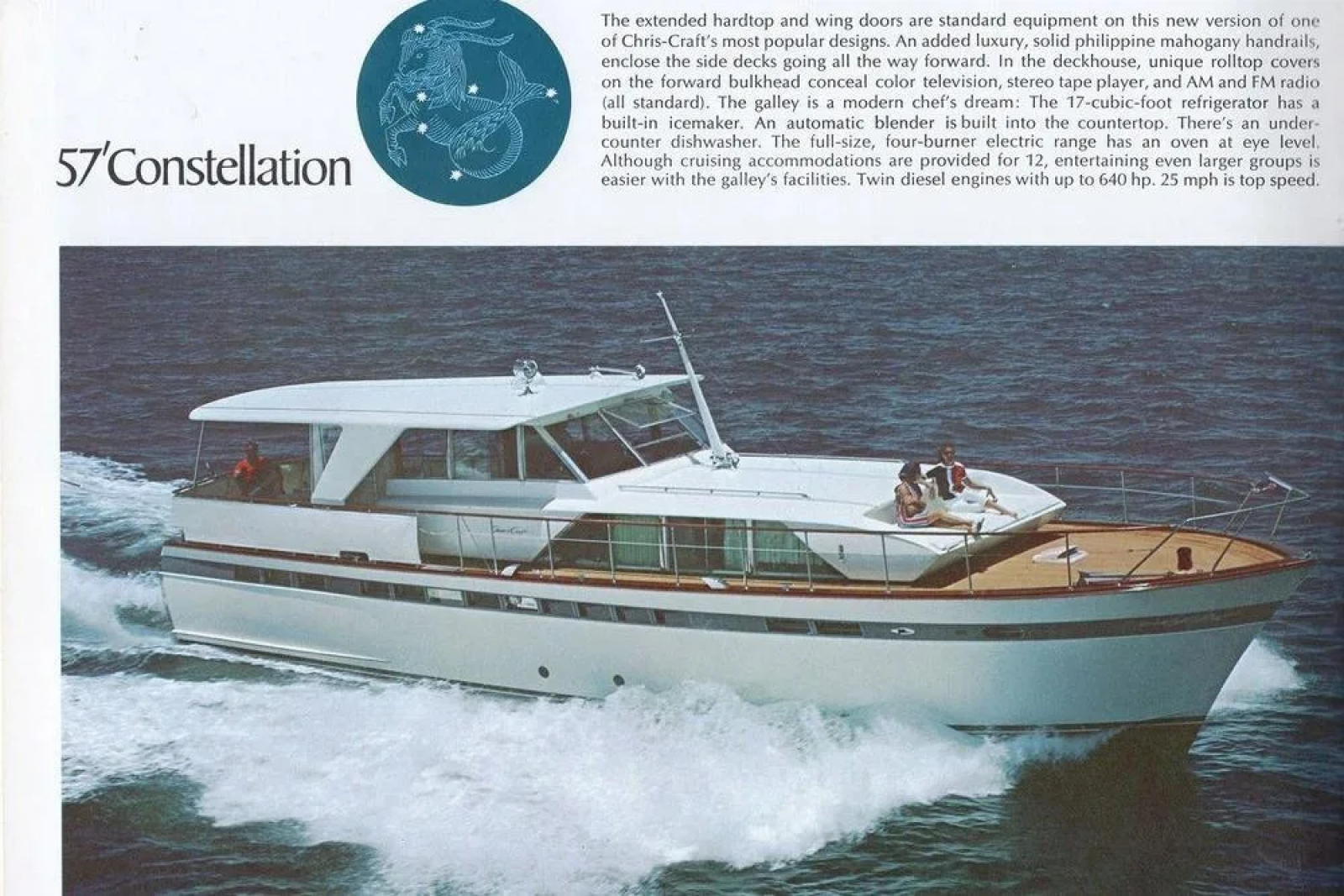
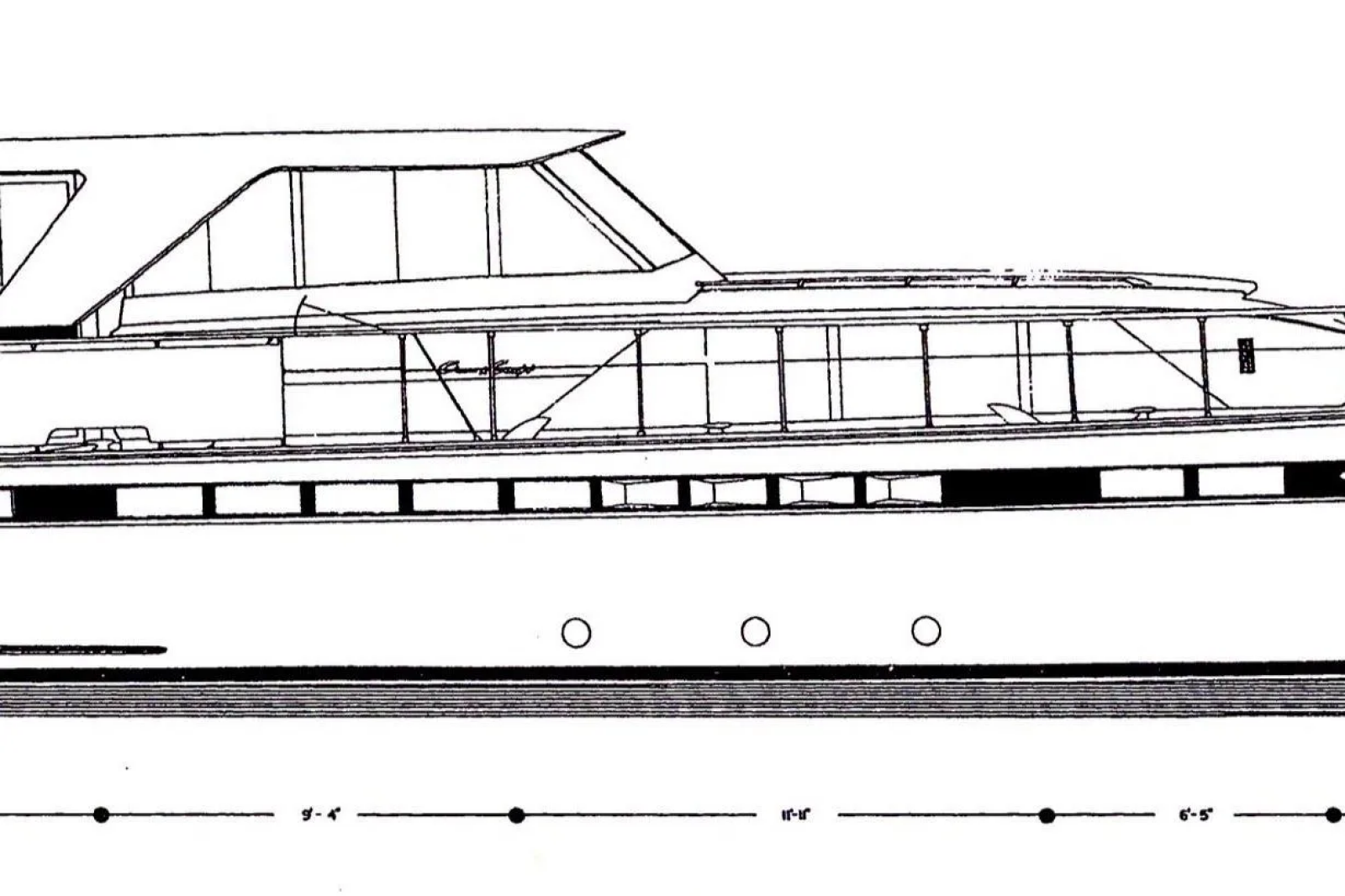
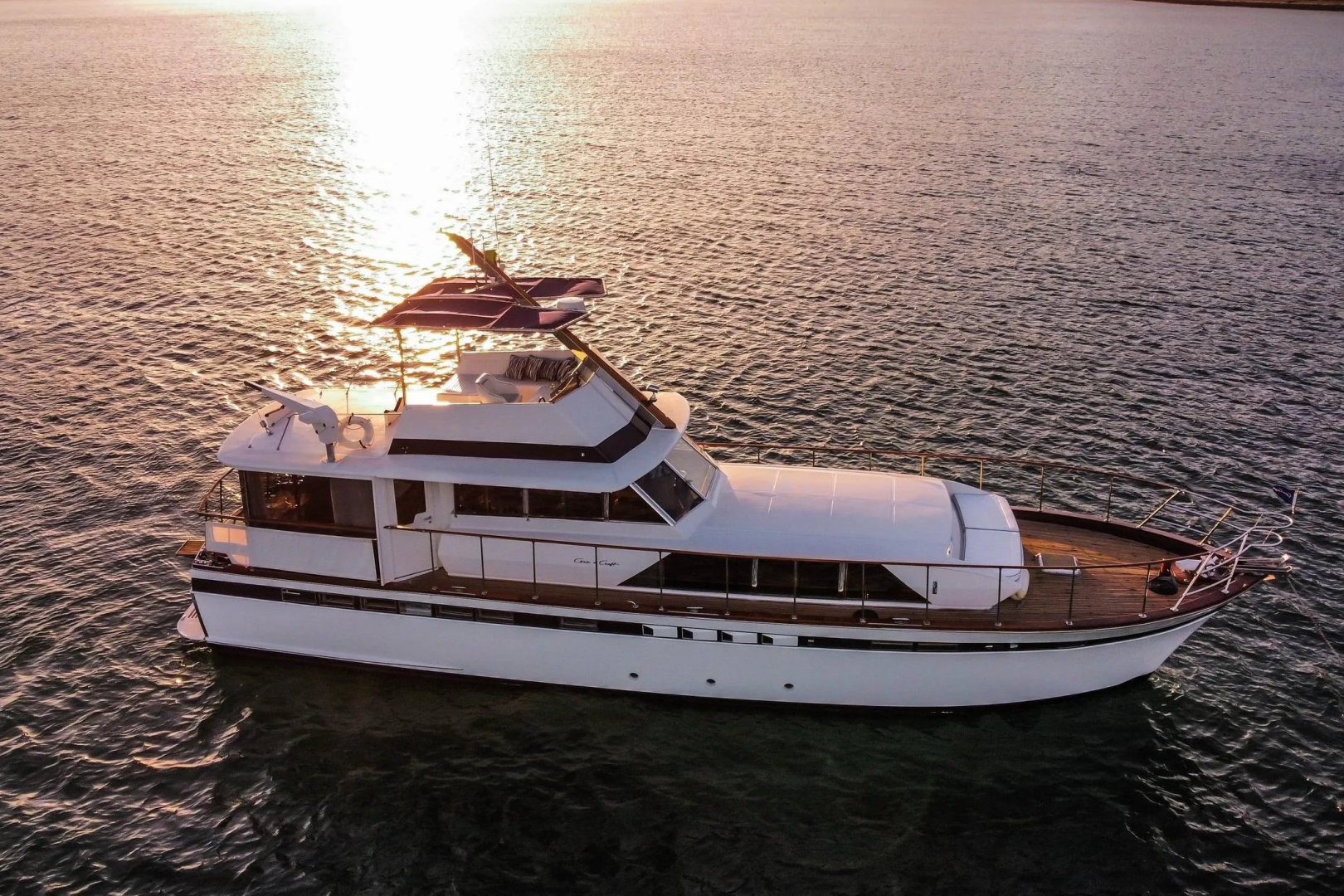
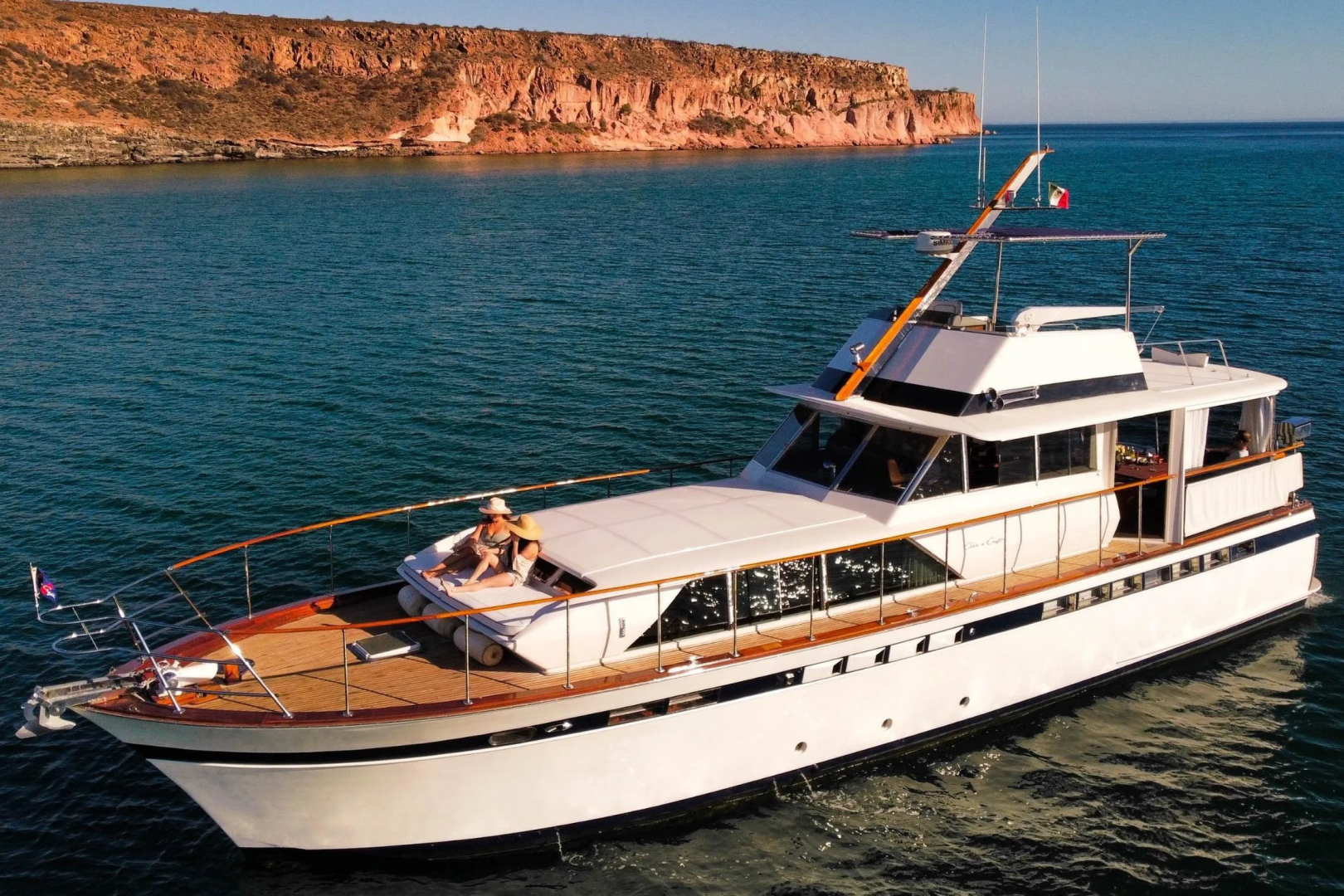
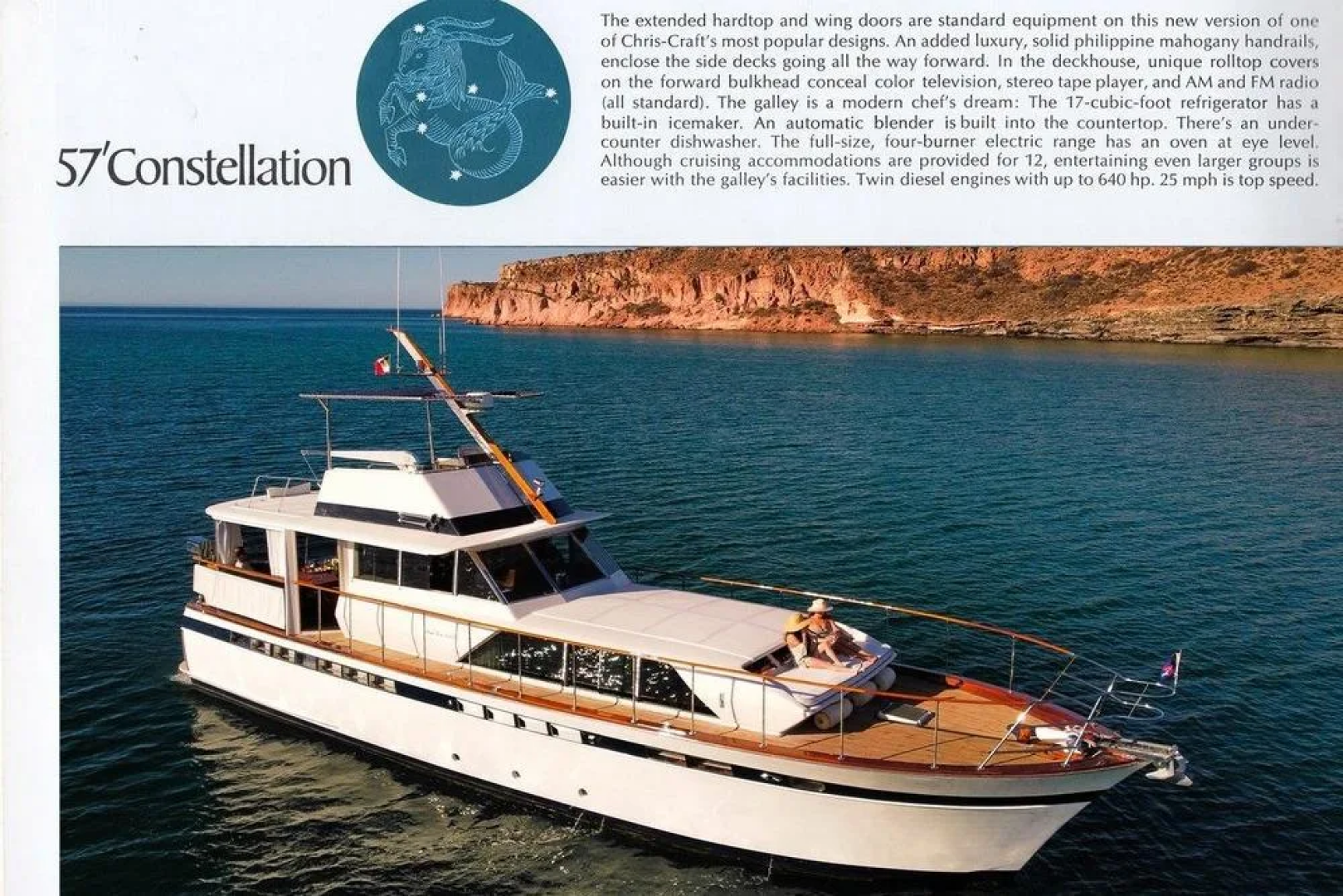
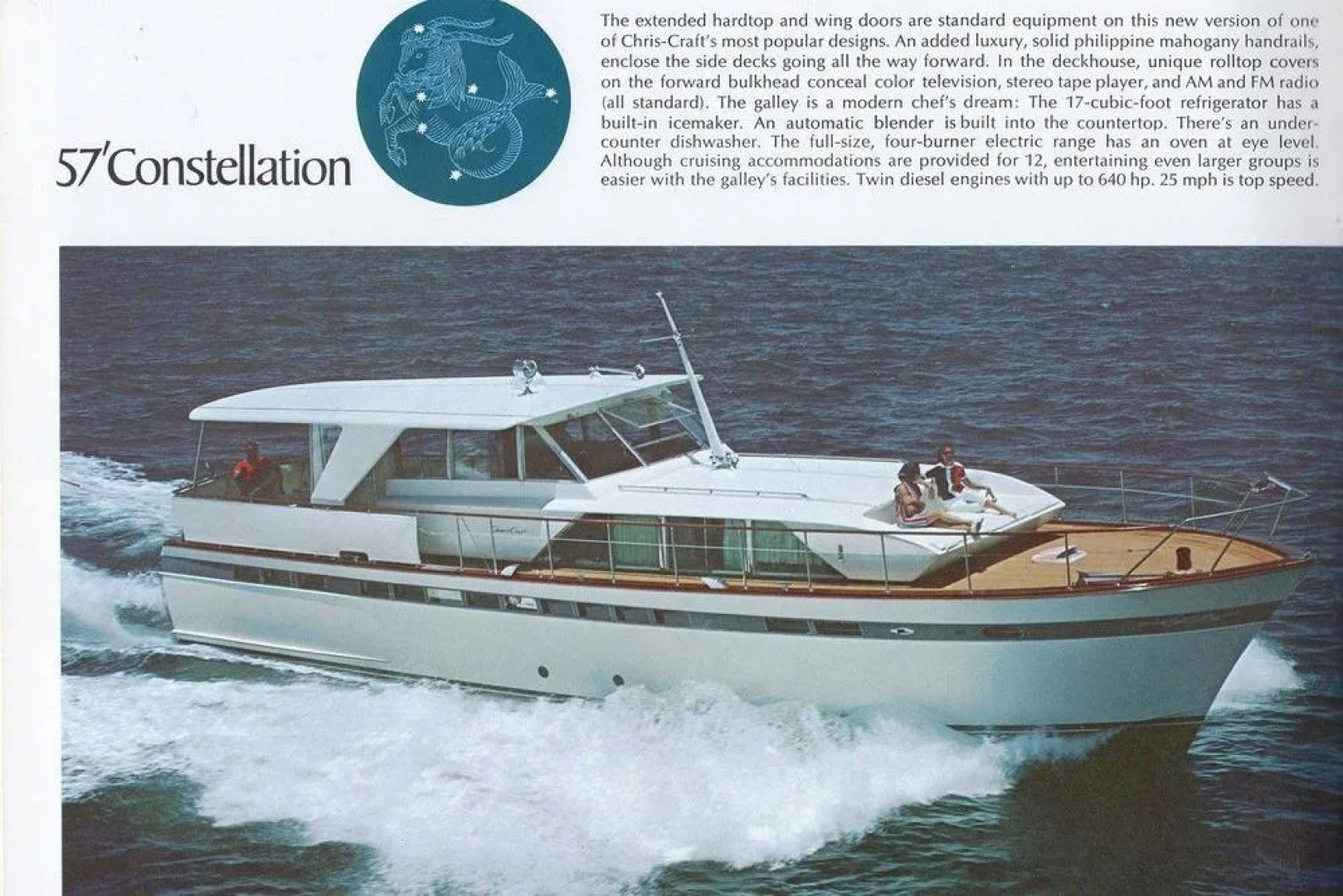
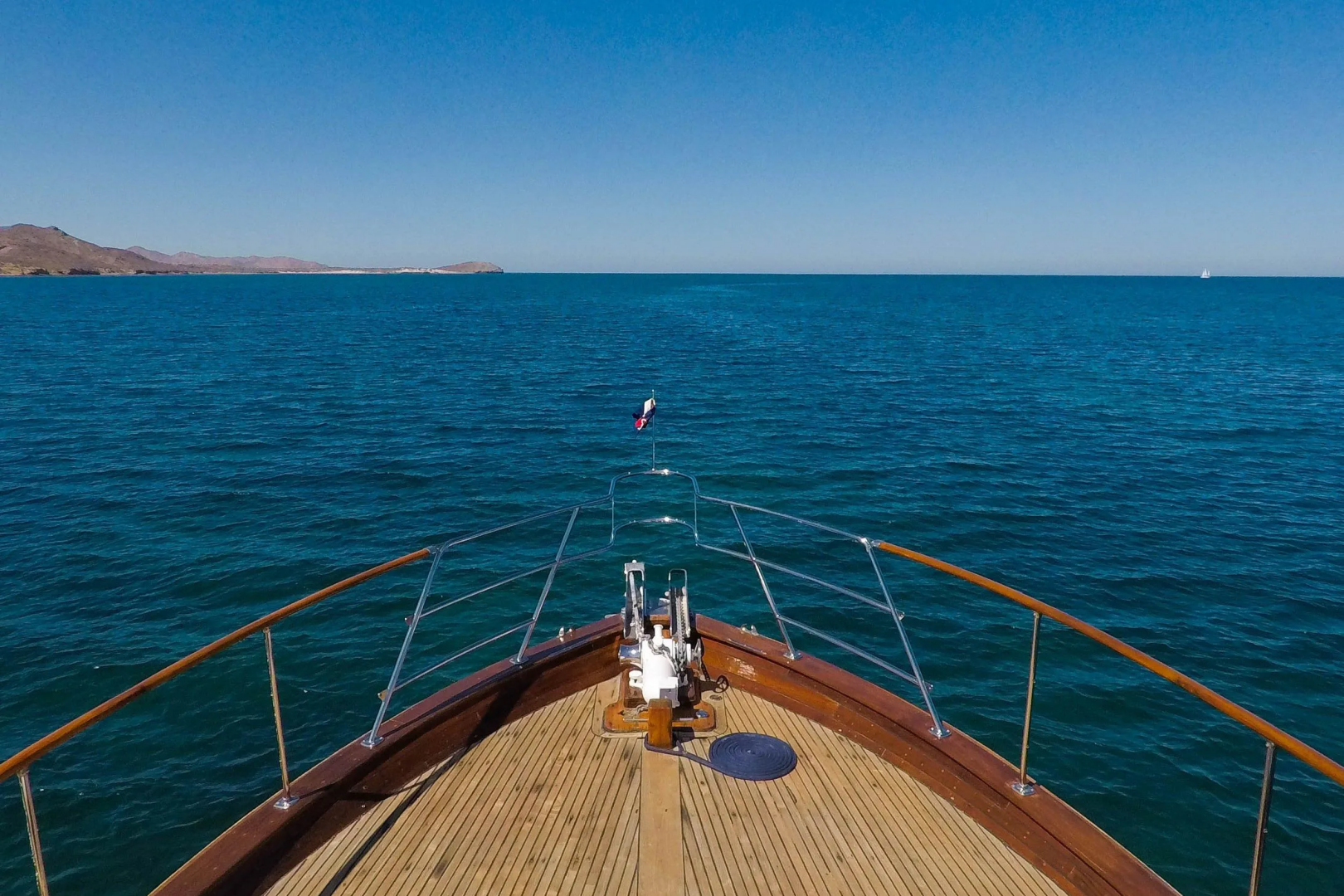
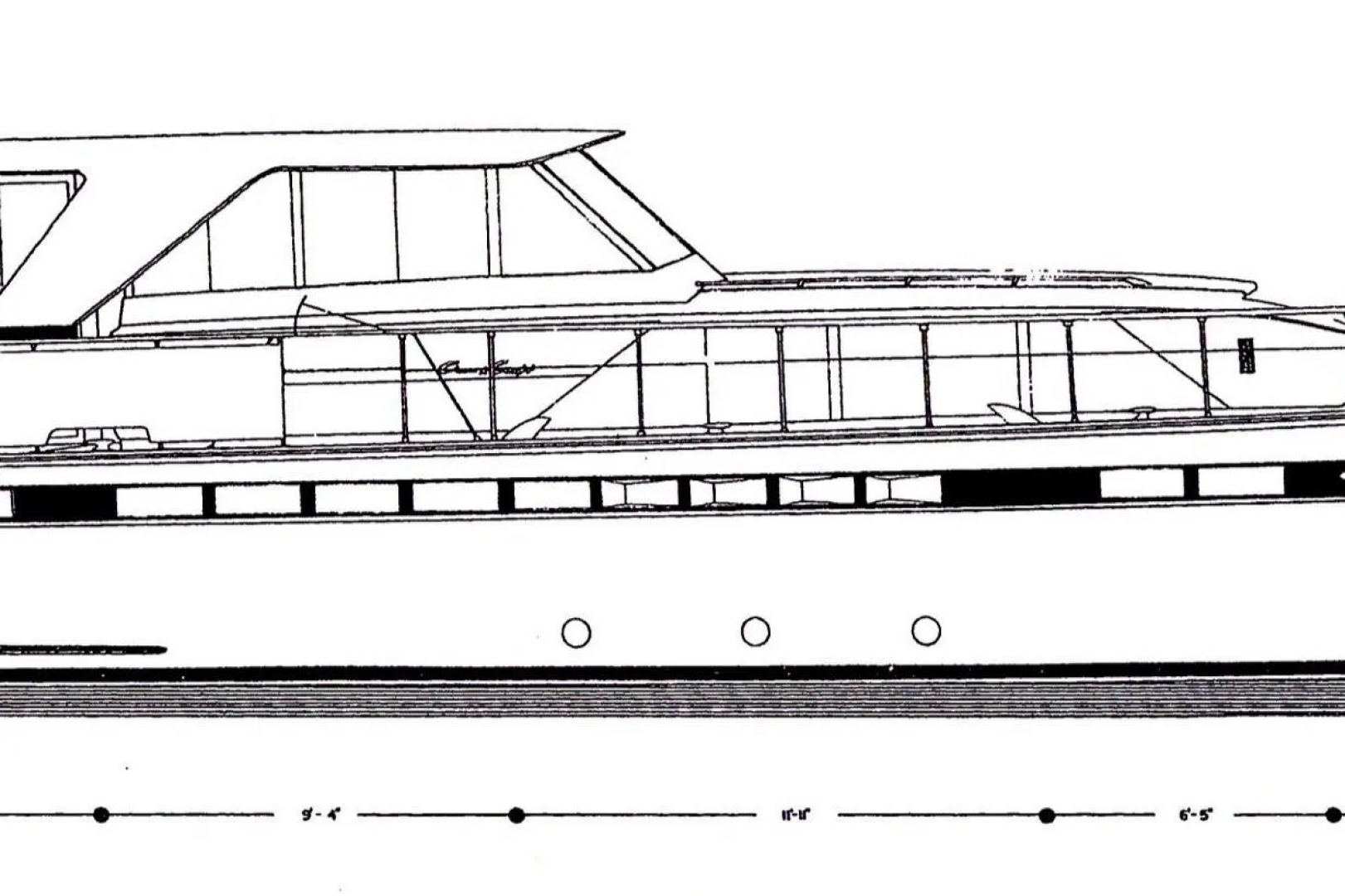
The exterior modernization was focused on restoring as much of the original design as possible, while making significant improvements to the useability and comfort of those aboard:
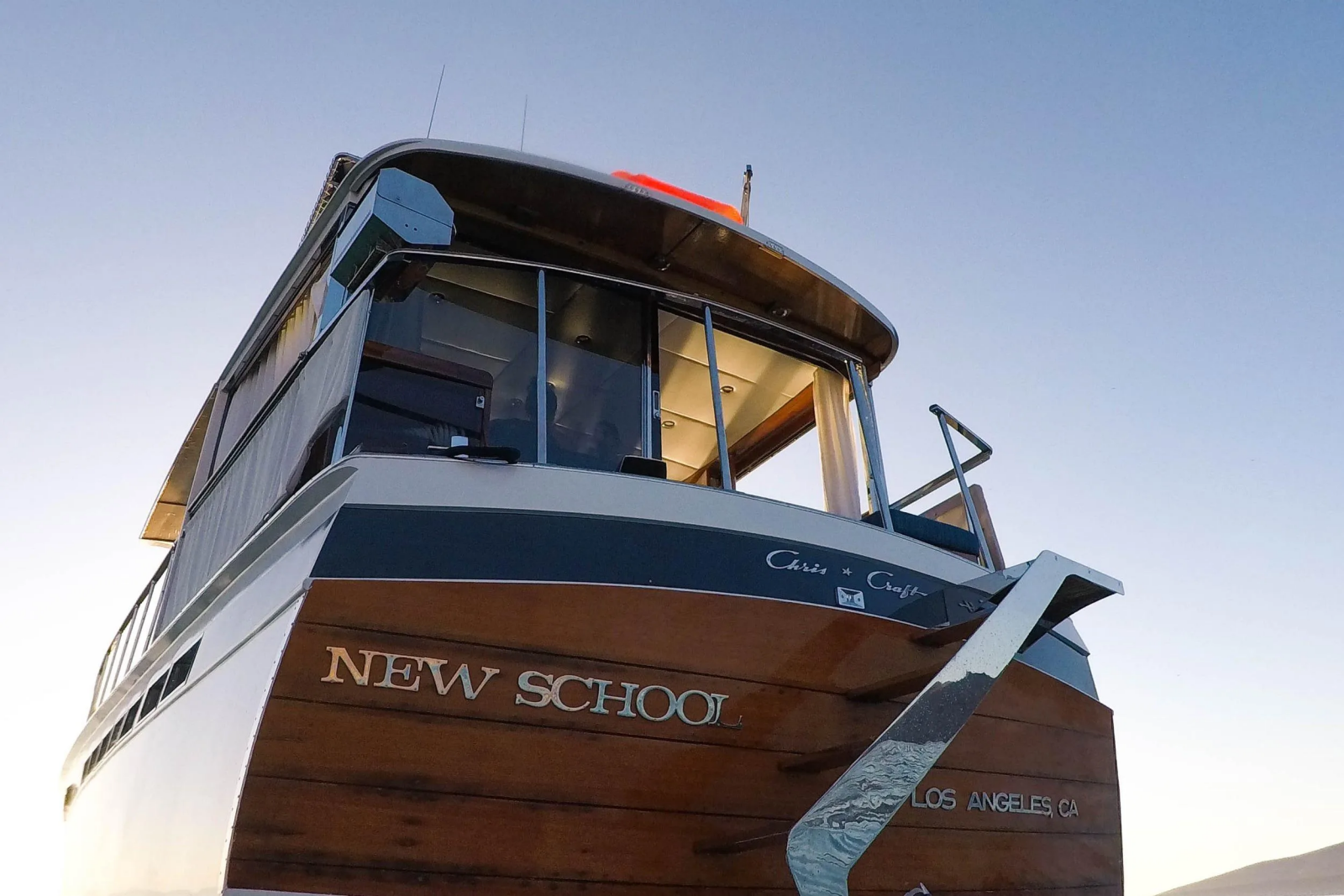
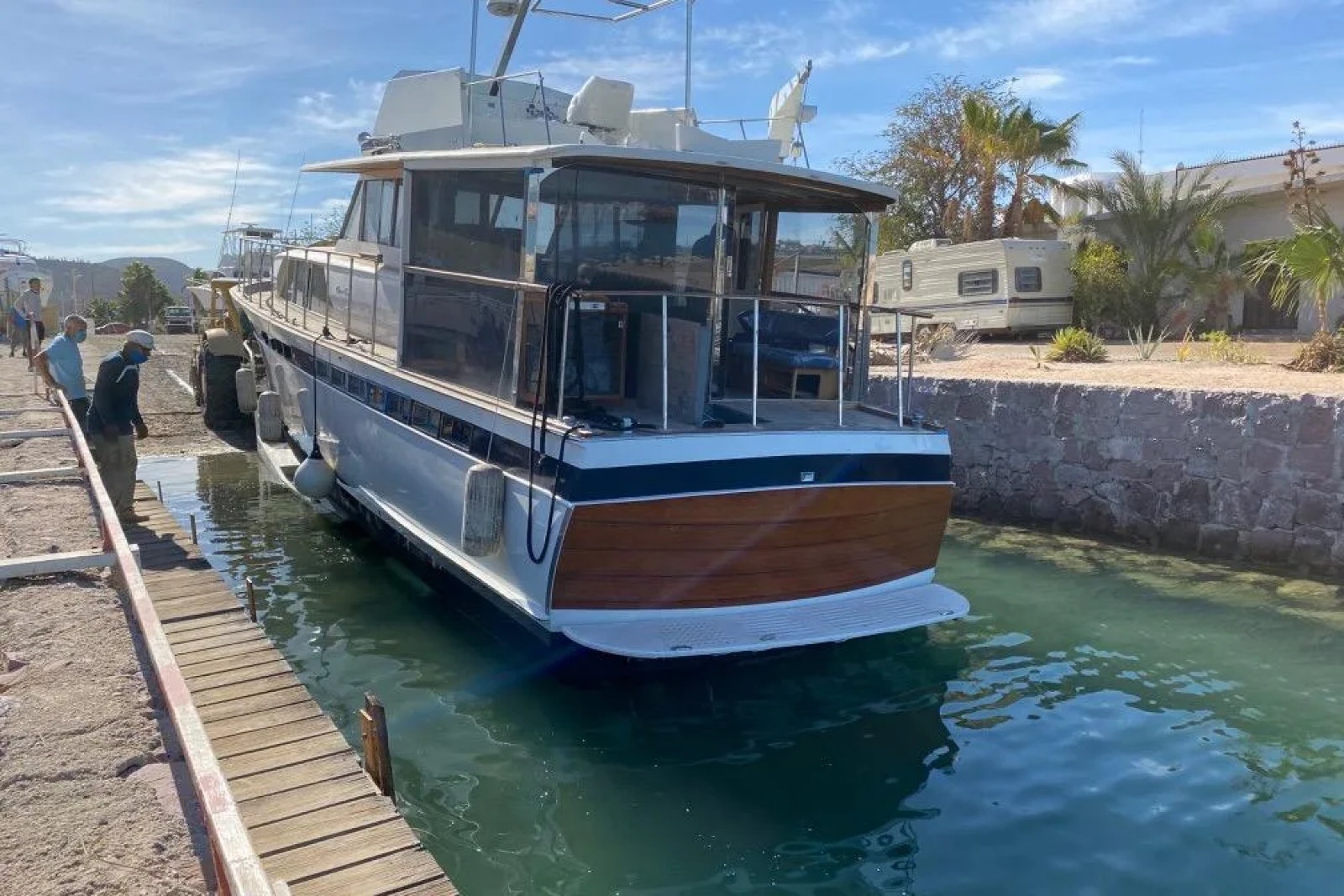
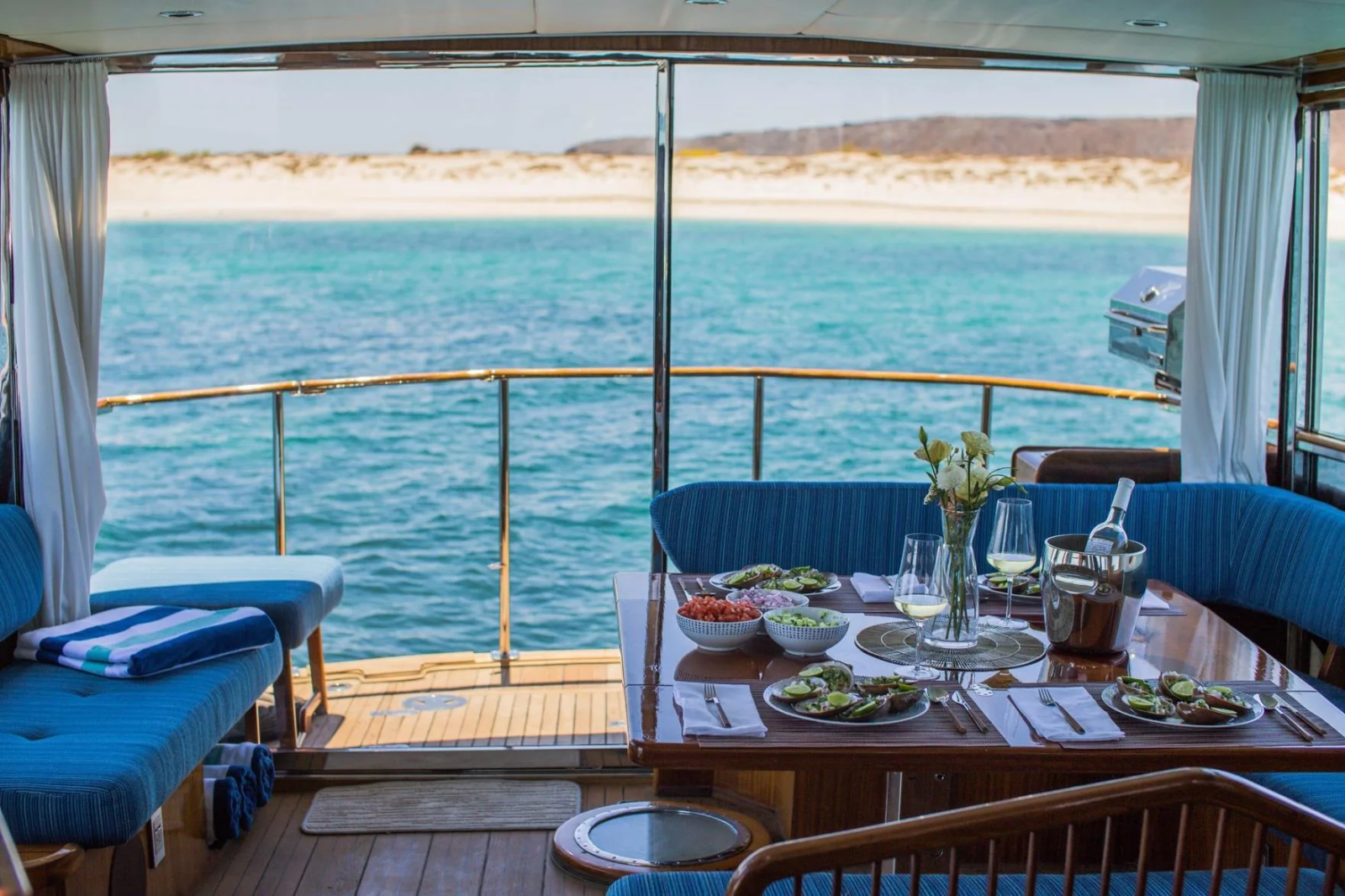
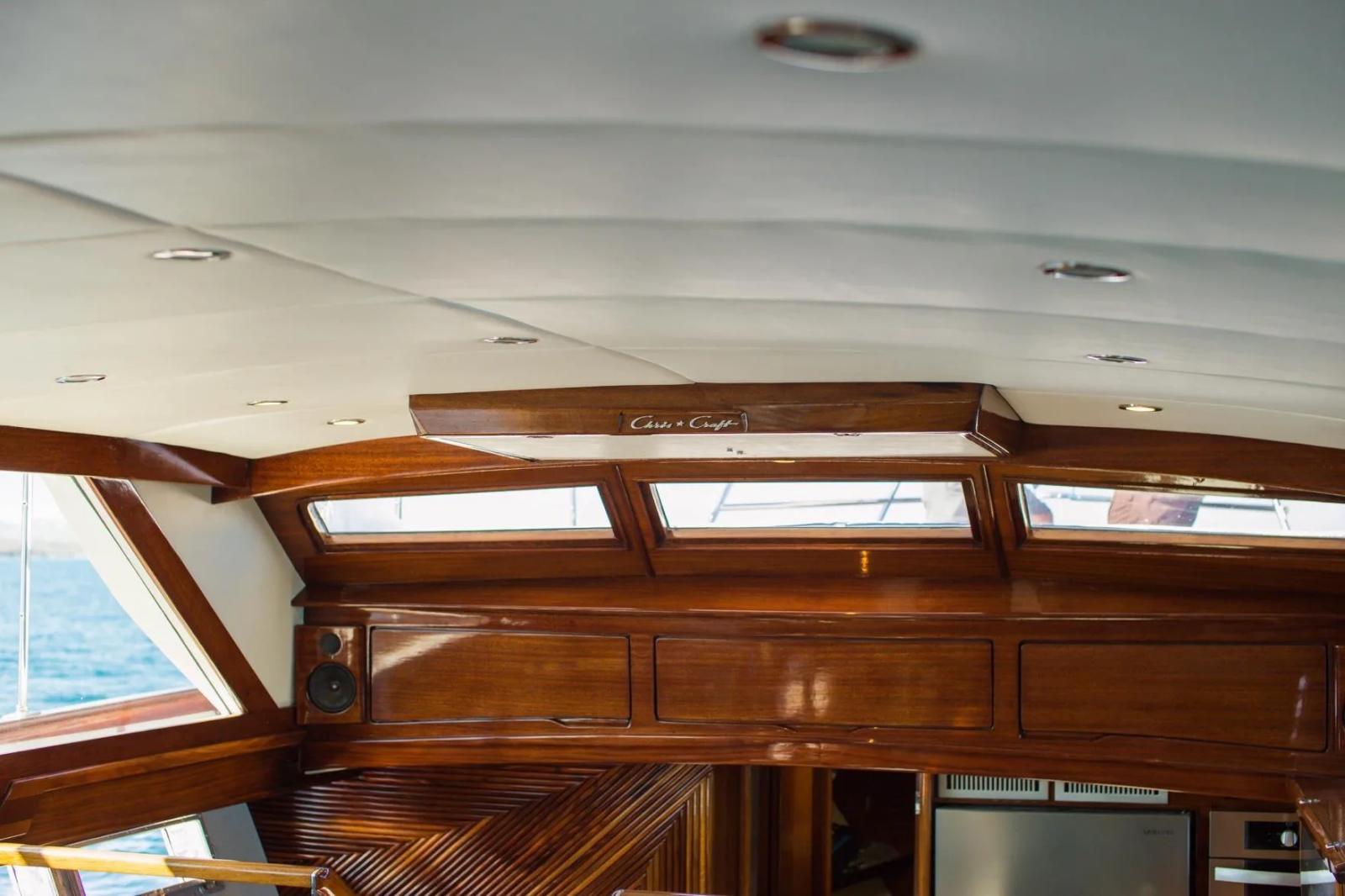
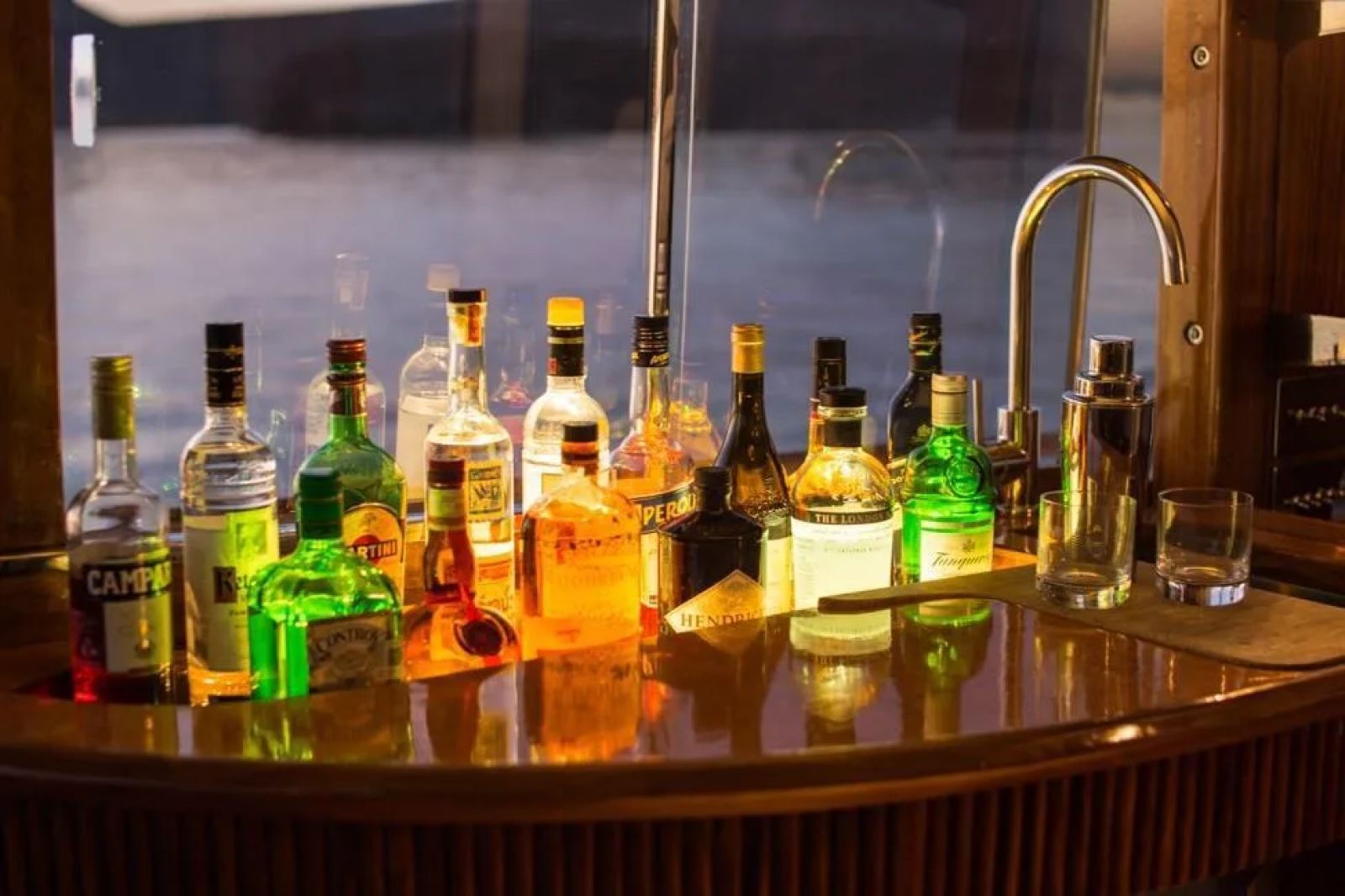
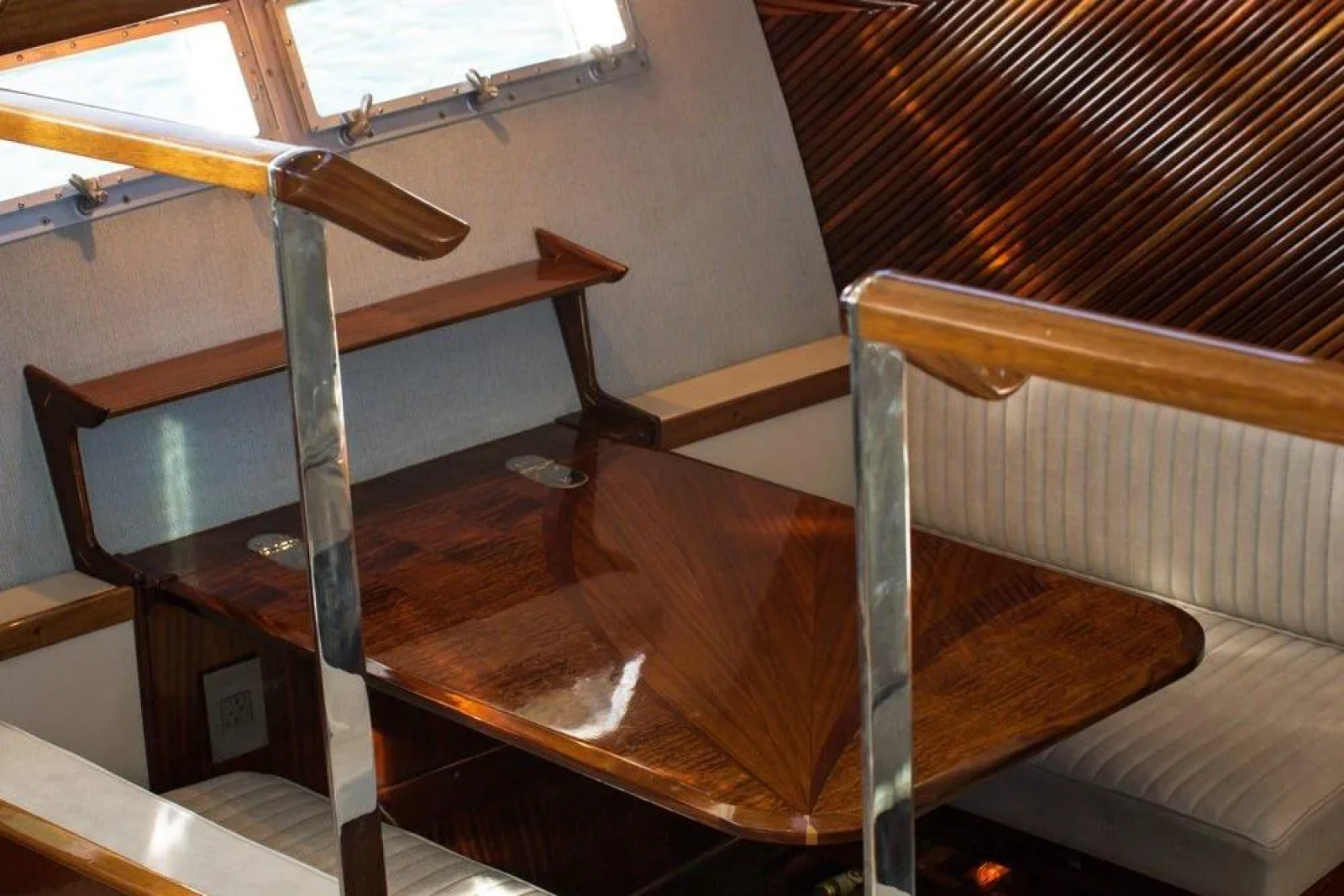
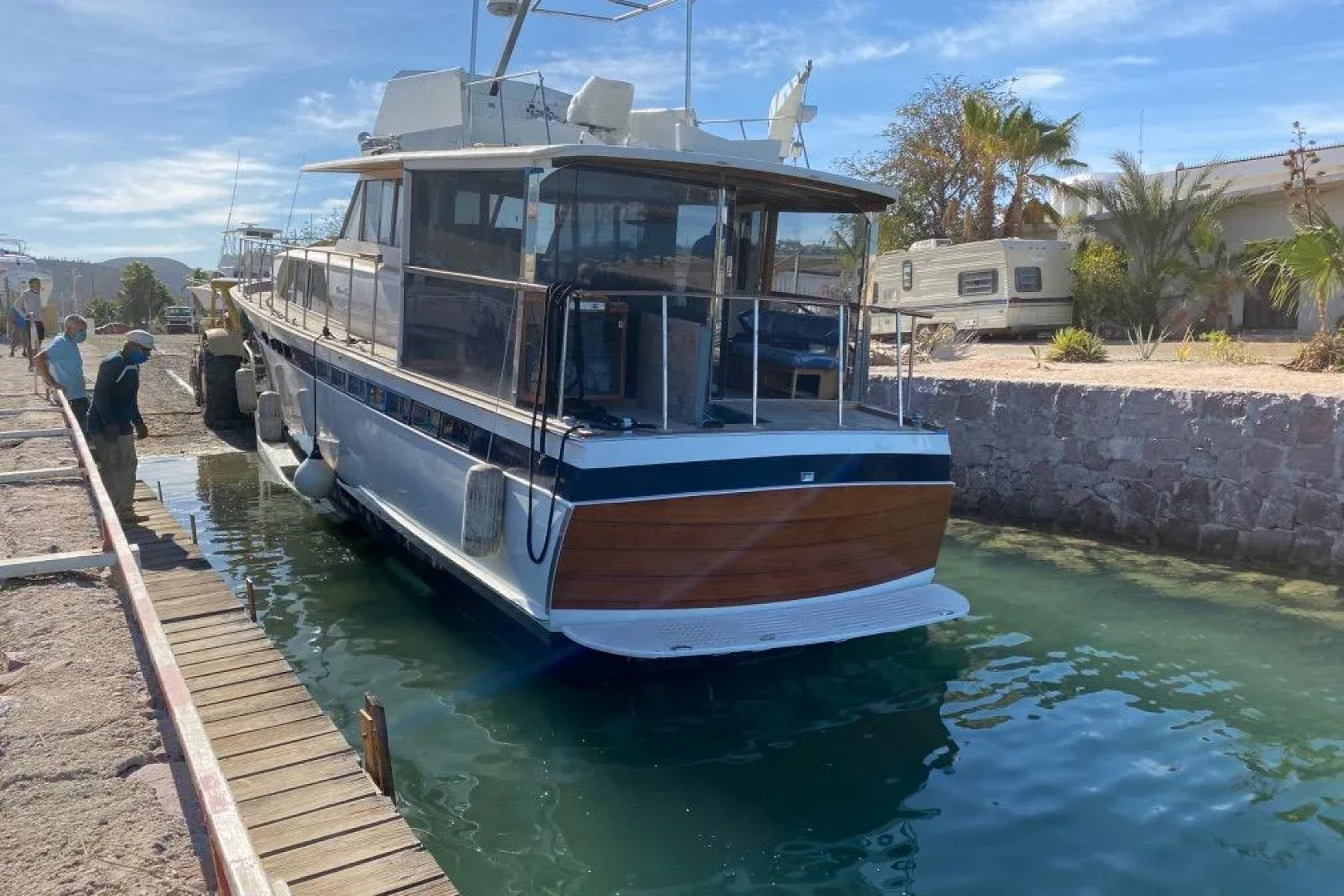
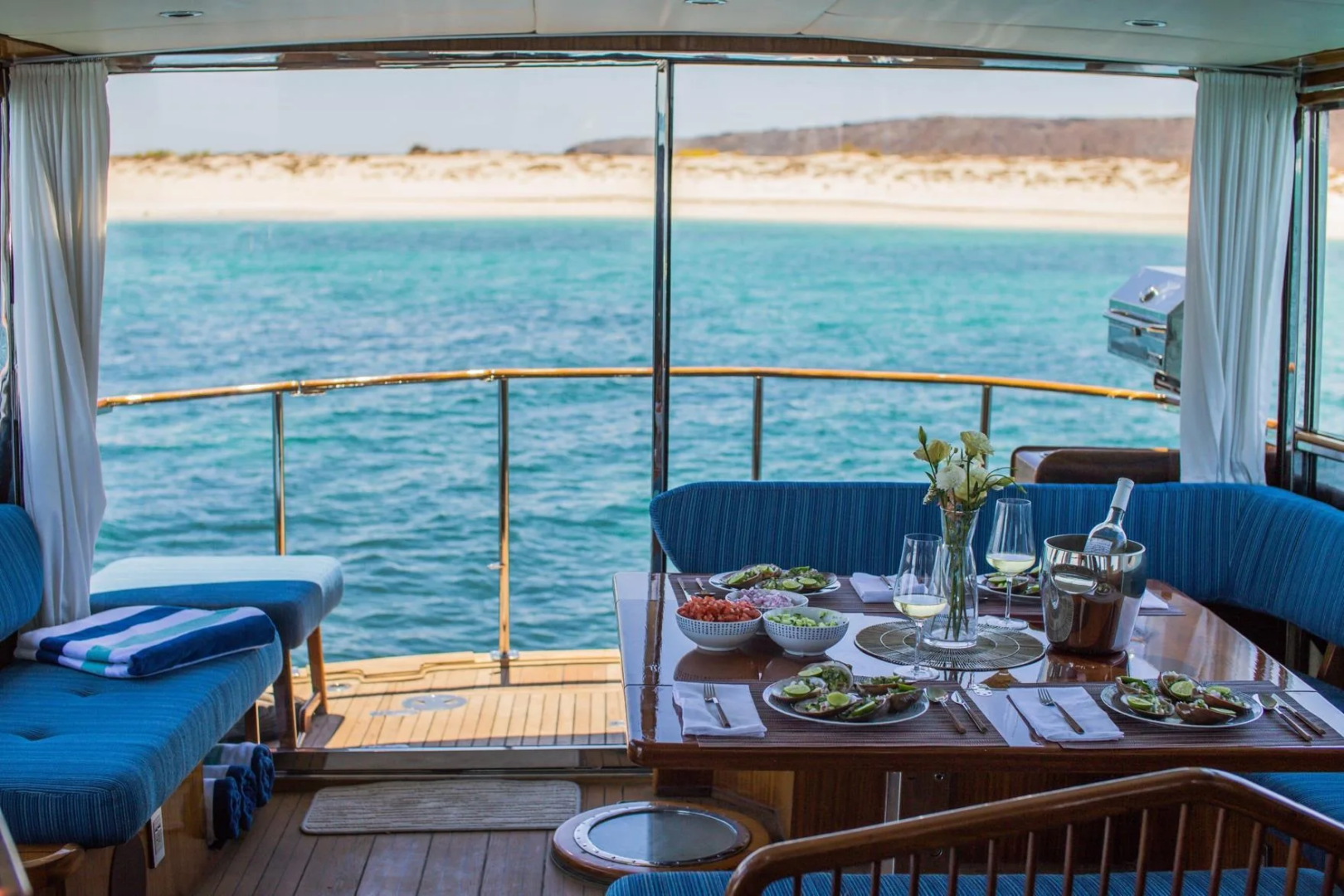
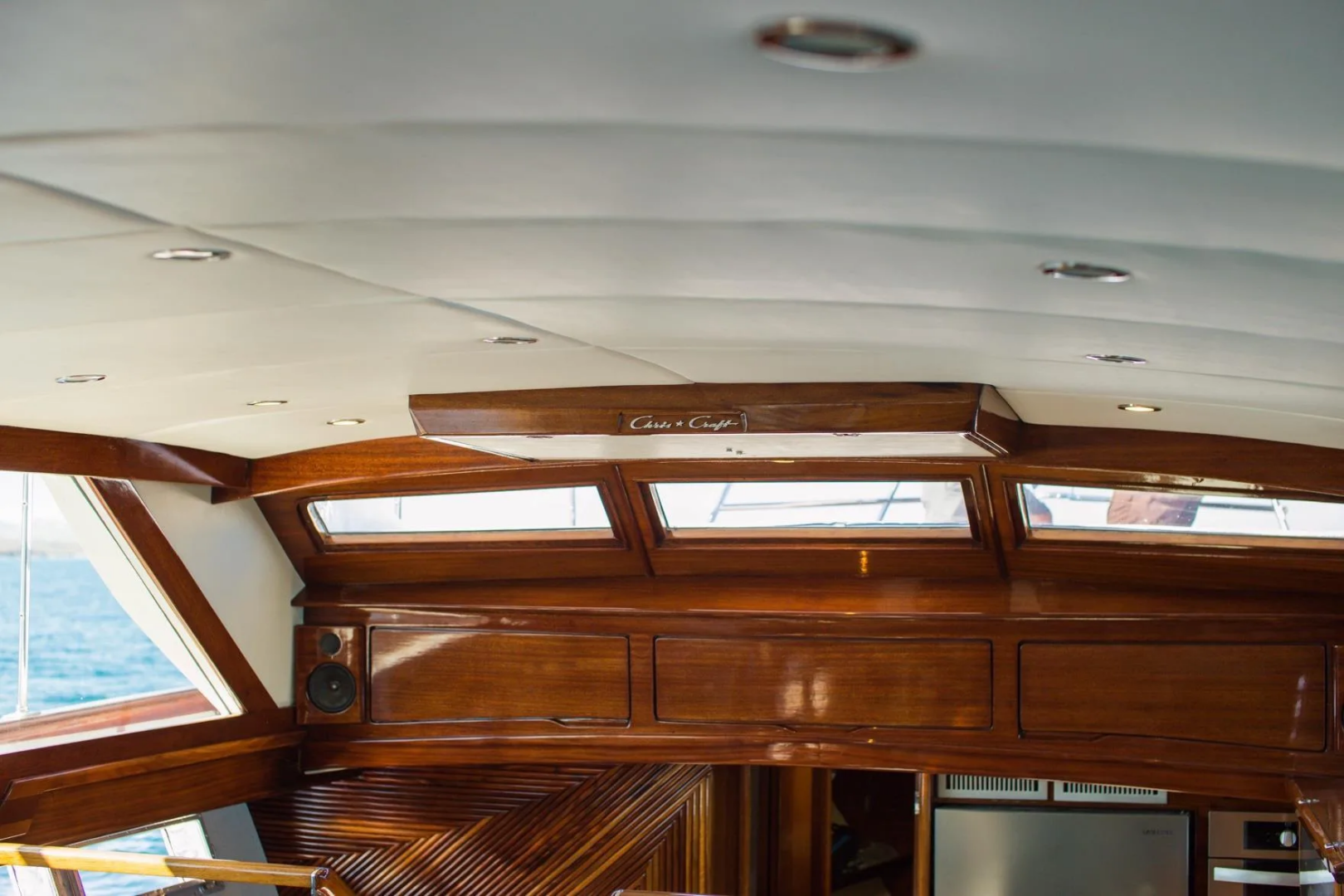
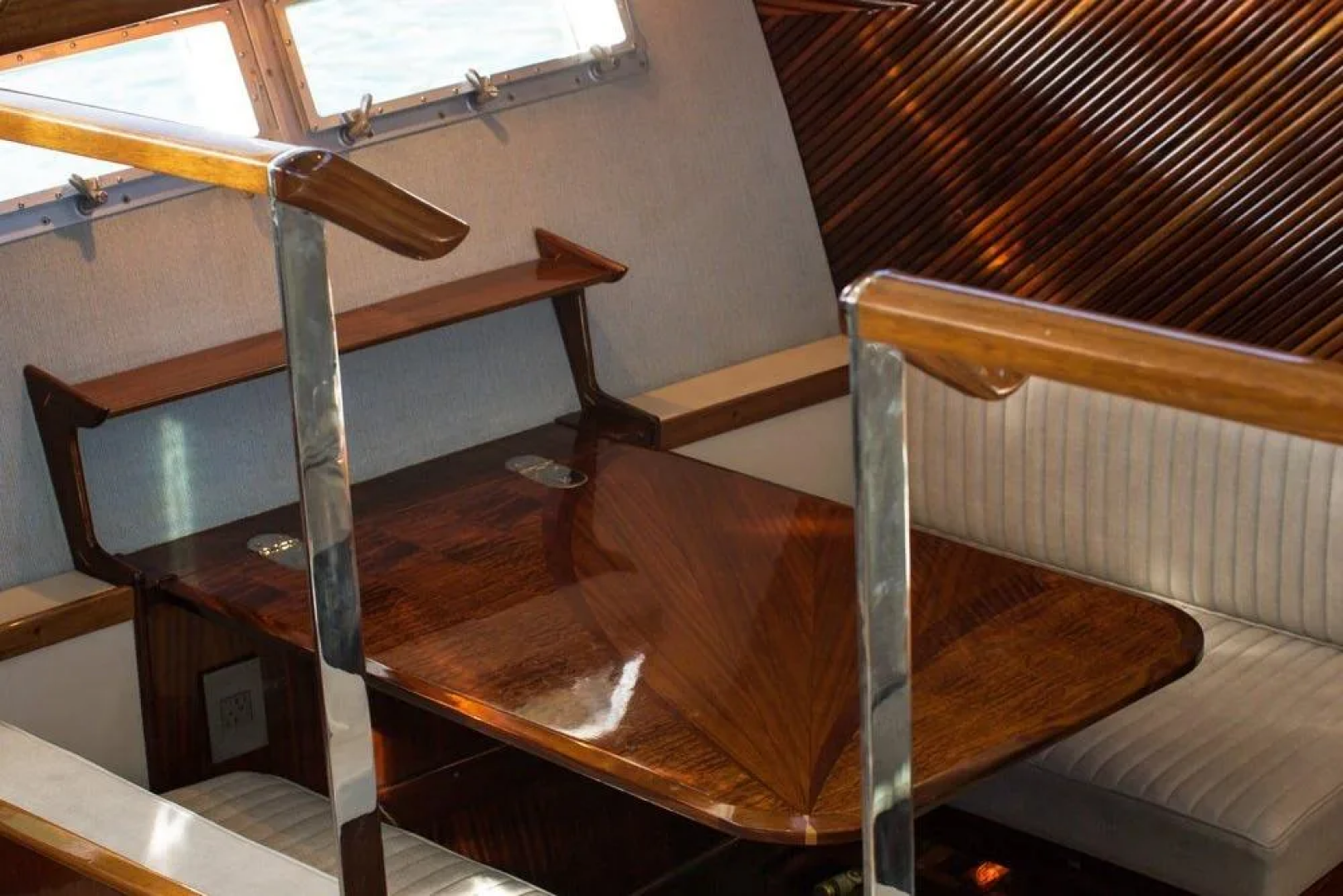
• Enclosed aft deck: making the most popular space on the boat, the aft deck, a comfortable, waterproof, air-conditioned space that can be opened or closed in seconds, ideal for meals, naps, and evening cocktails, custom built-in furniture and expandable dining table provides storage and optimal use of space
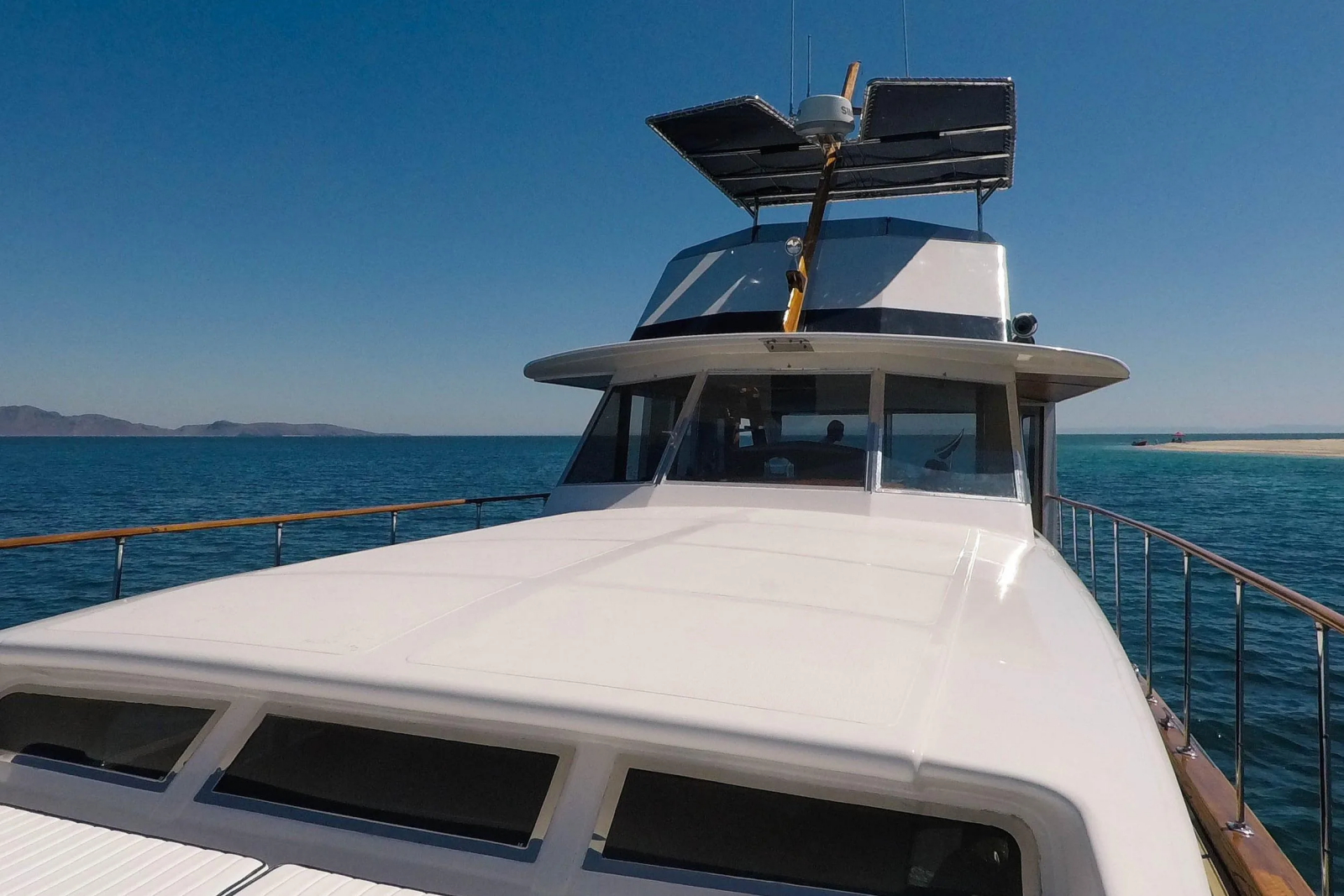
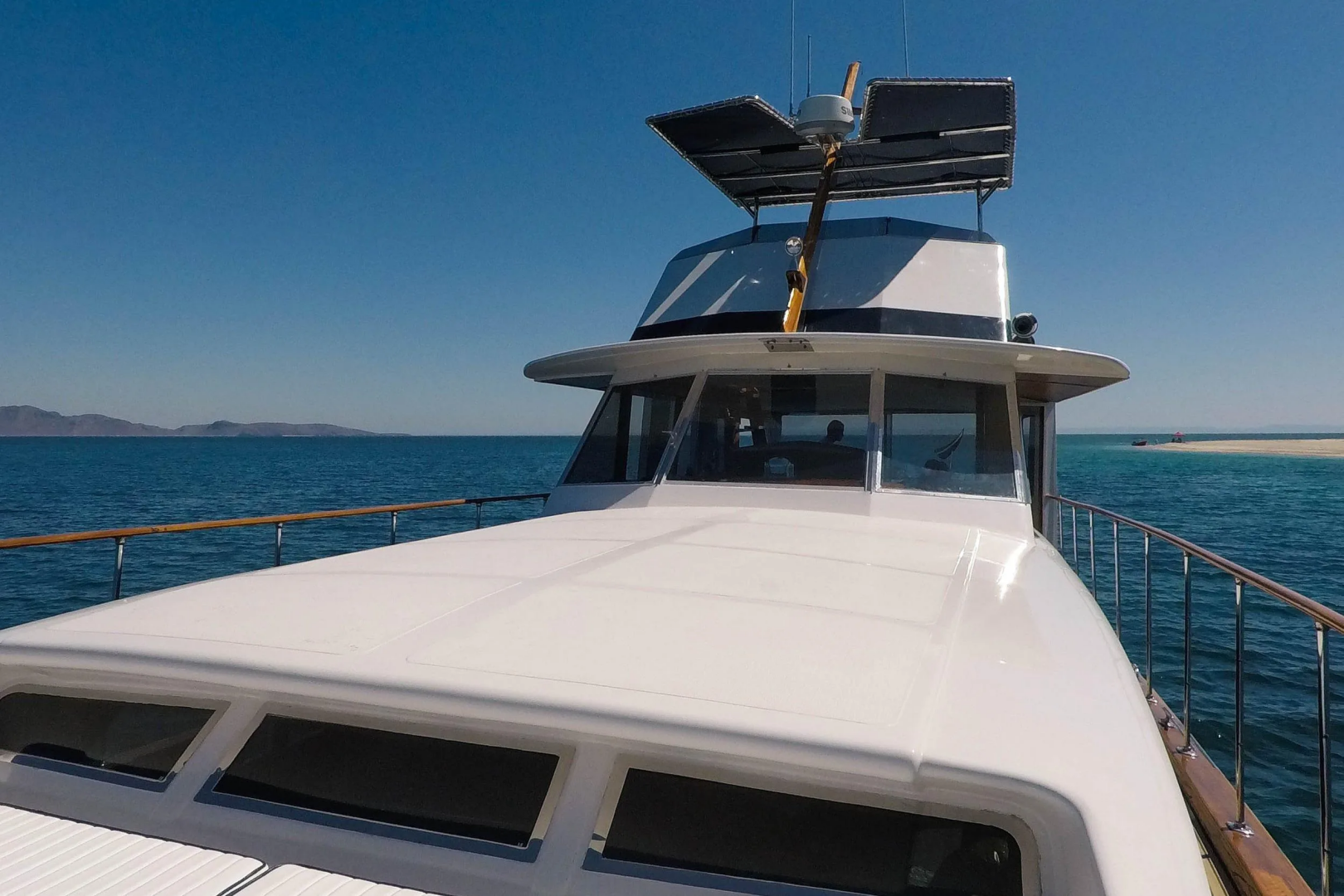
• Integrated stainless mast: containing all antennae, sensors, and other modern electronics (to remove from the original design of the cabin)
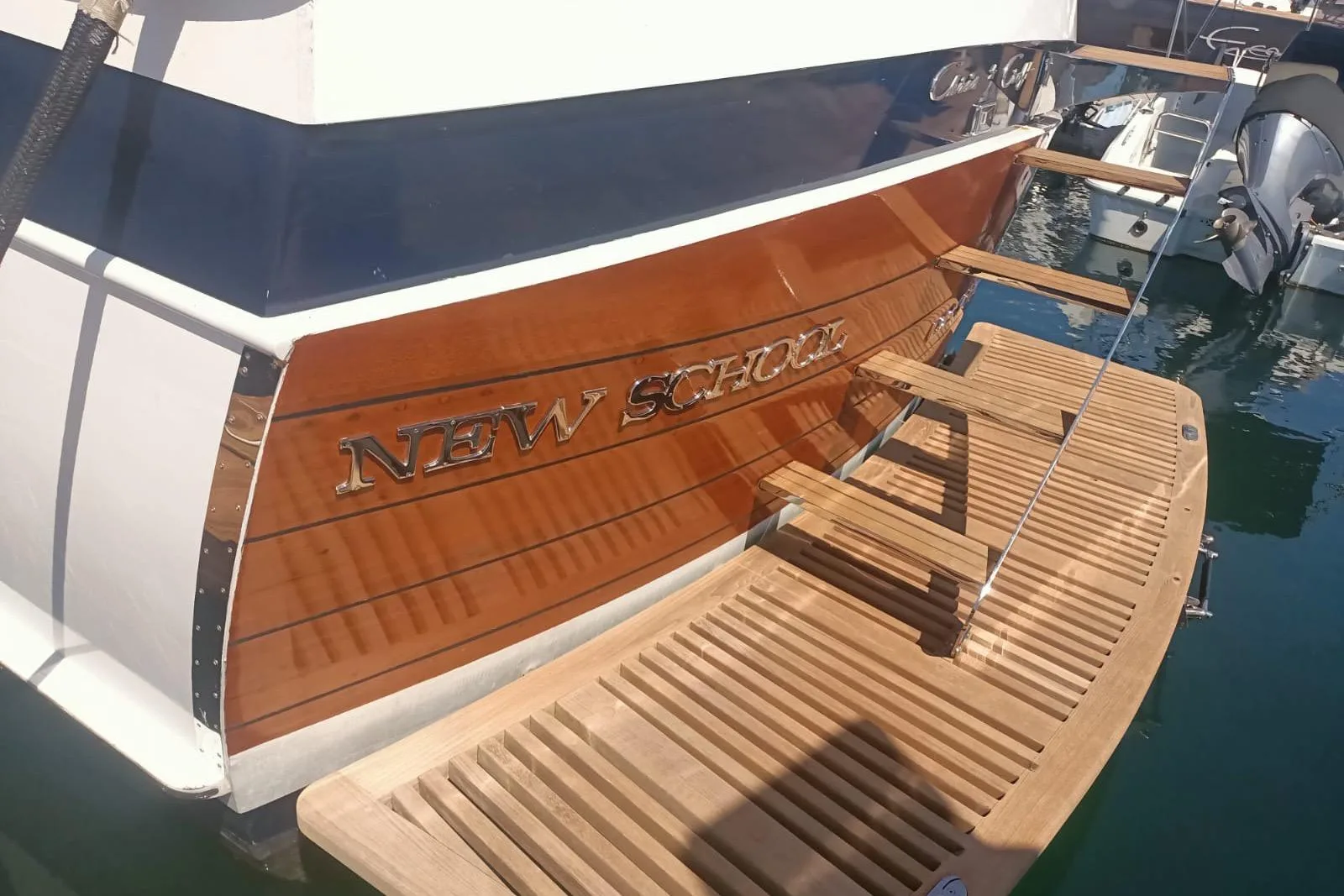
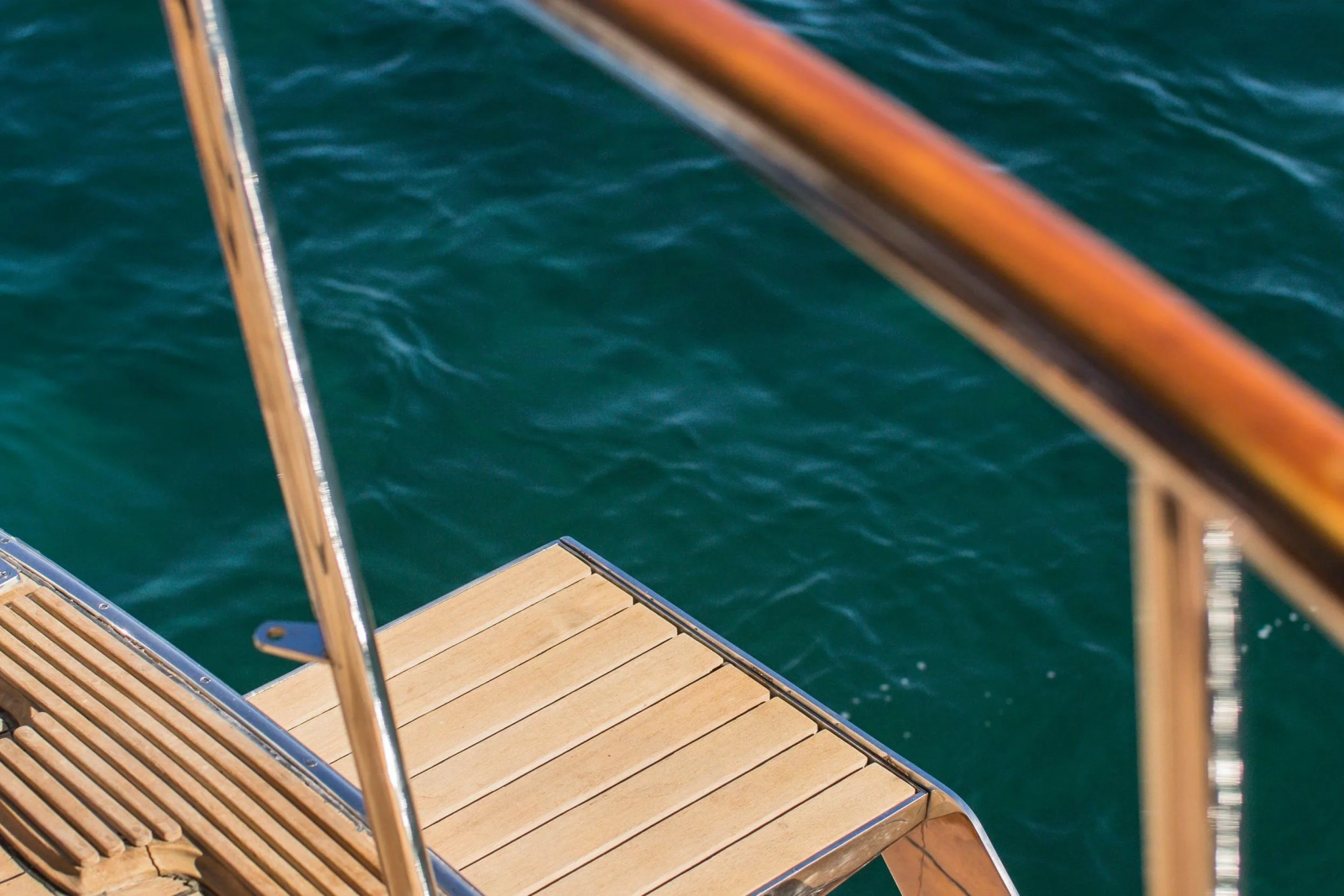
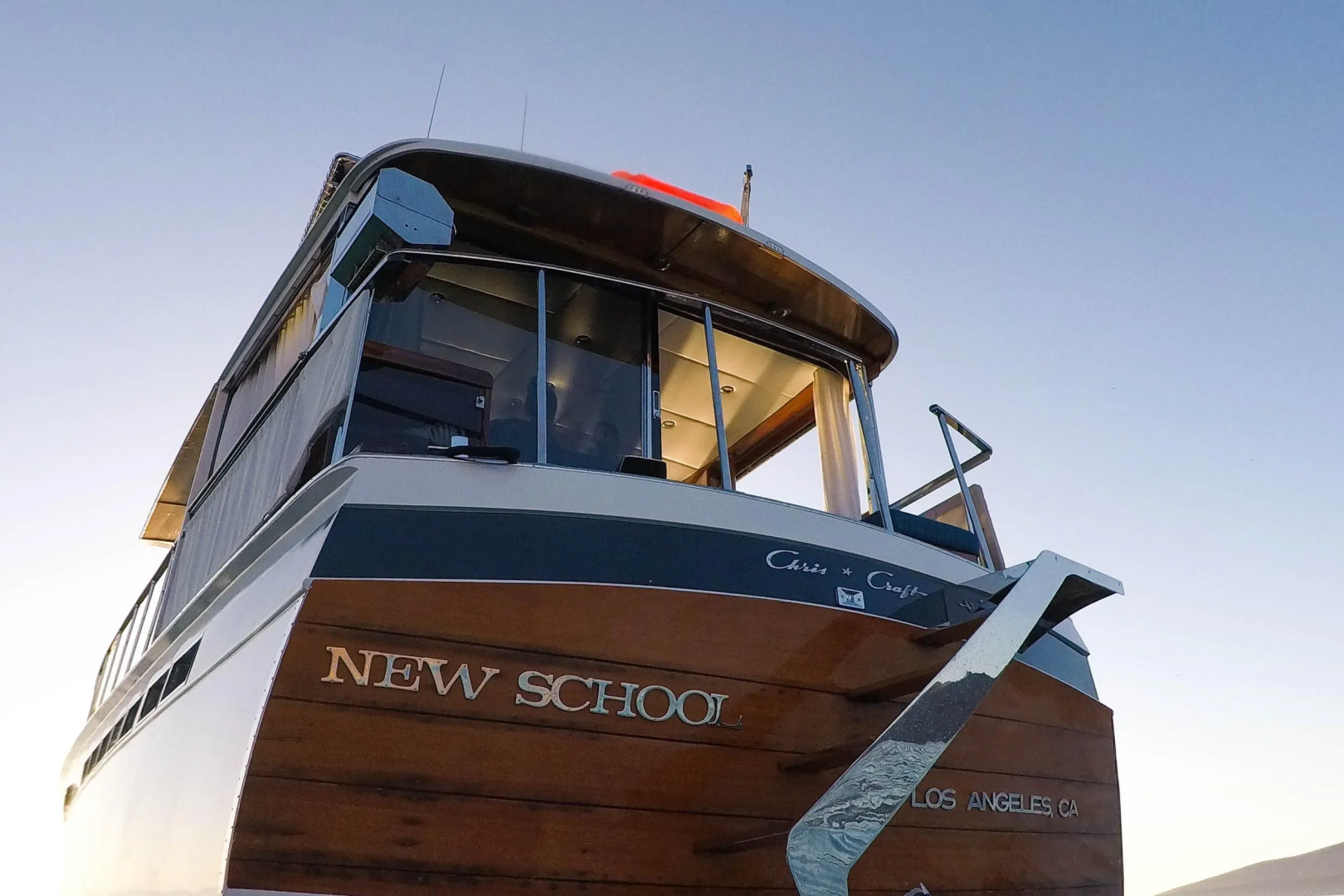
• Stern deck entry: a solid, curved stainless steel and teak entry stairway brings guests aboard the aft deck rather than the inconvenient side entry of the original design
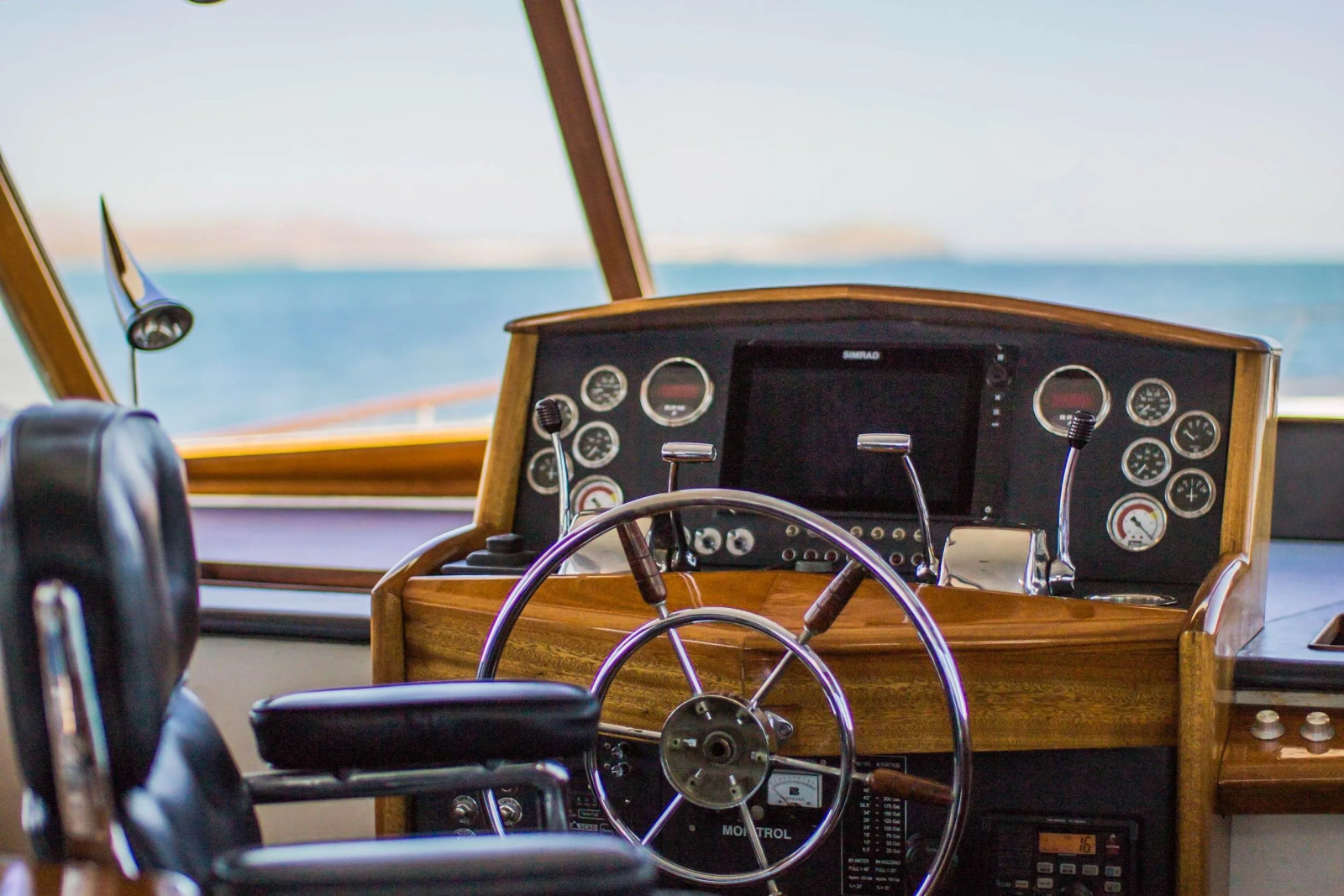
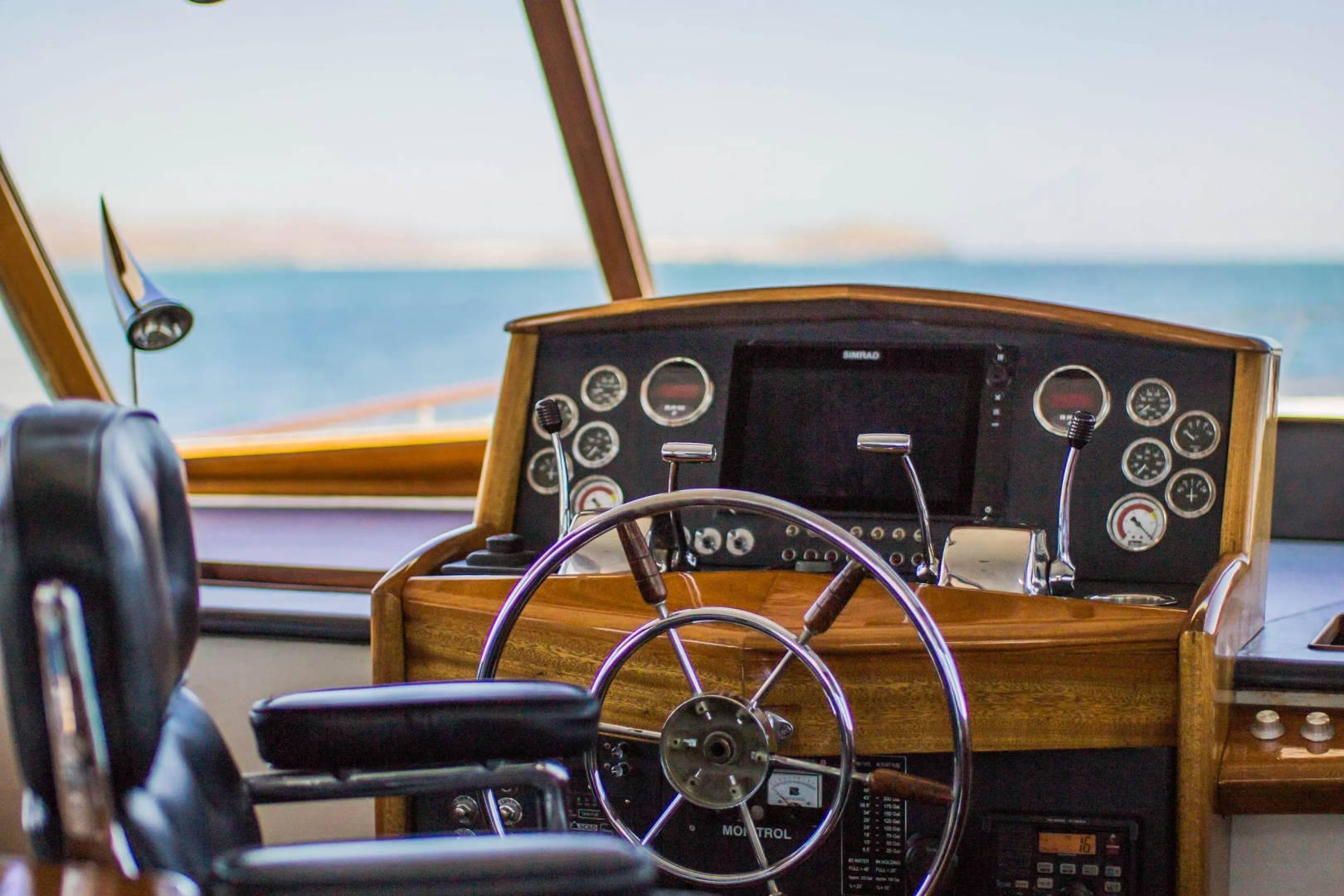
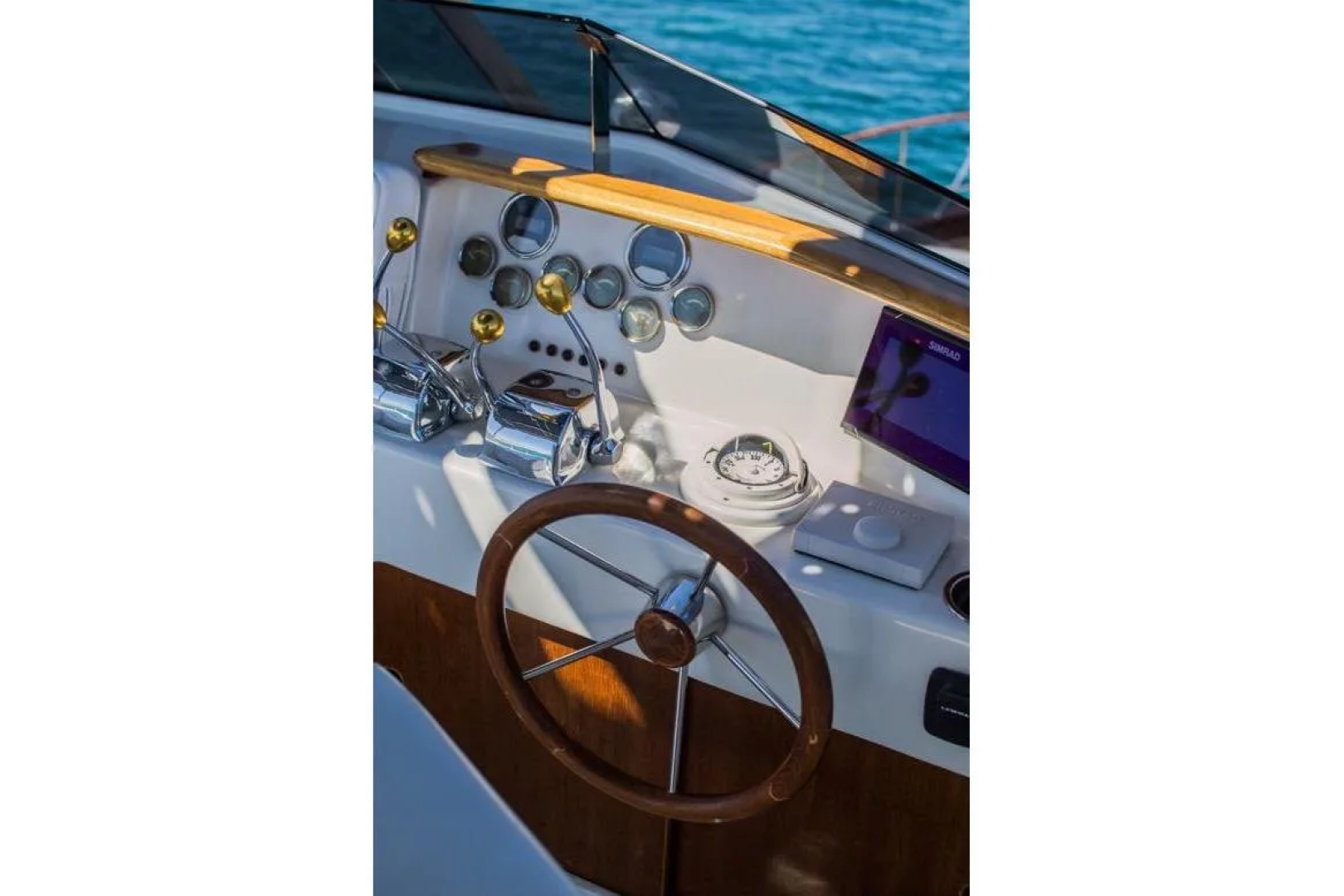
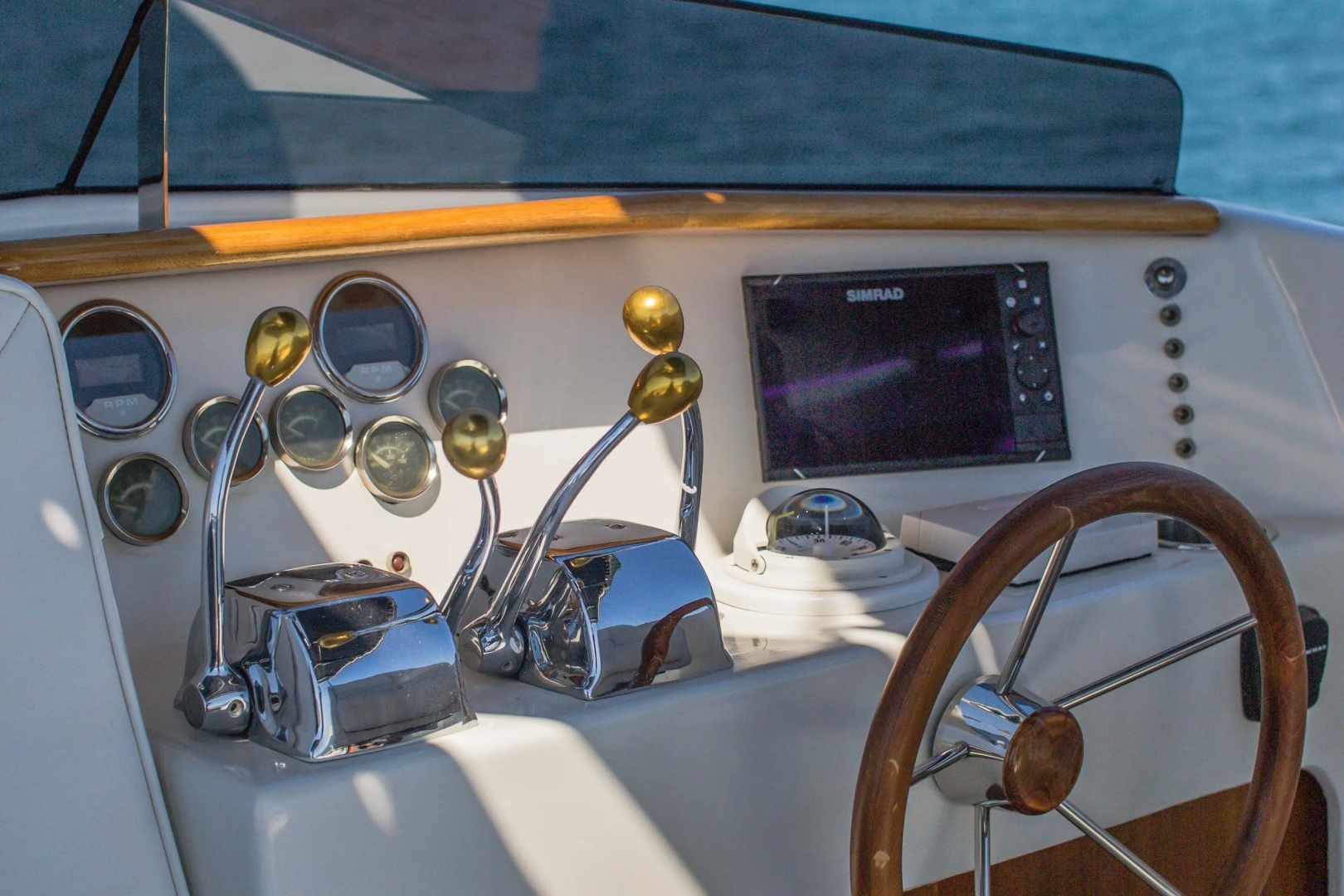
• Shaded Flybridge provides a comfortable additional space with exceptional views and a second Captain’s control station
- 1100 s.f. of indoor living space
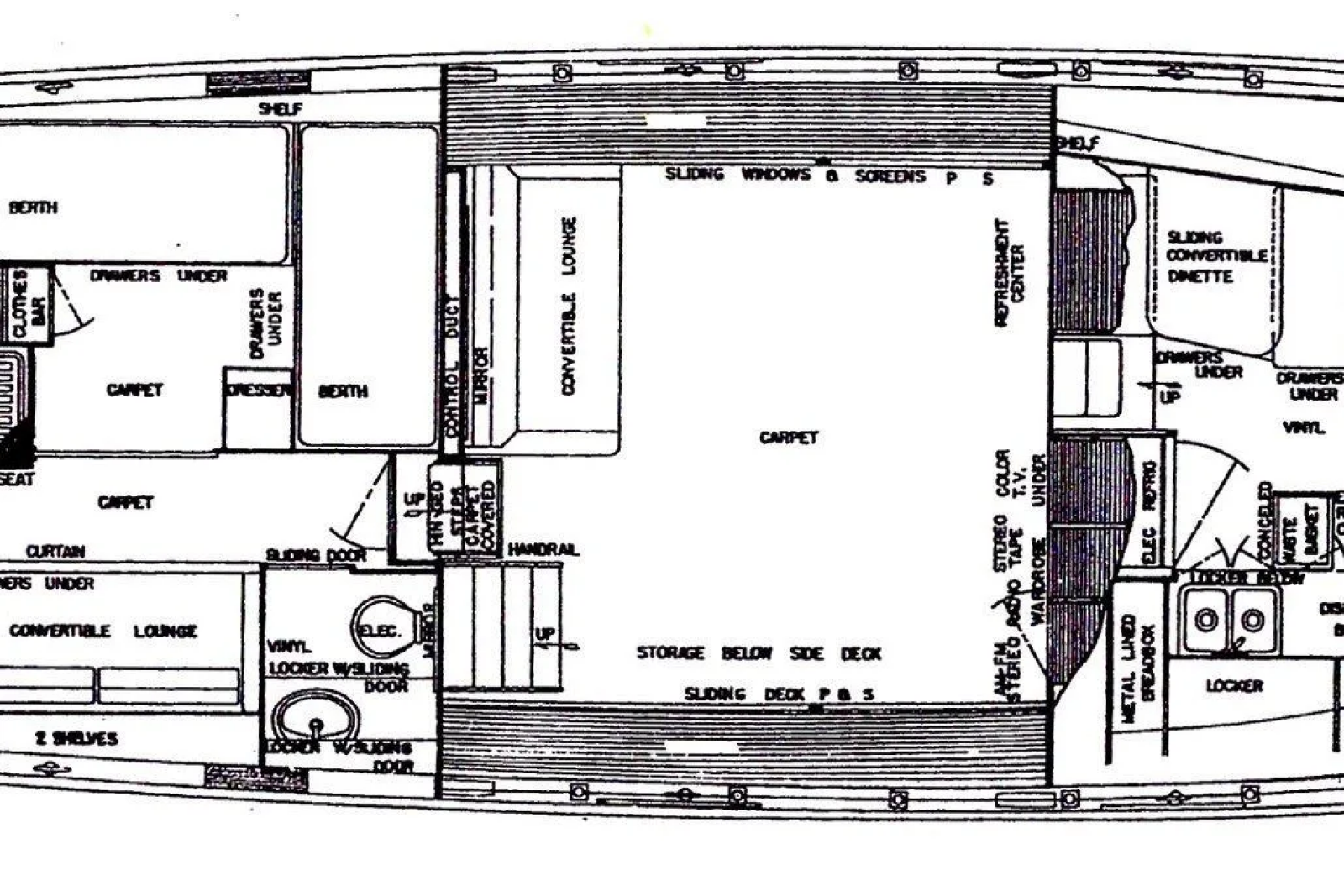
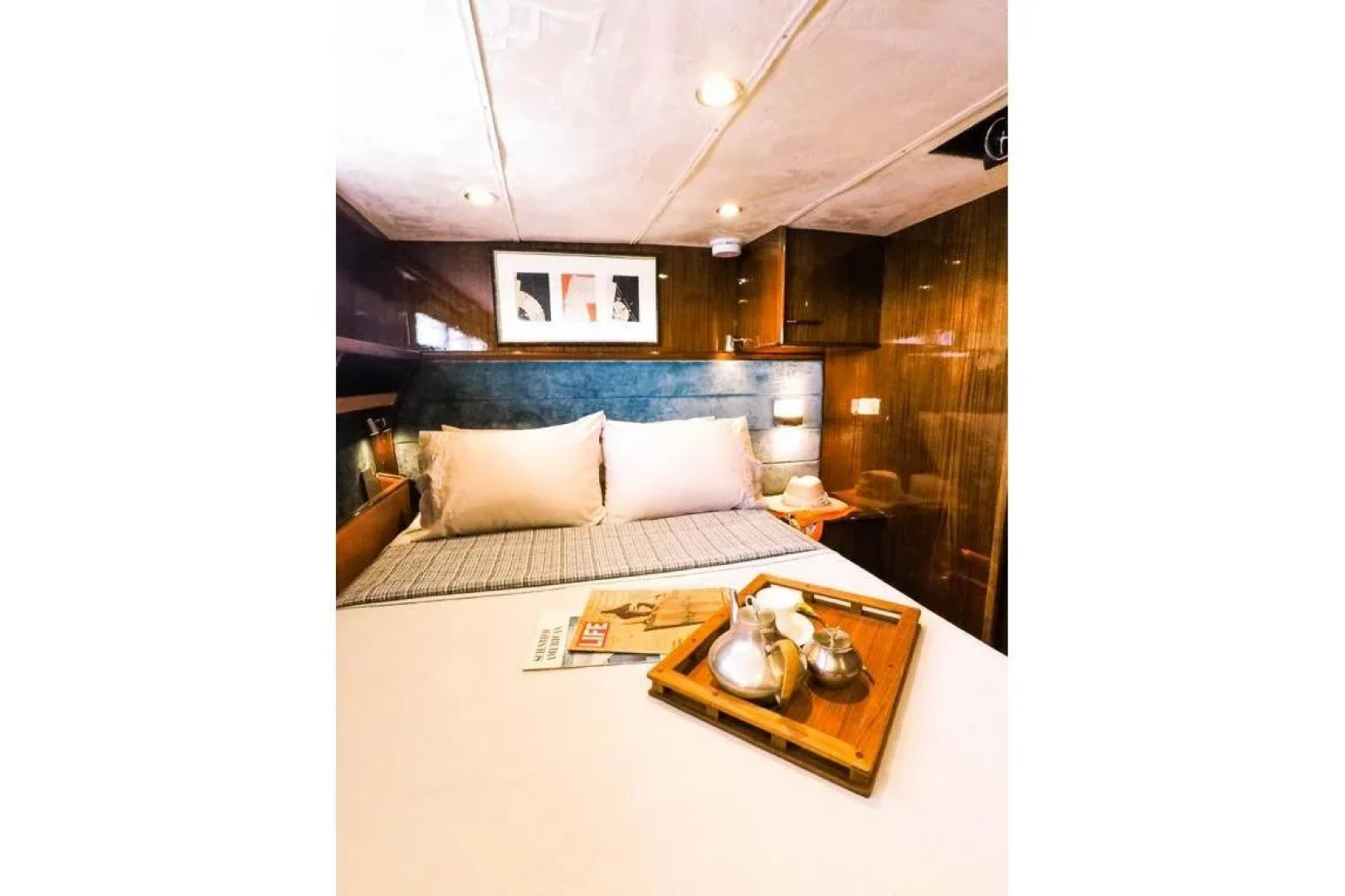
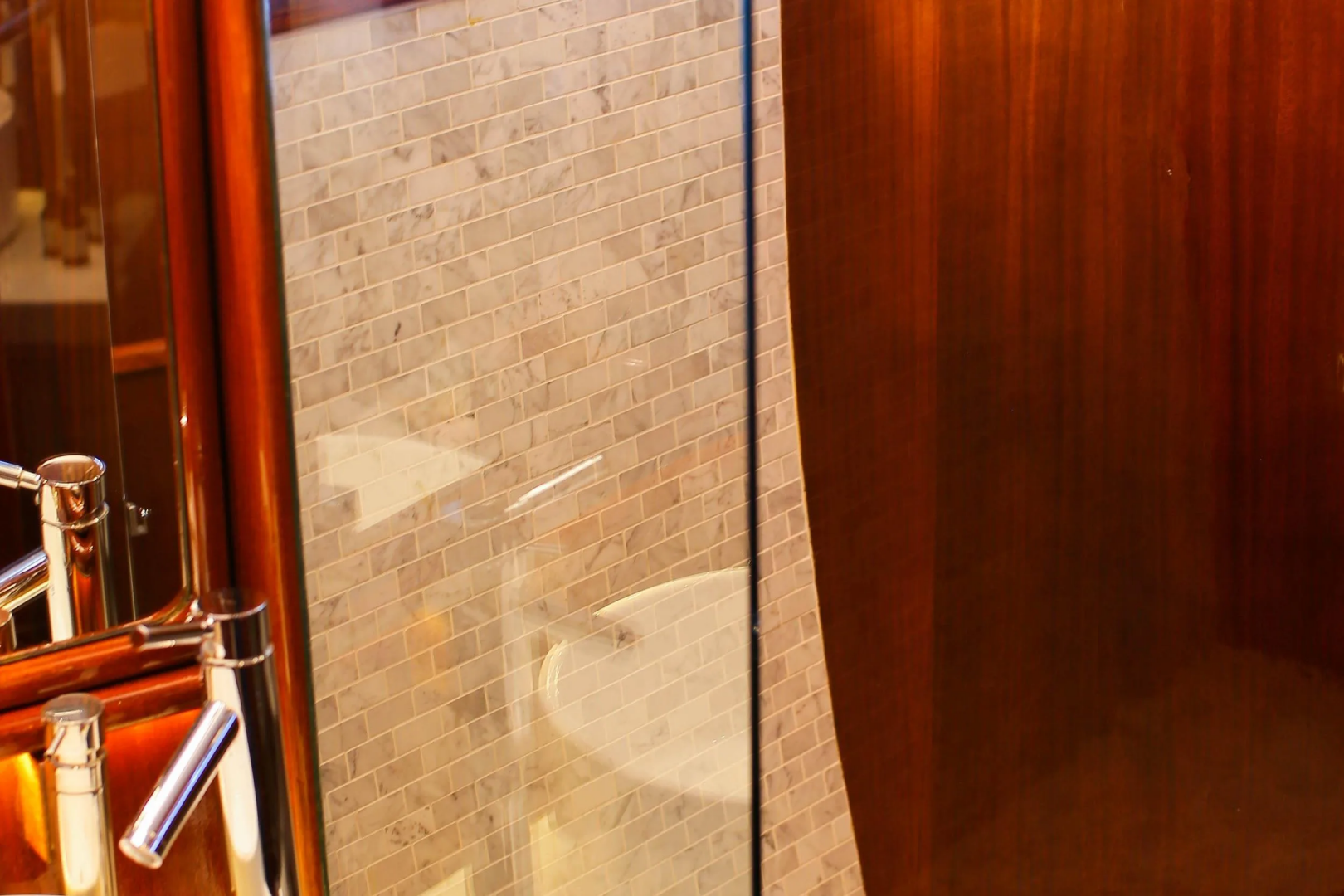
- 3 separate cabins, 3 full baths with showers, sleeps 7 comfortably with room for 10+
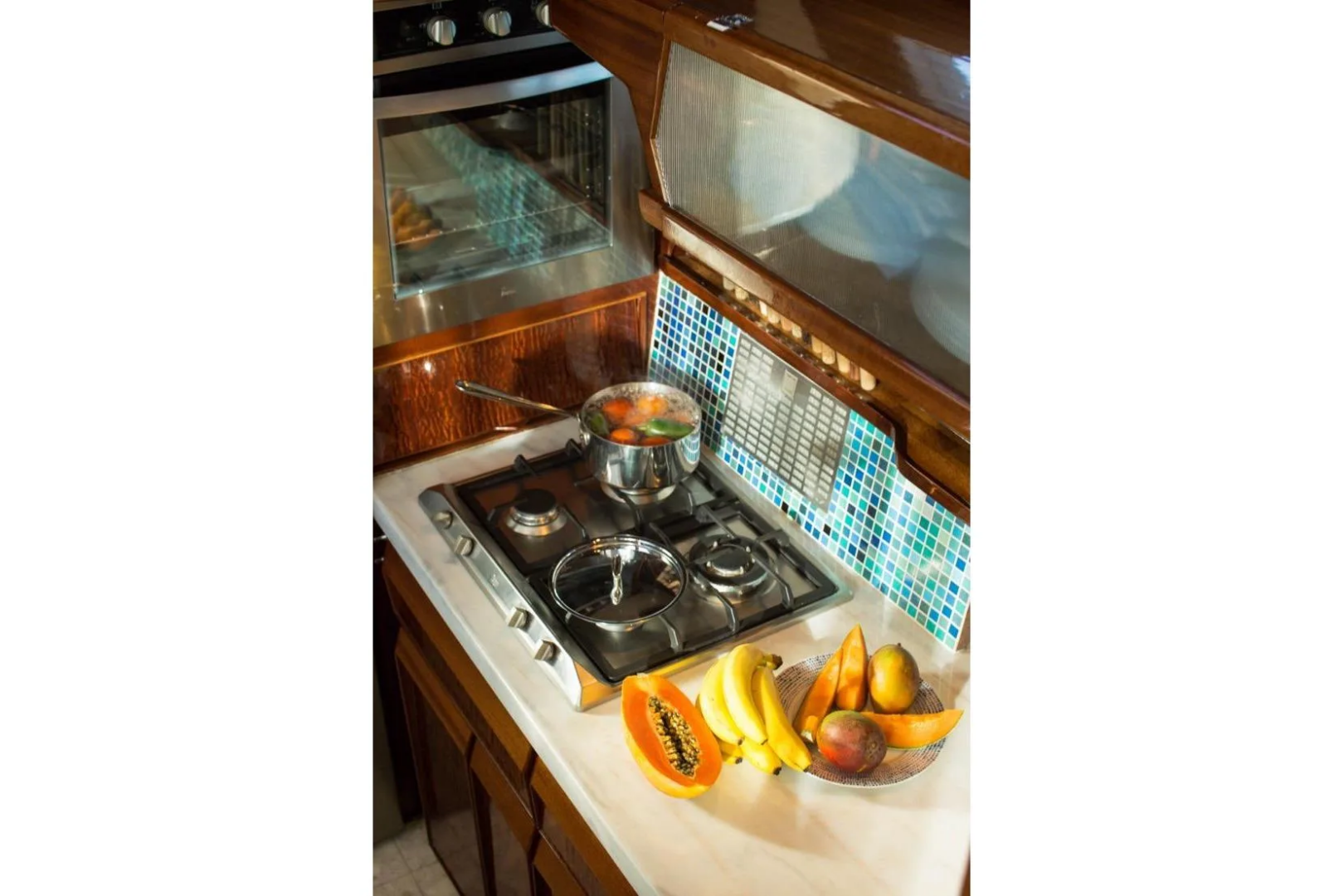
- Full Chef’s Kitchen, large salon
- Air conditioned, convertible aft deck
- Over 500 s.f. of outdoor deck and lounge space
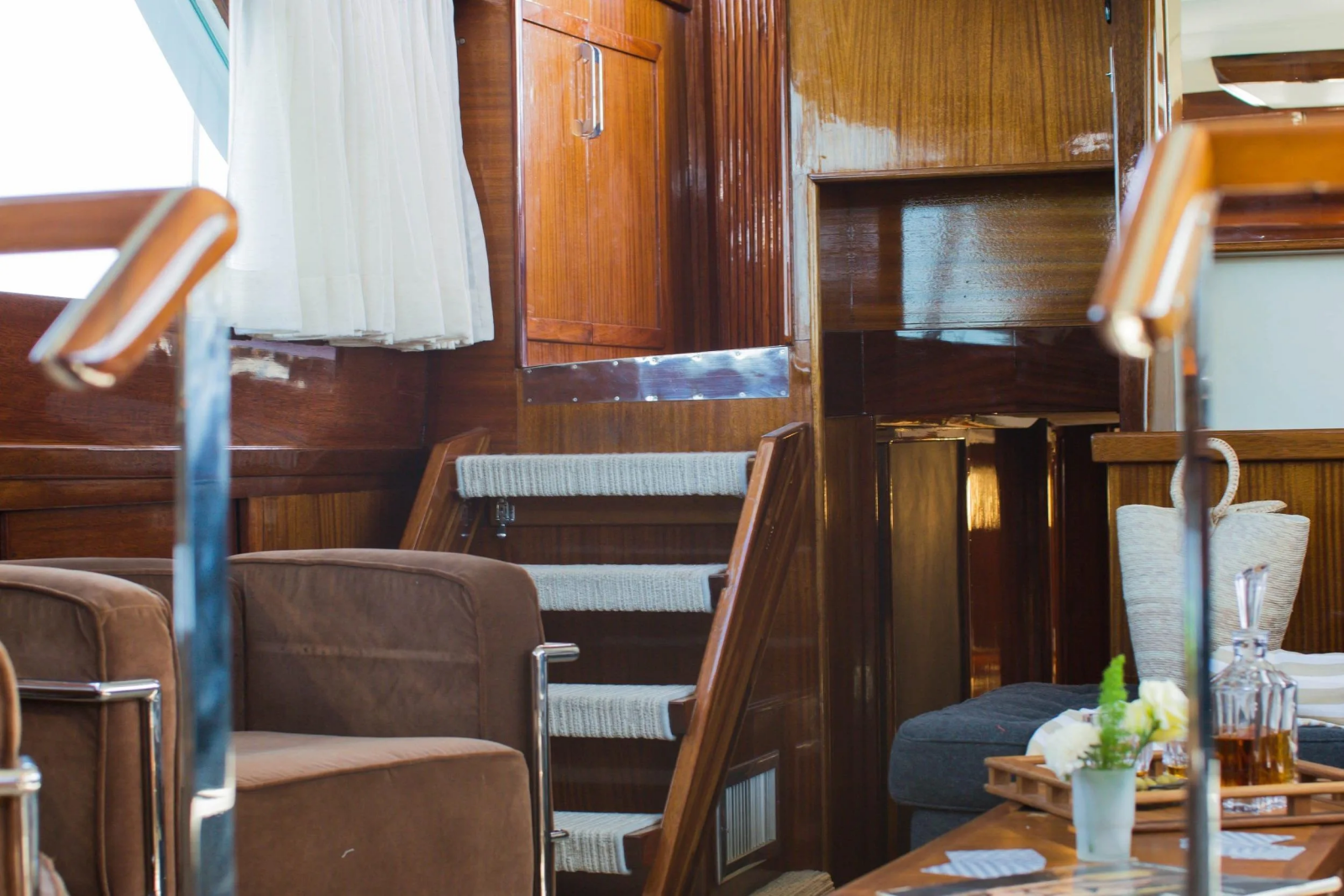
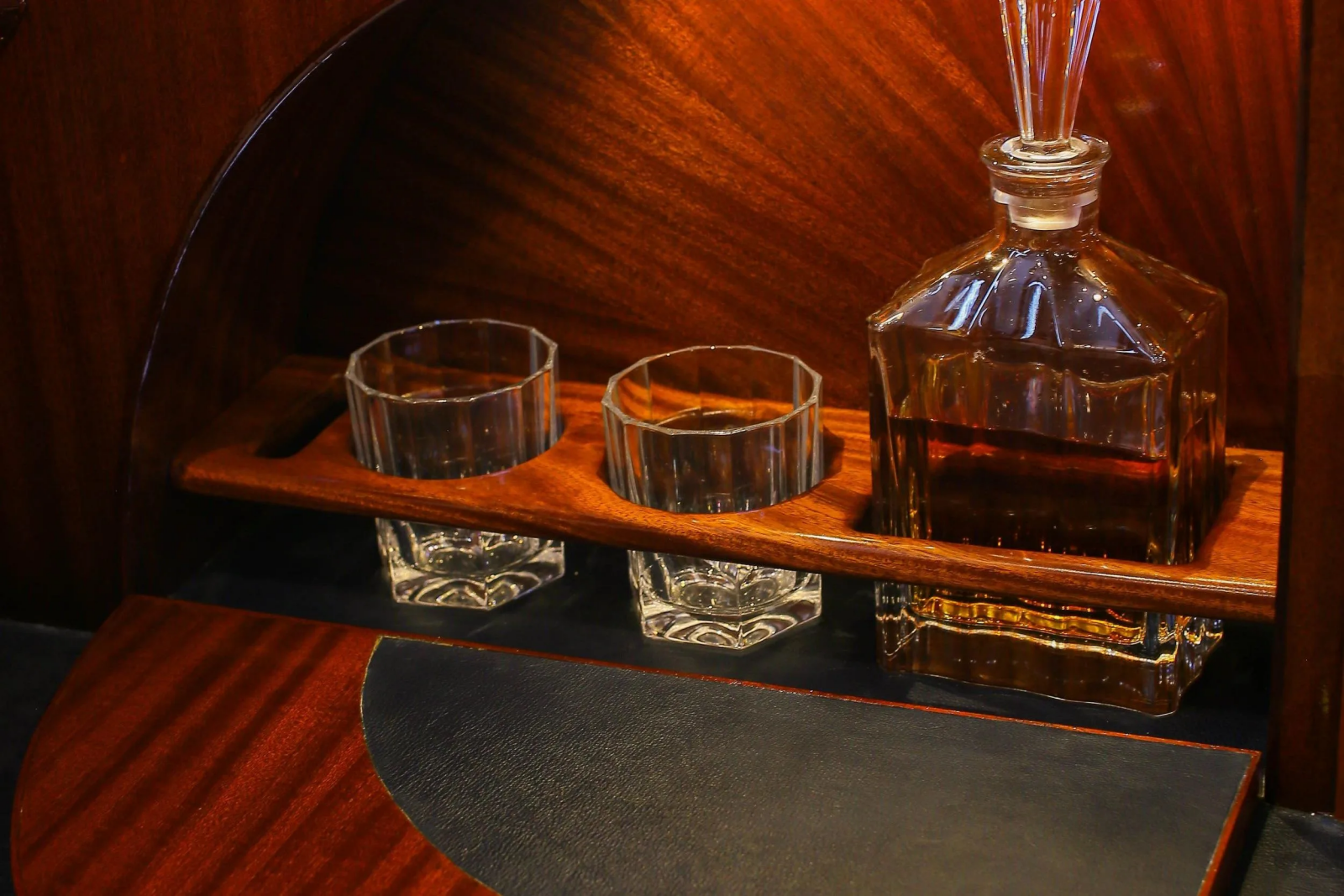
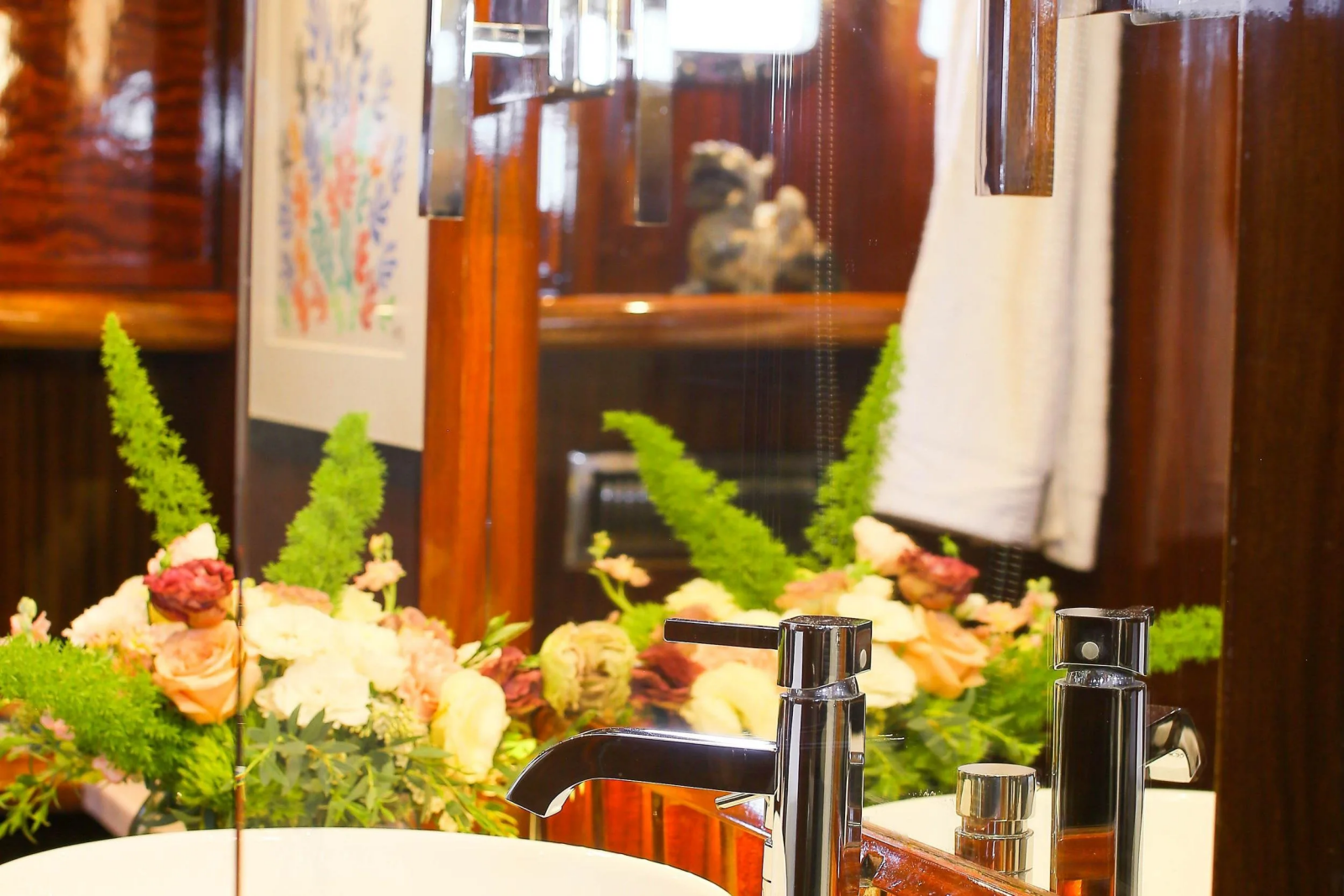
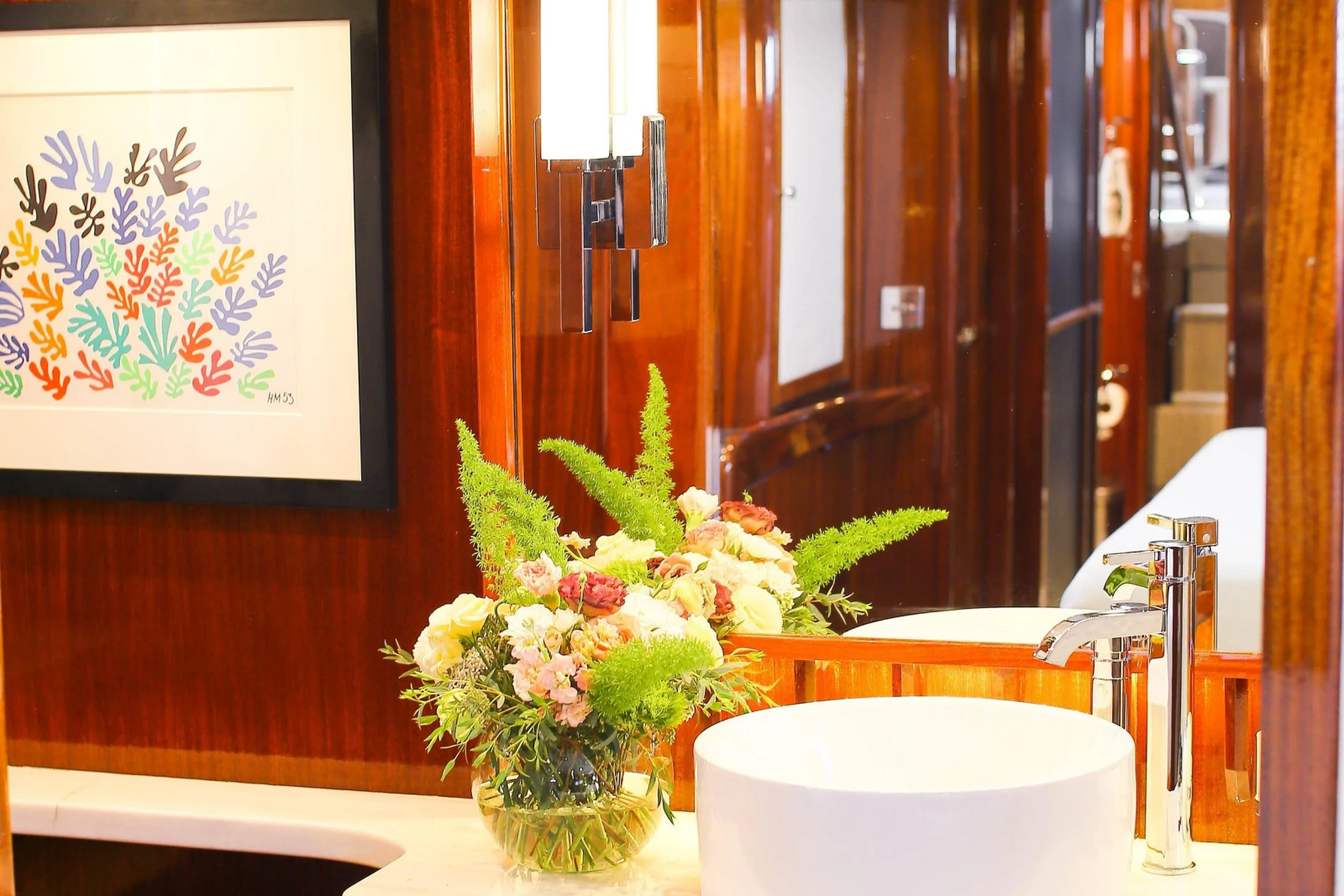
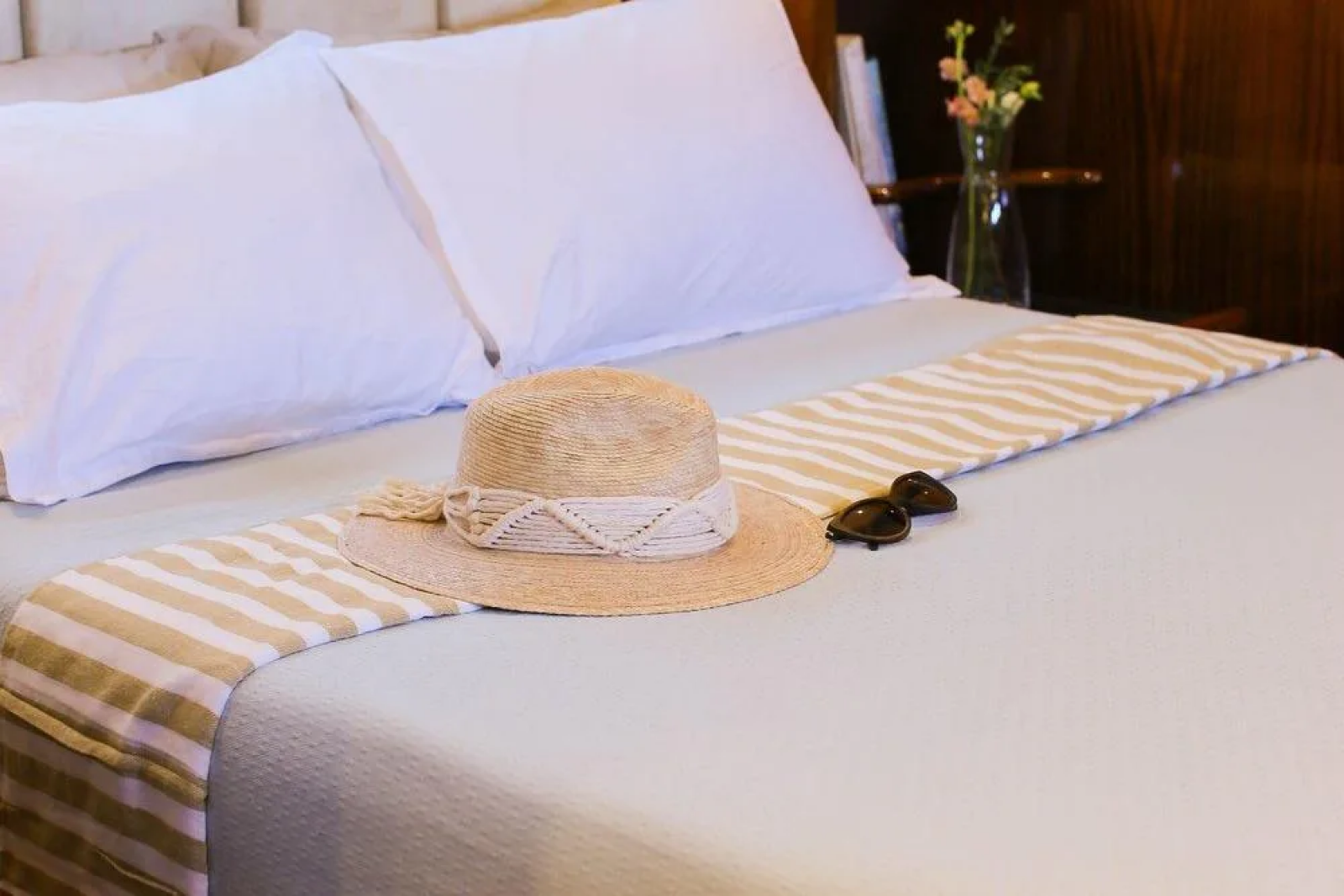
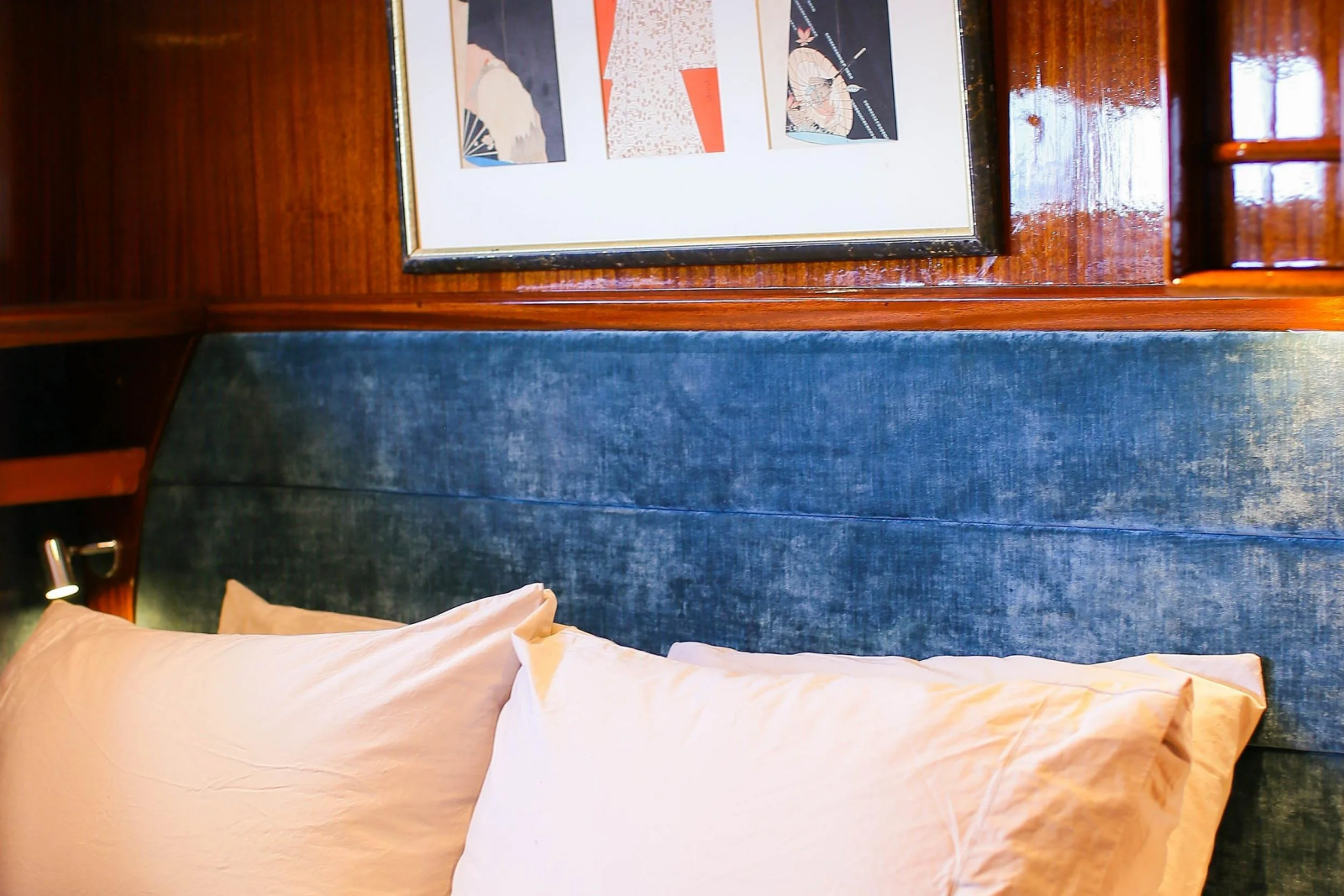
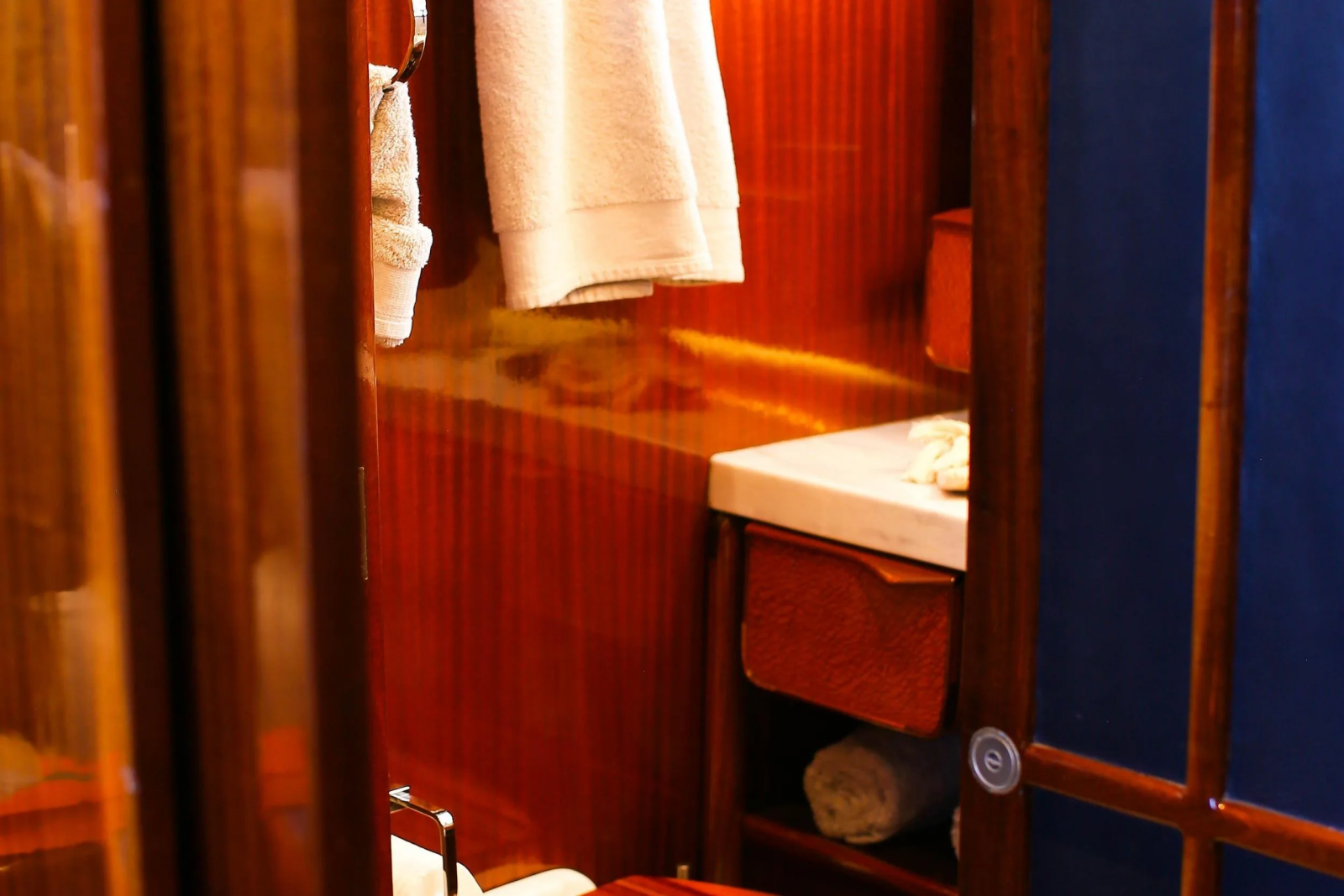
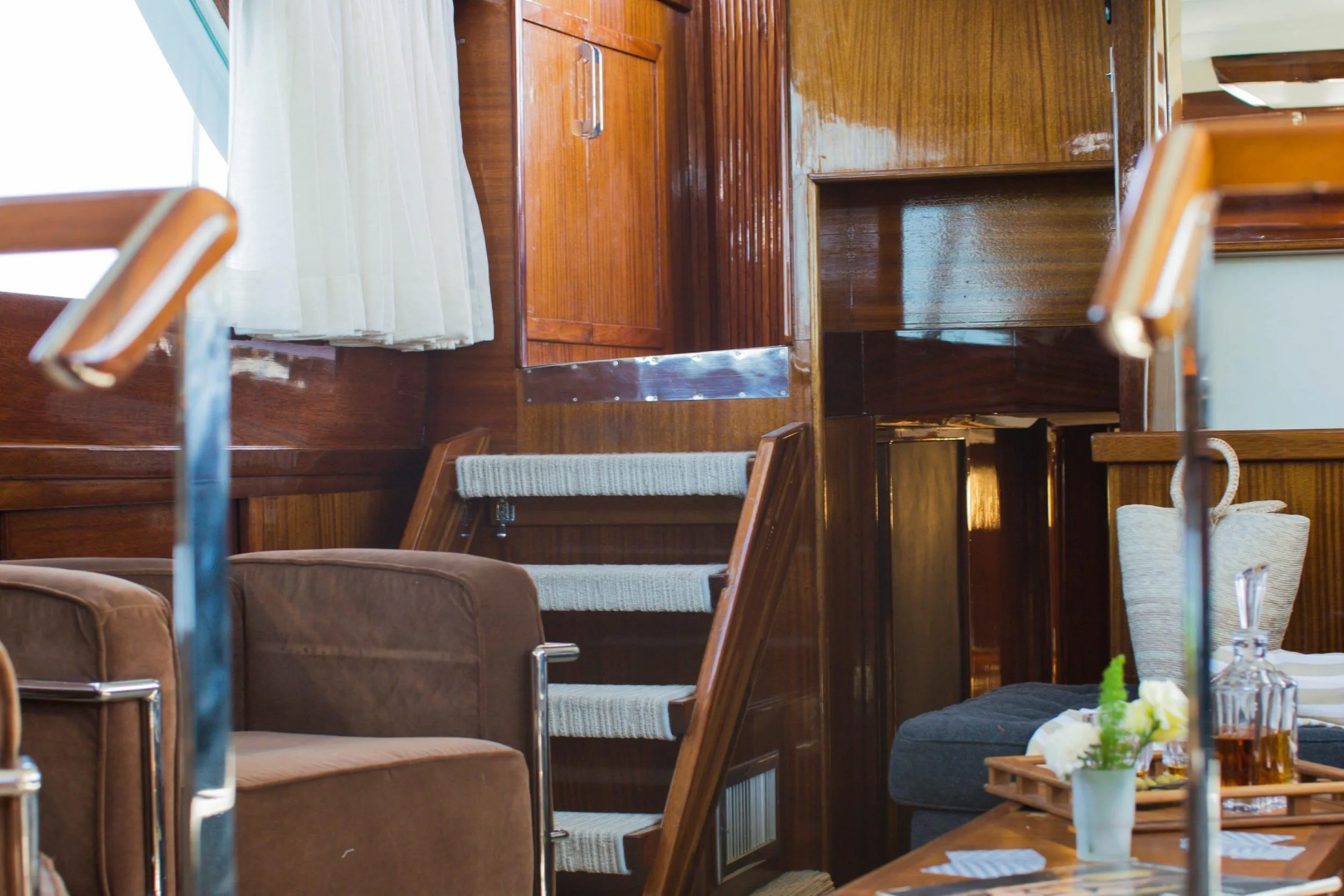
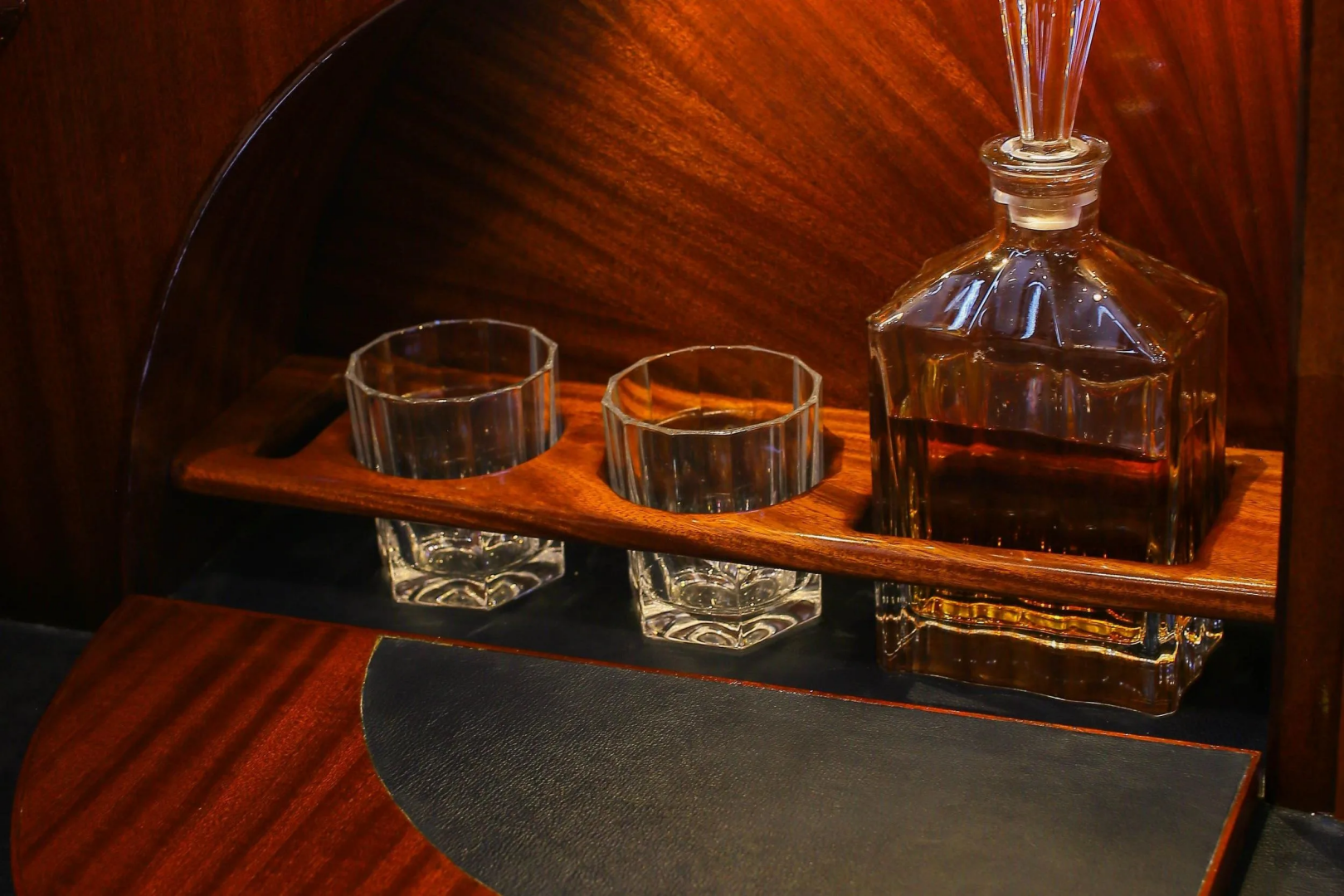
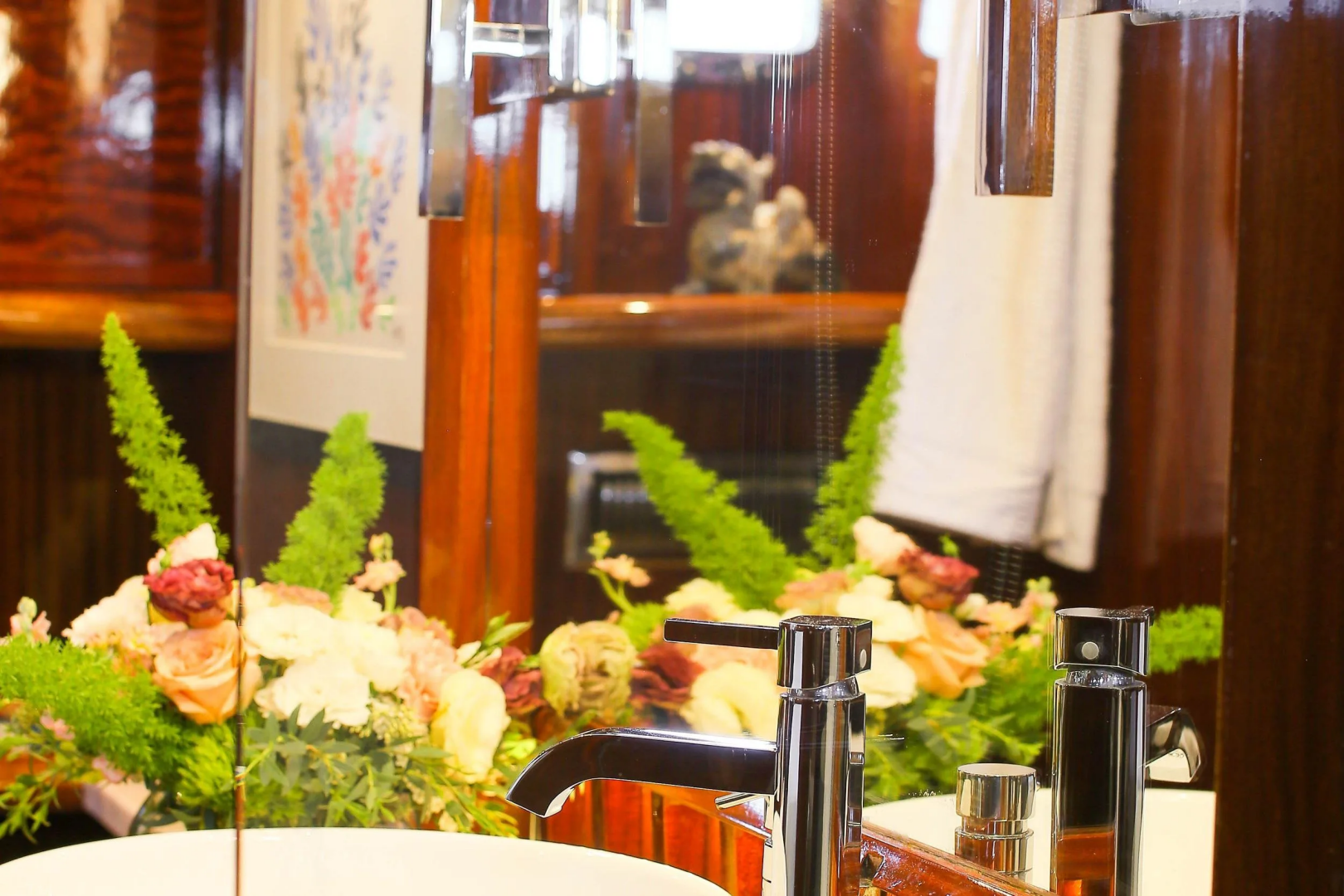
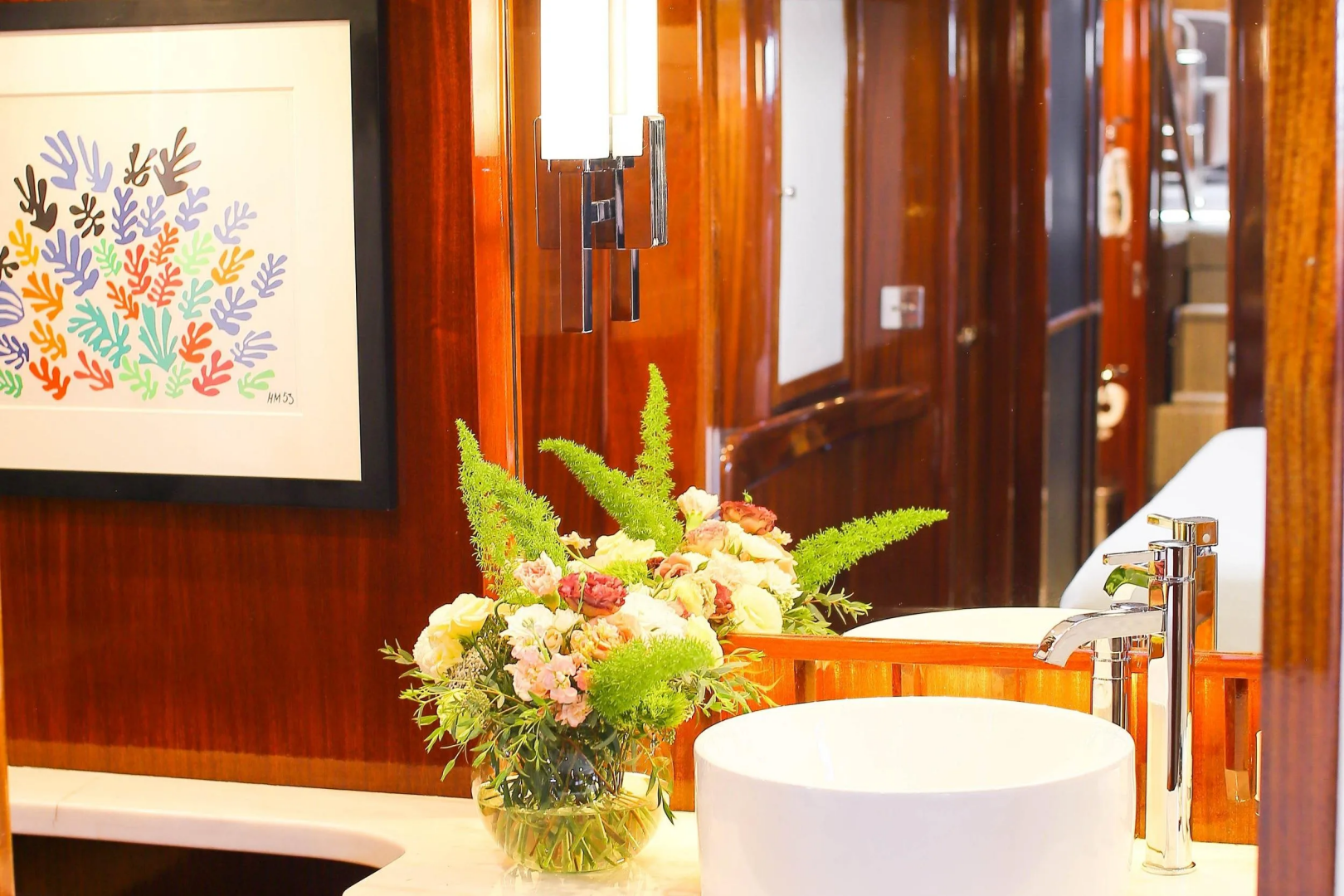
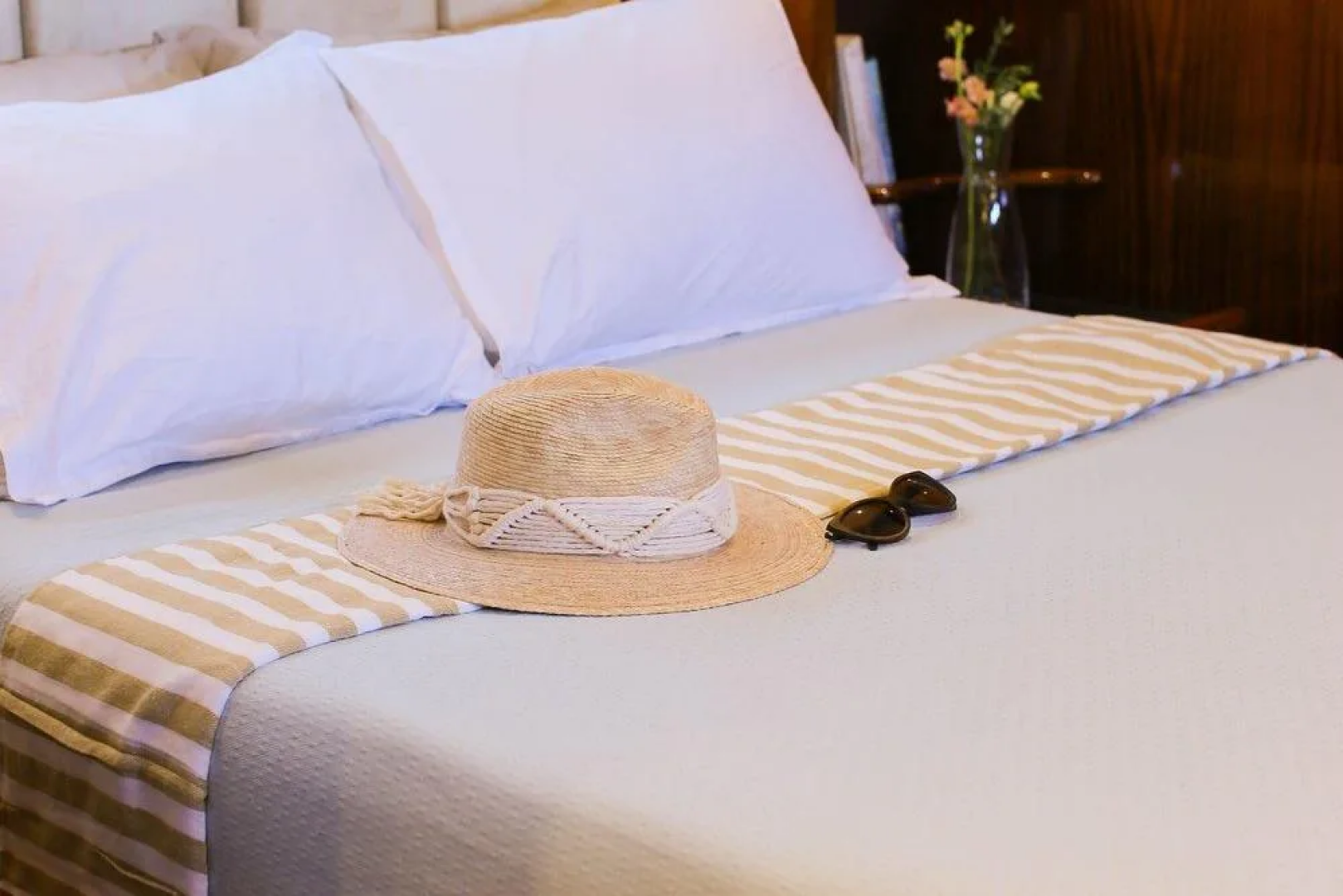
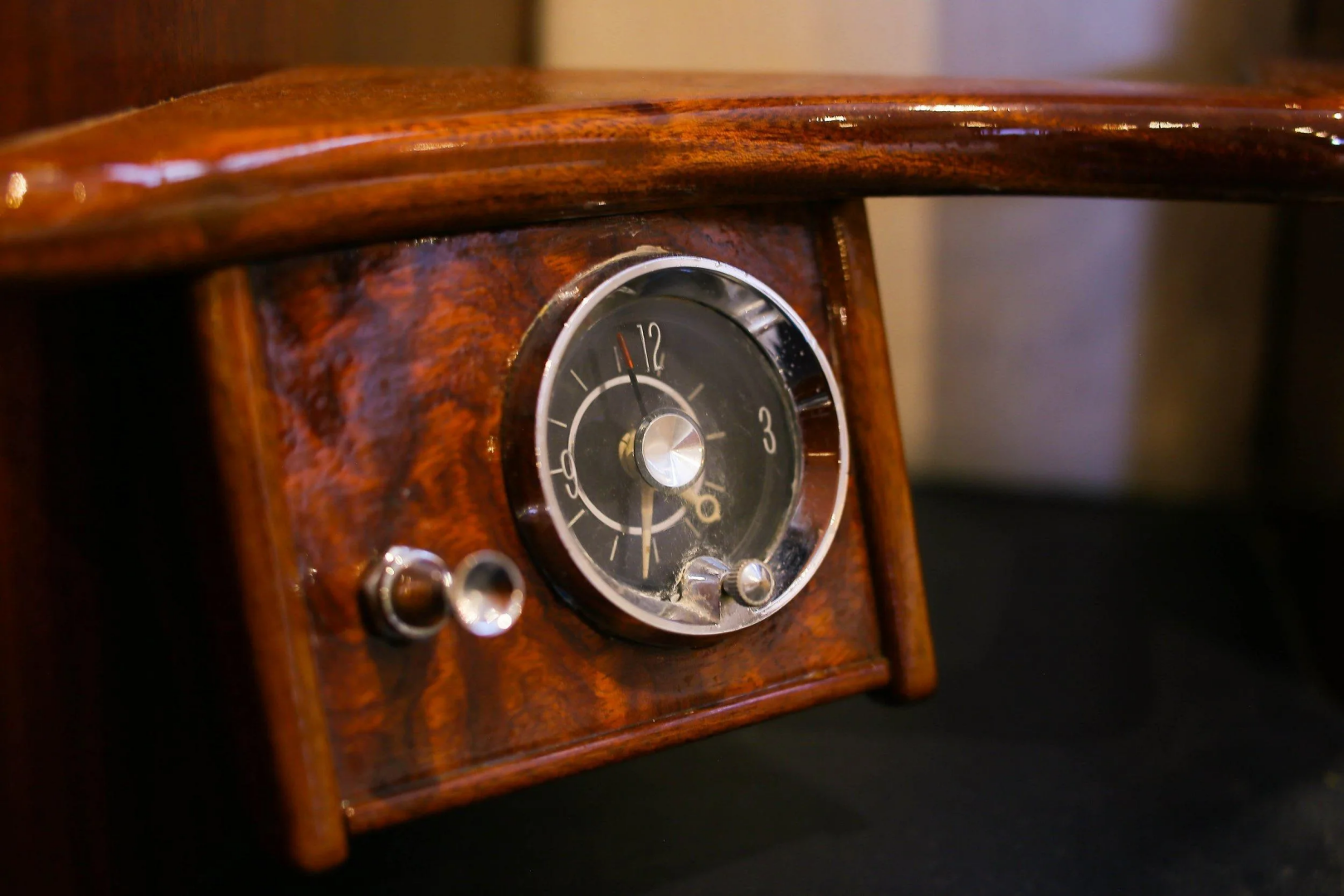
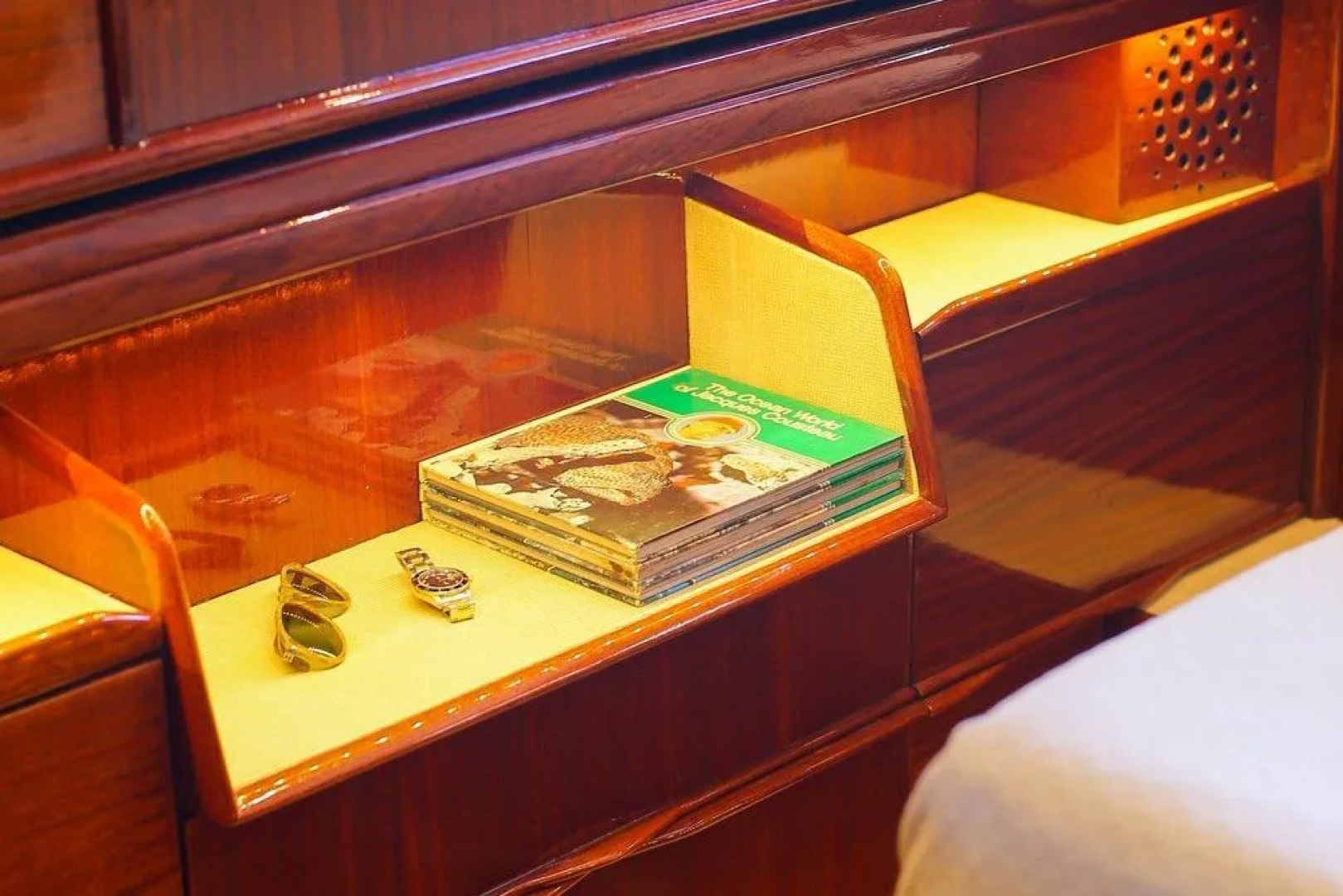
The interior refit was focused on making each cabin more luxurious, more comfortable, and quieter:
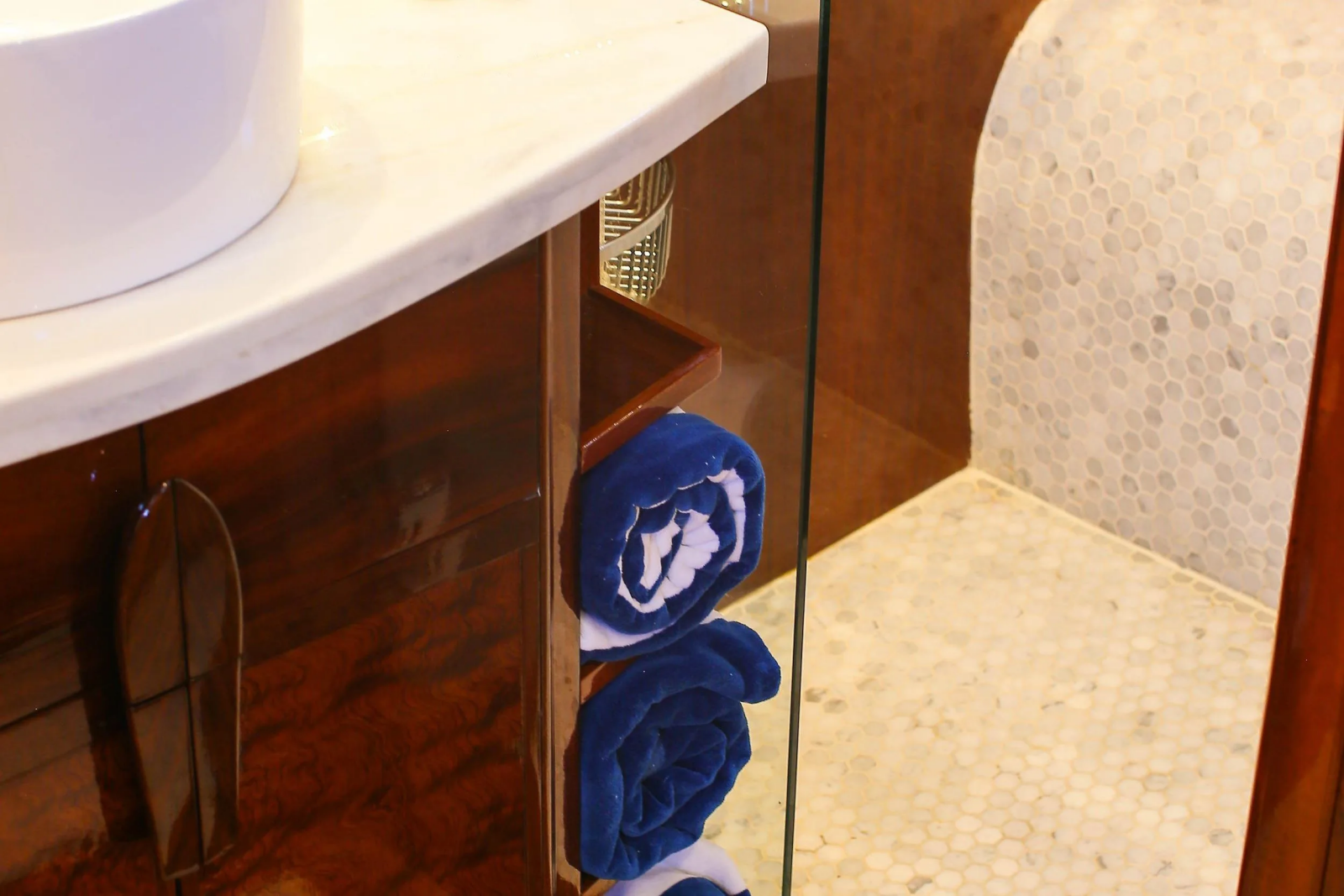
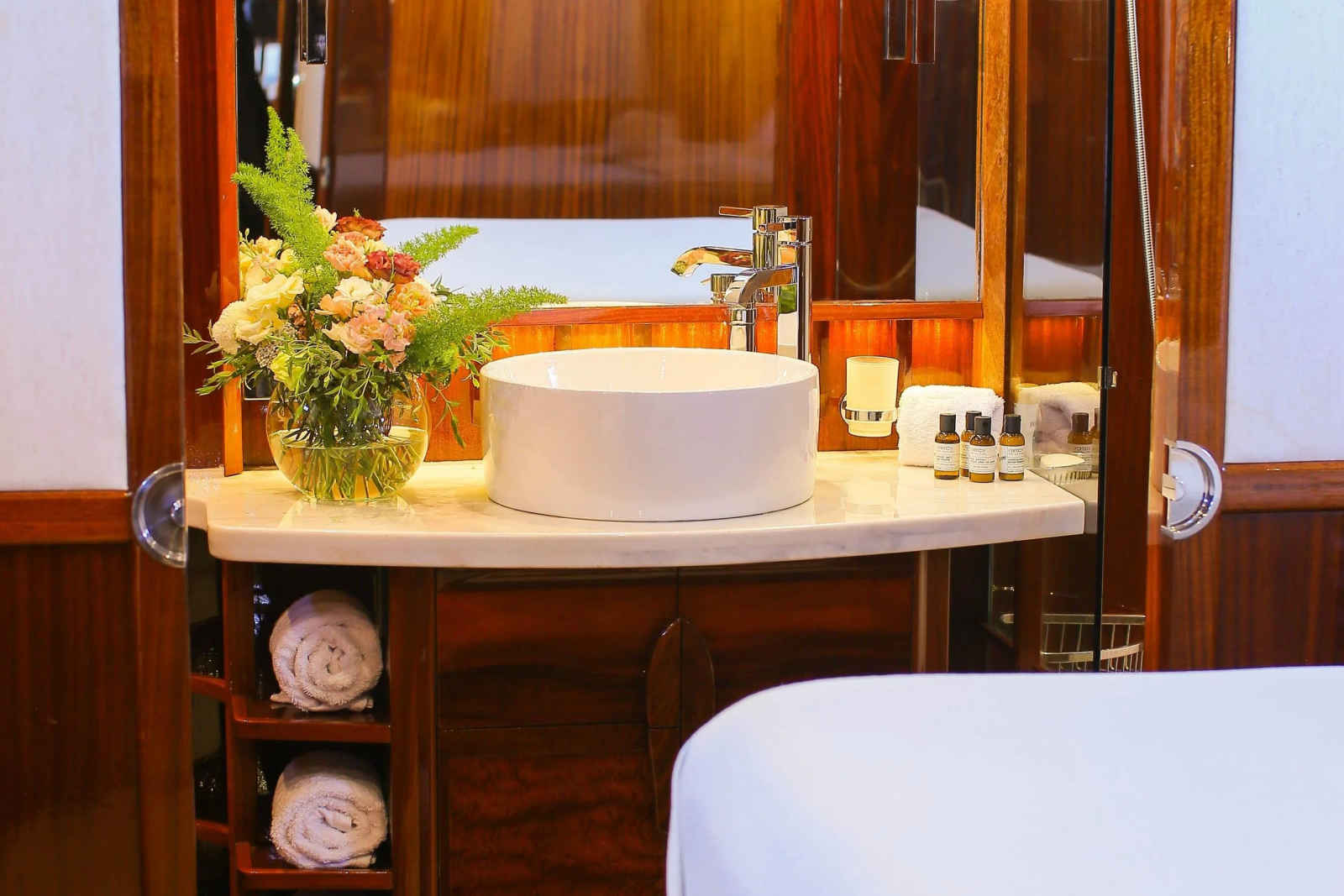
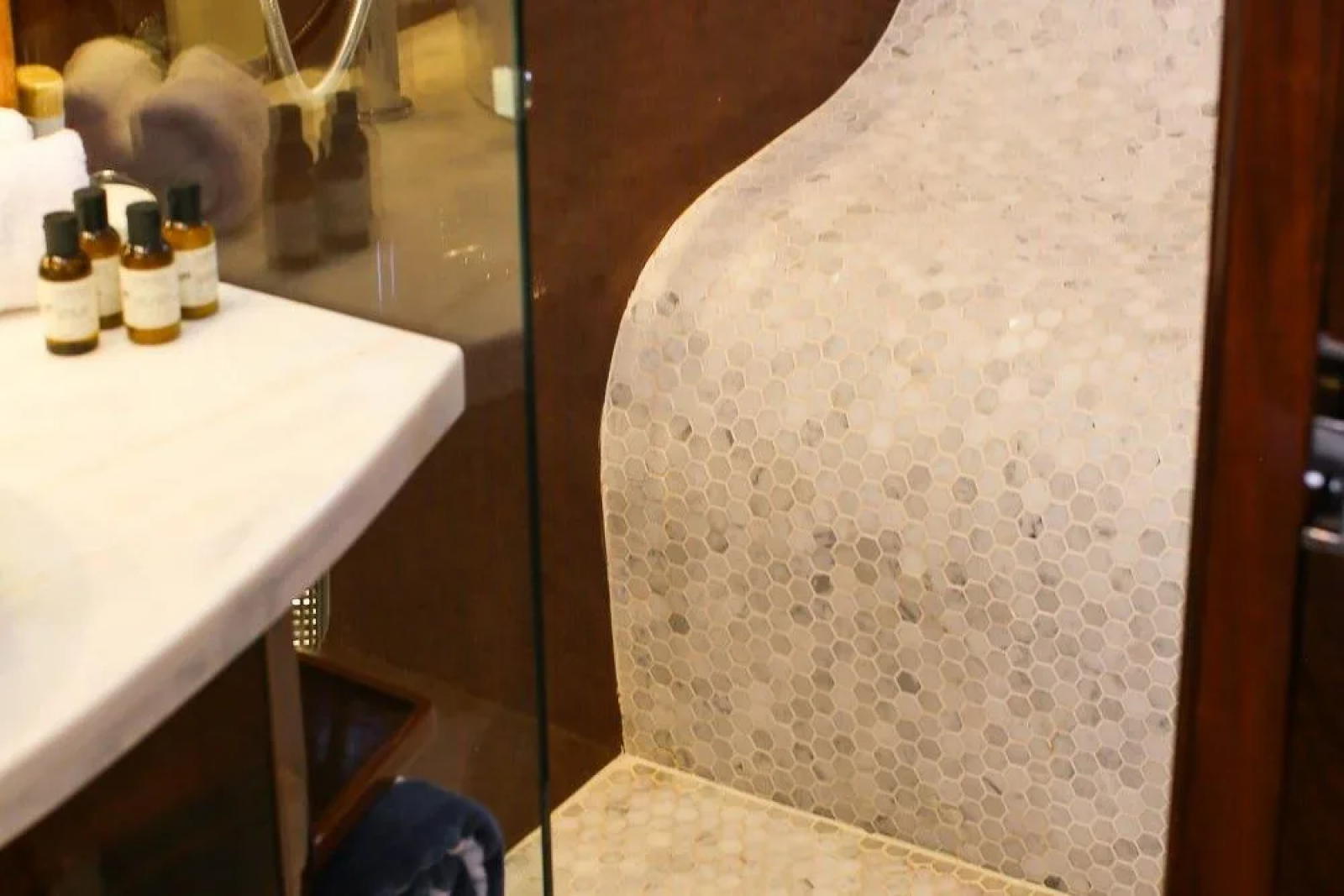
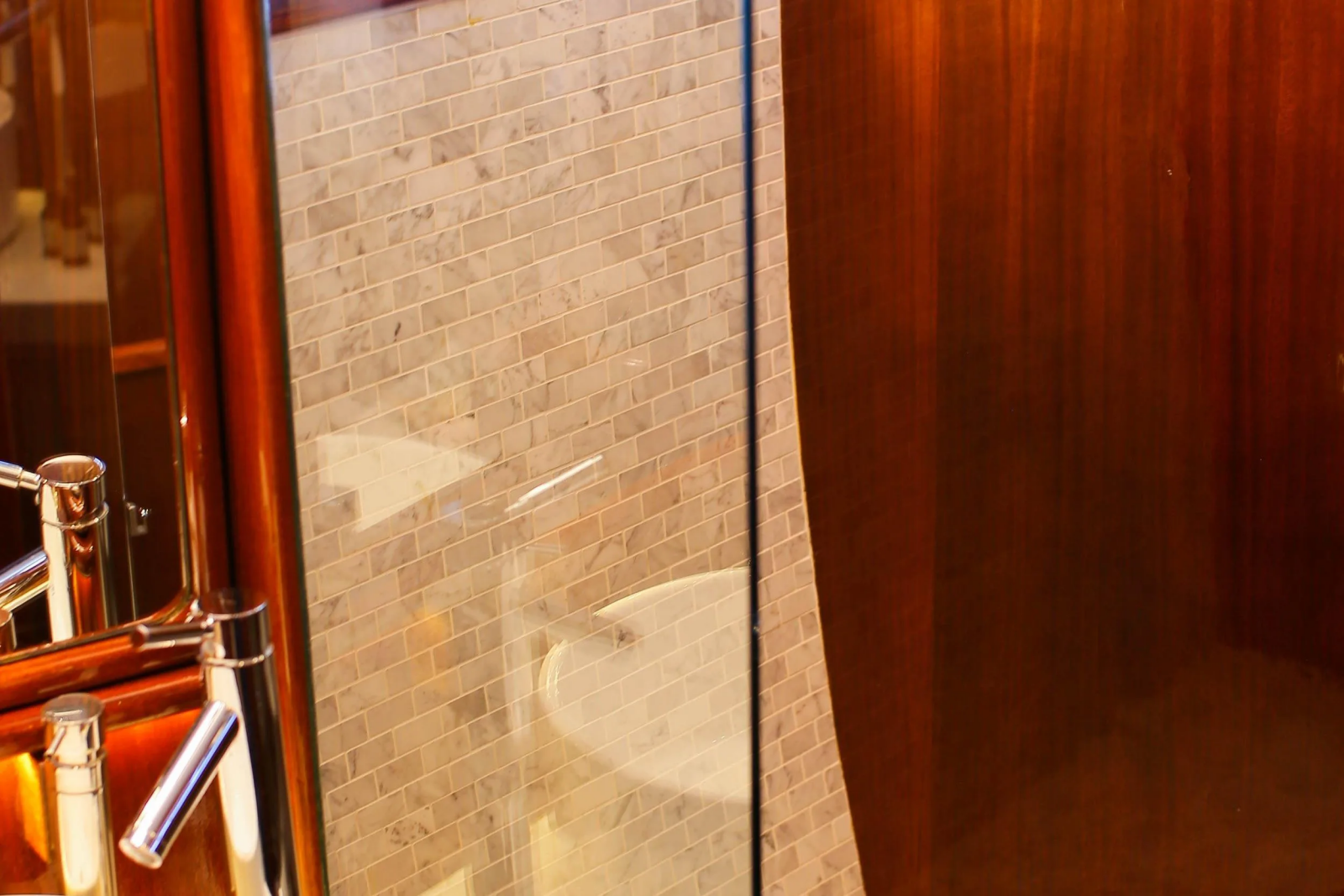
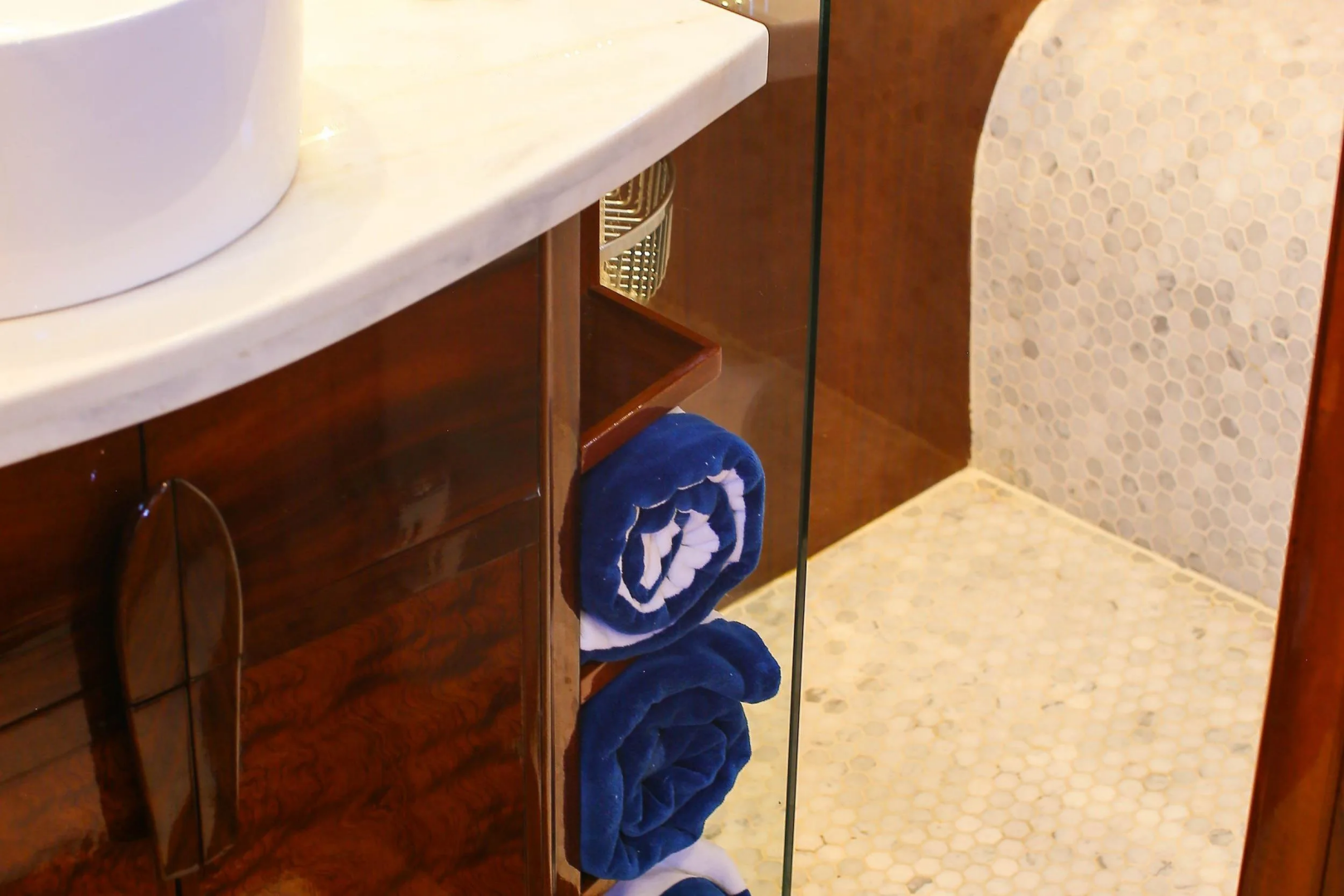
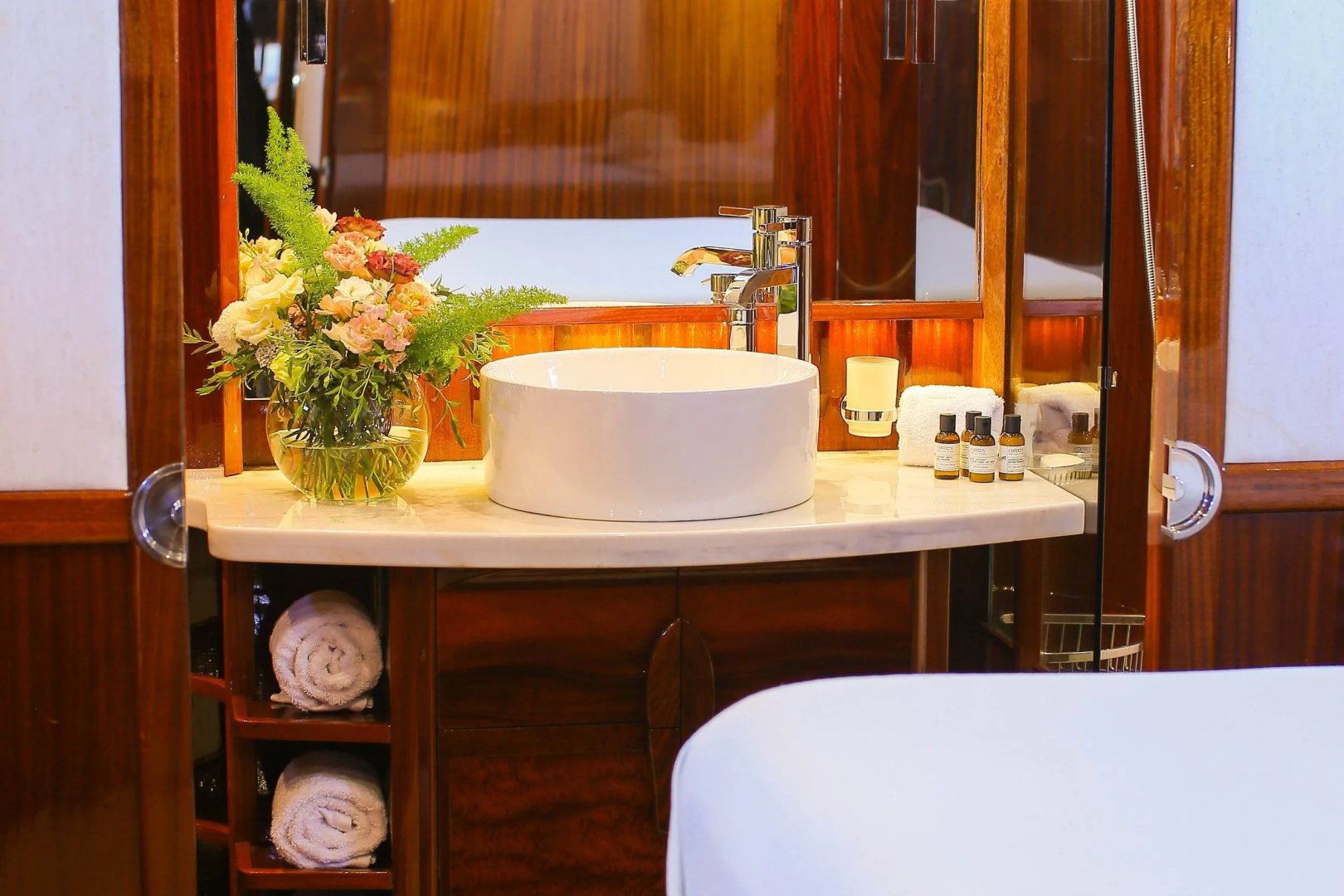
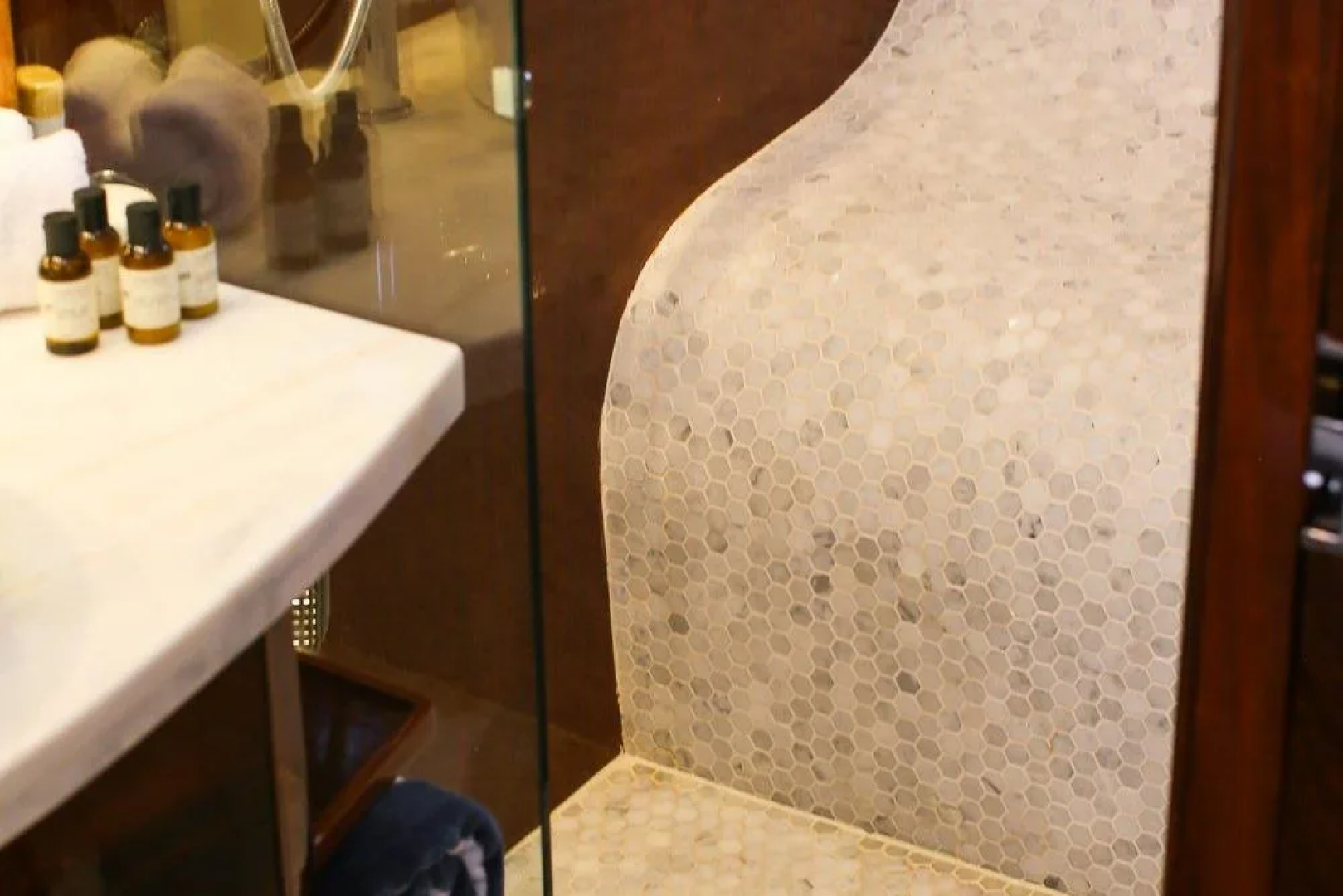
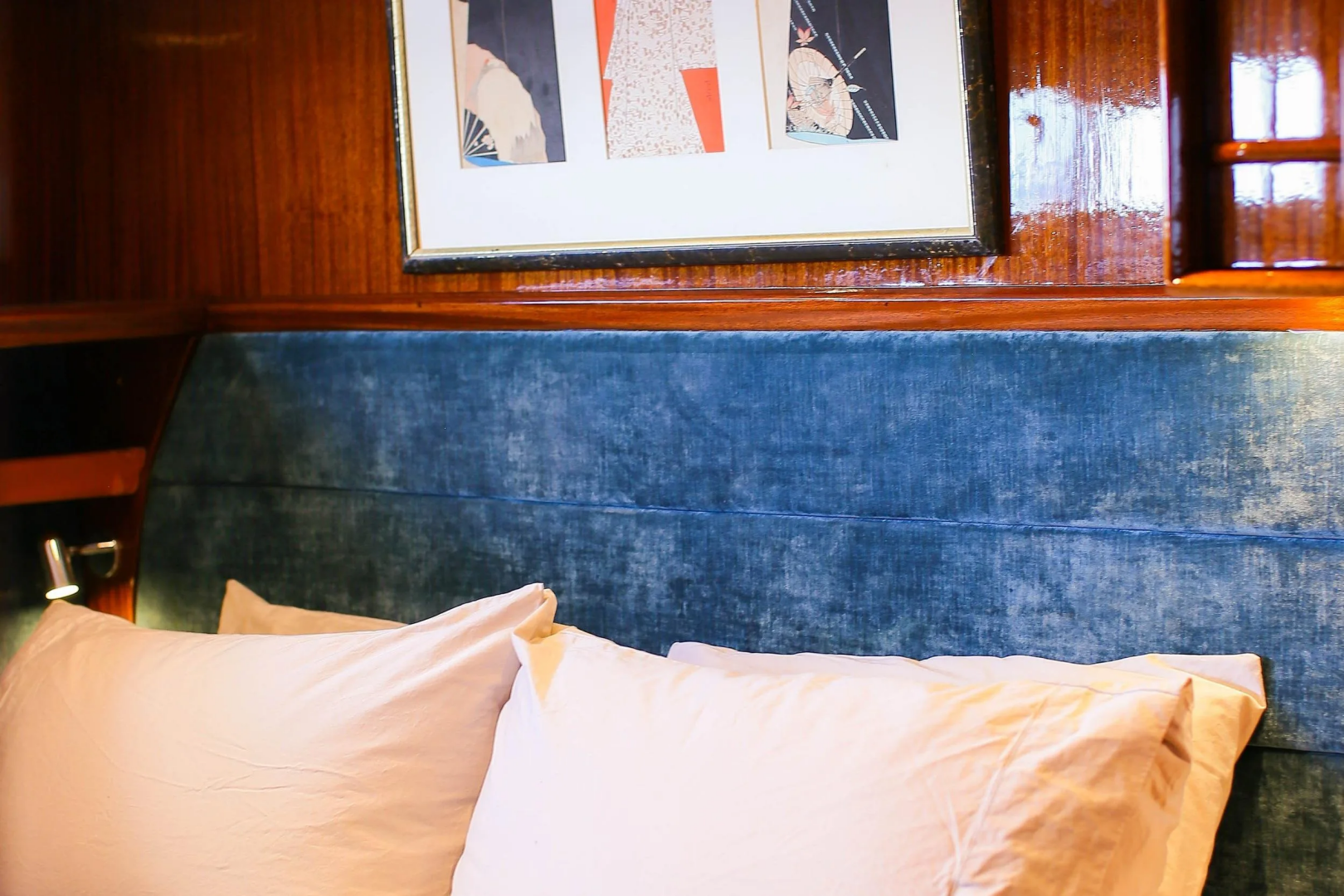
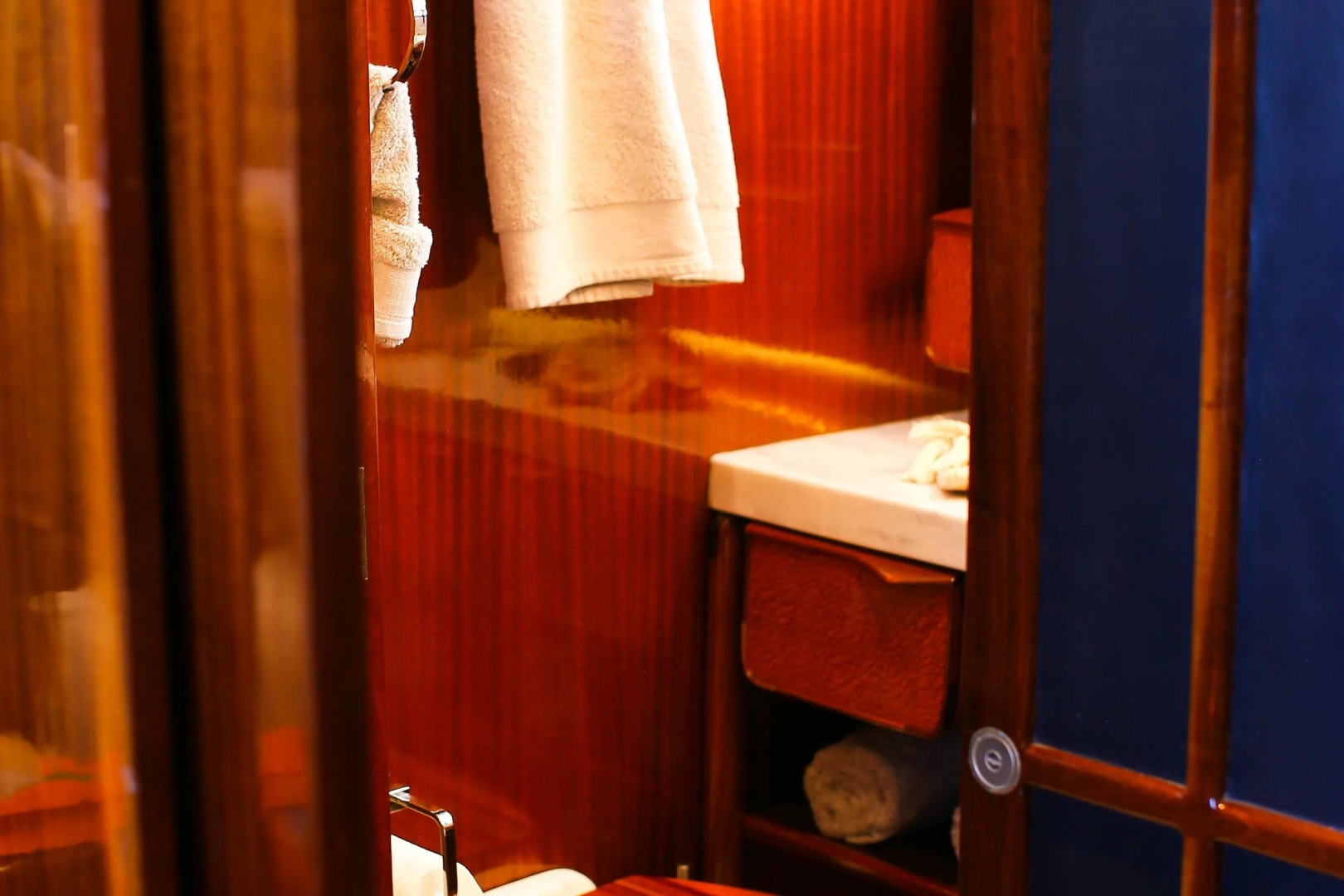
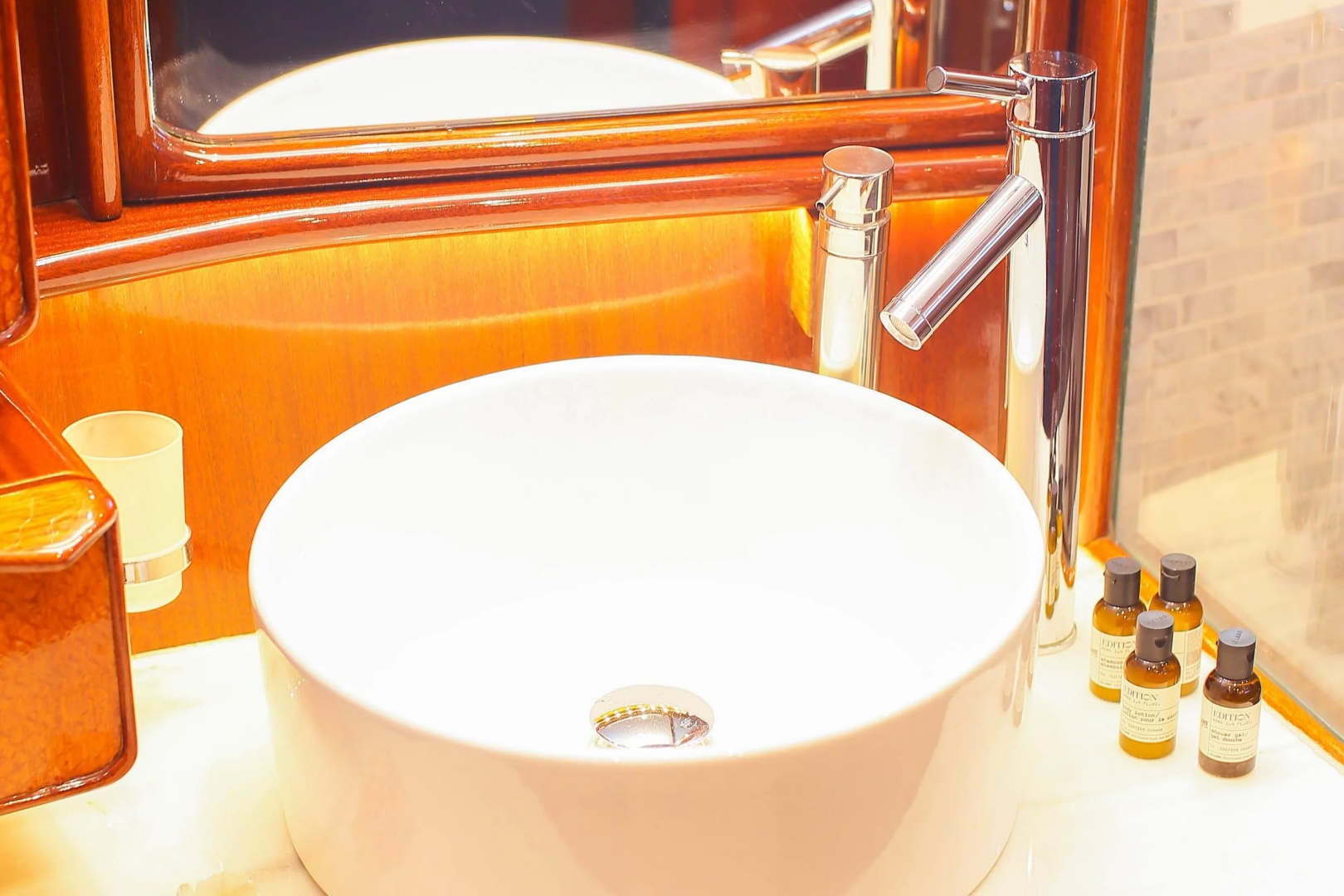
- Full-beam Owner’s Cabin with Full Bed, Dual closets, and Full-beam bathroom and Walk-in Shower:
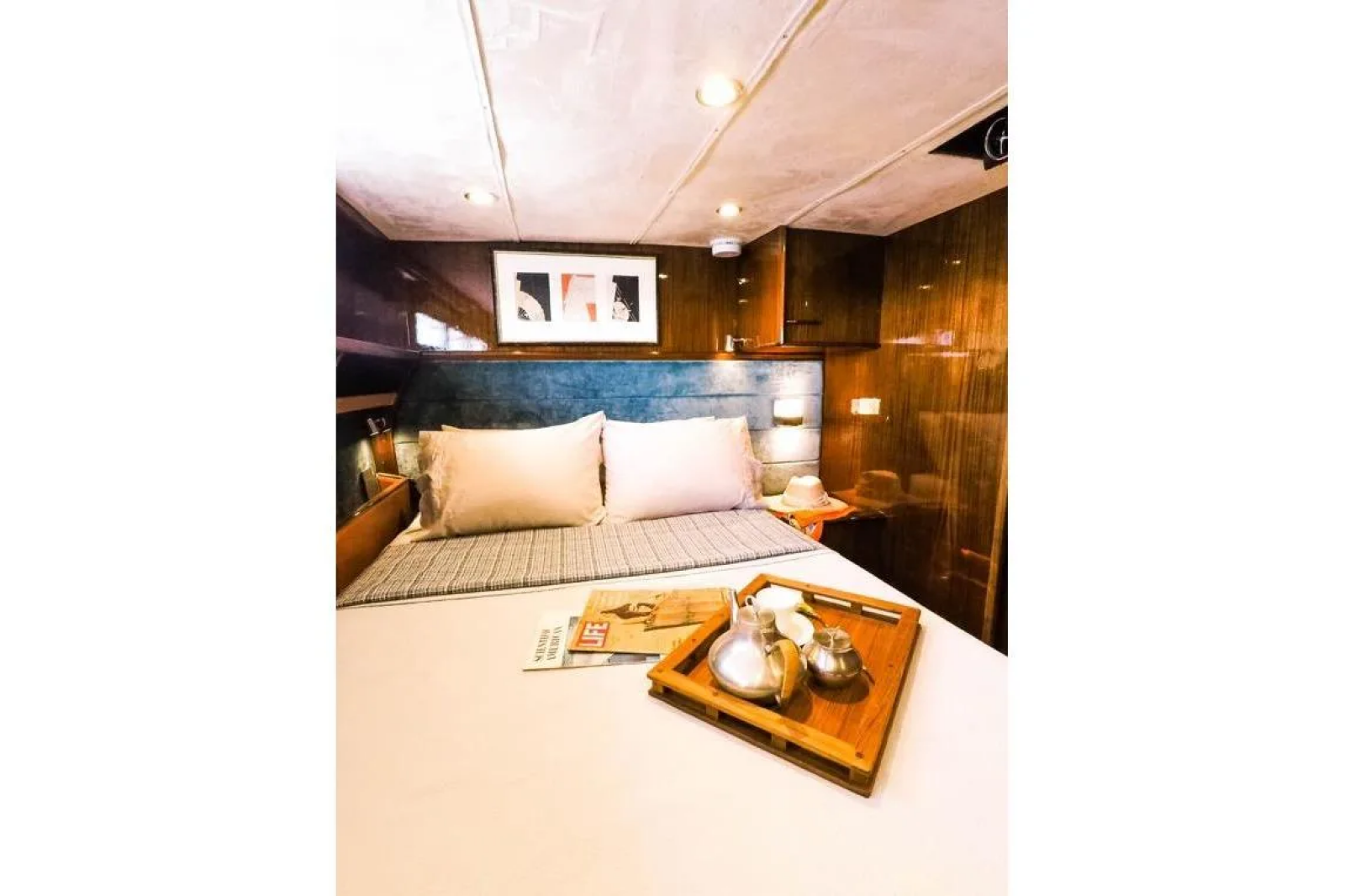
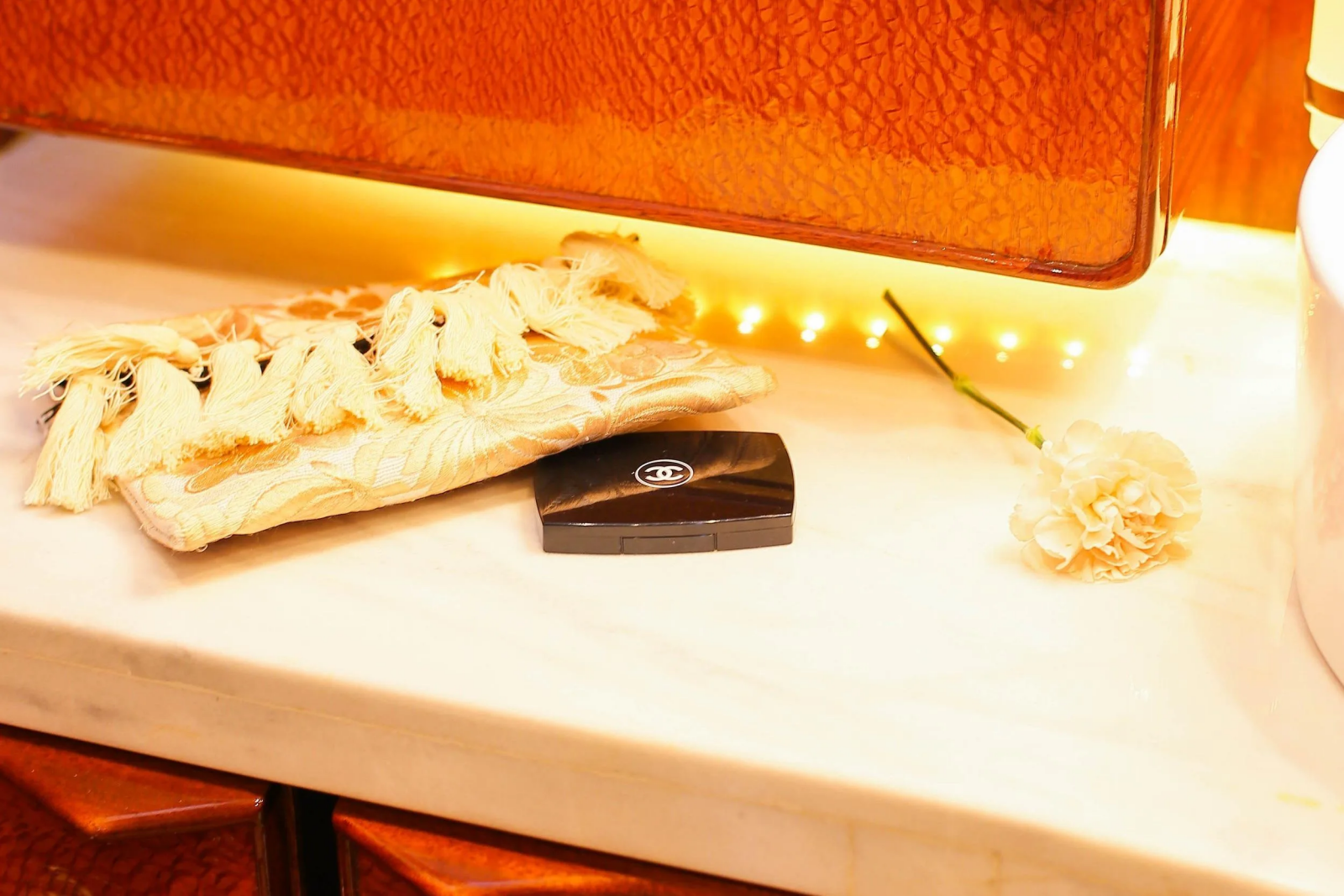
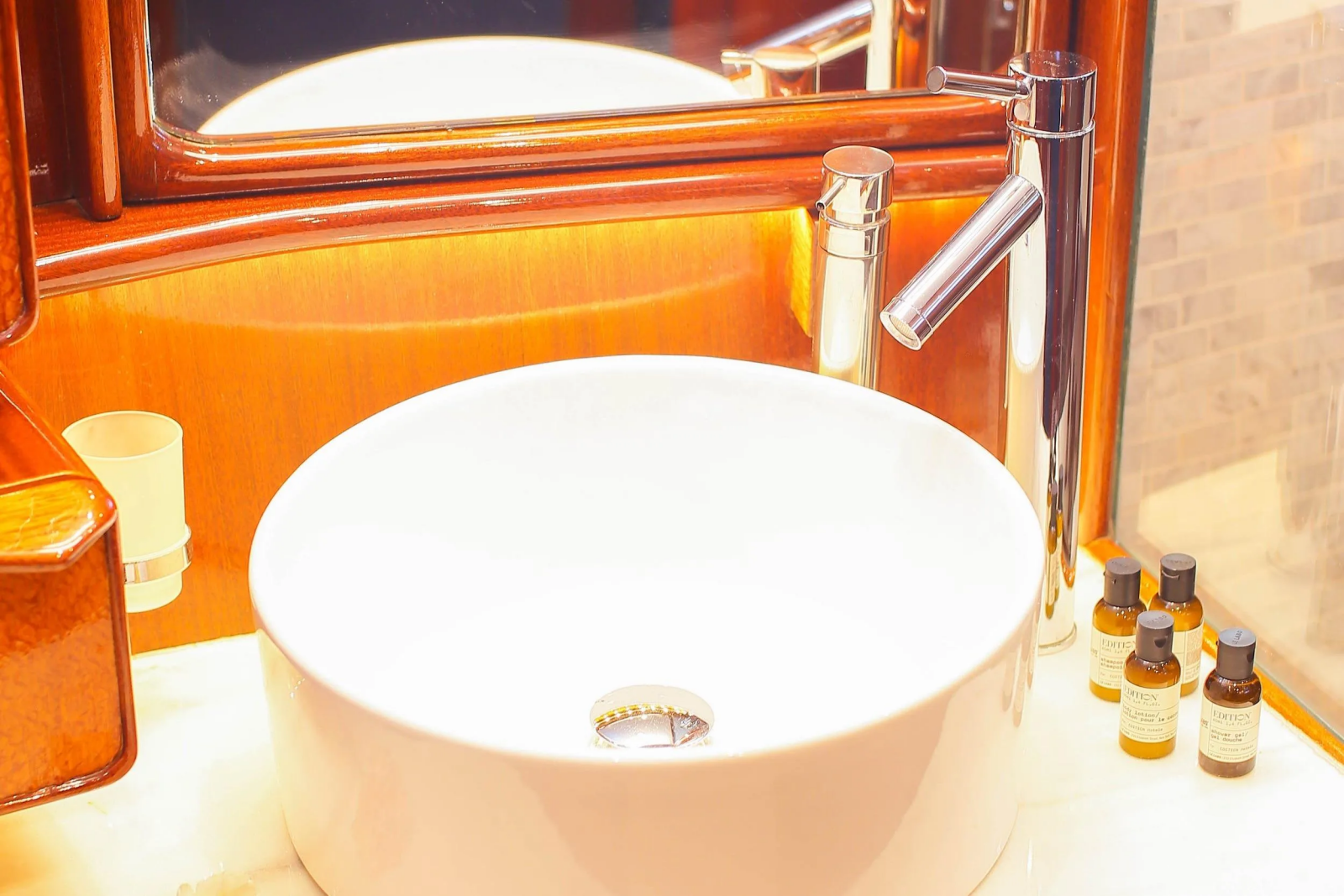
- Guest Cabin with Full Bed, Full closets, and Bathroom with Dedicated Shower
- Expanded Hallway Storage and Linen Closet
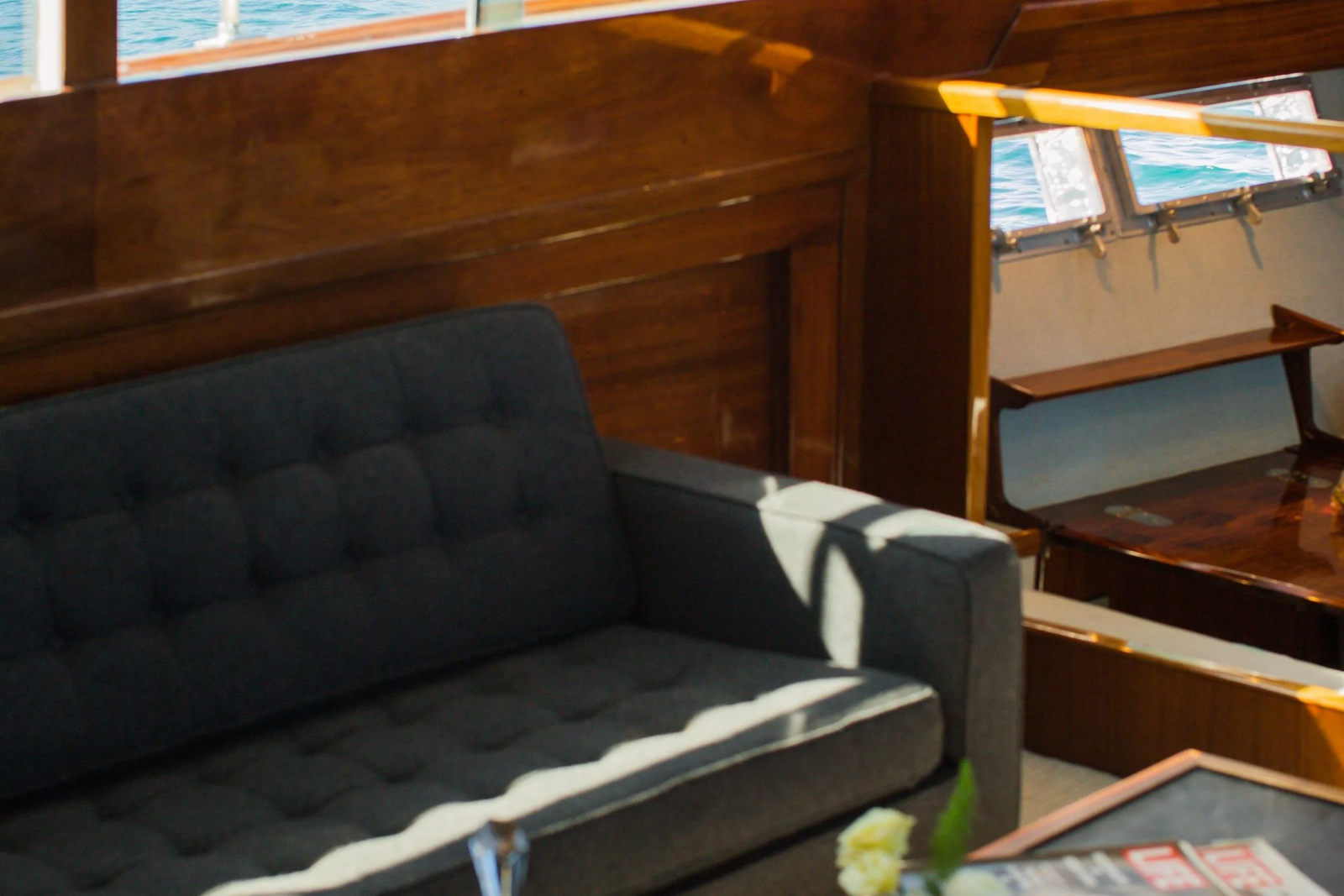
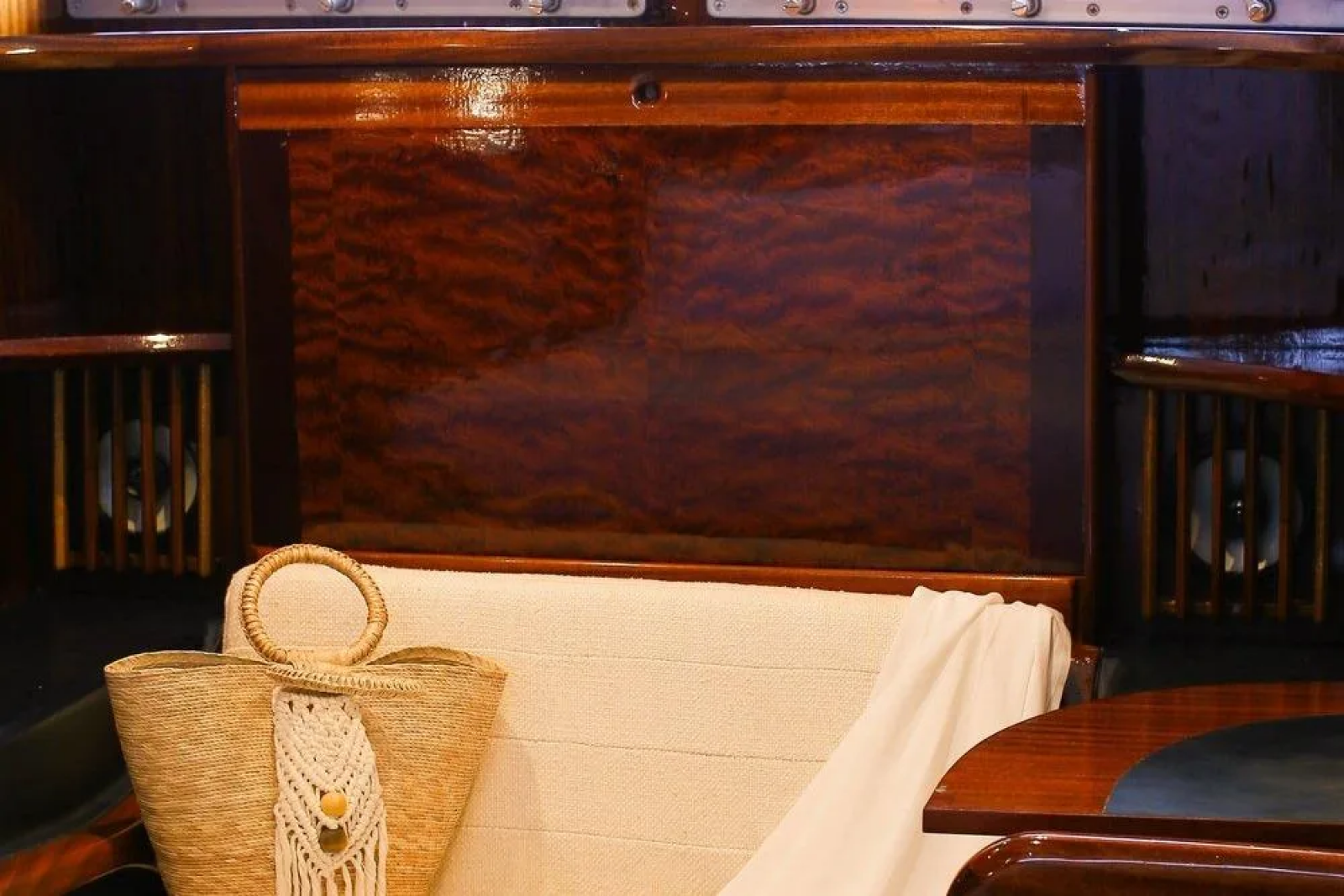
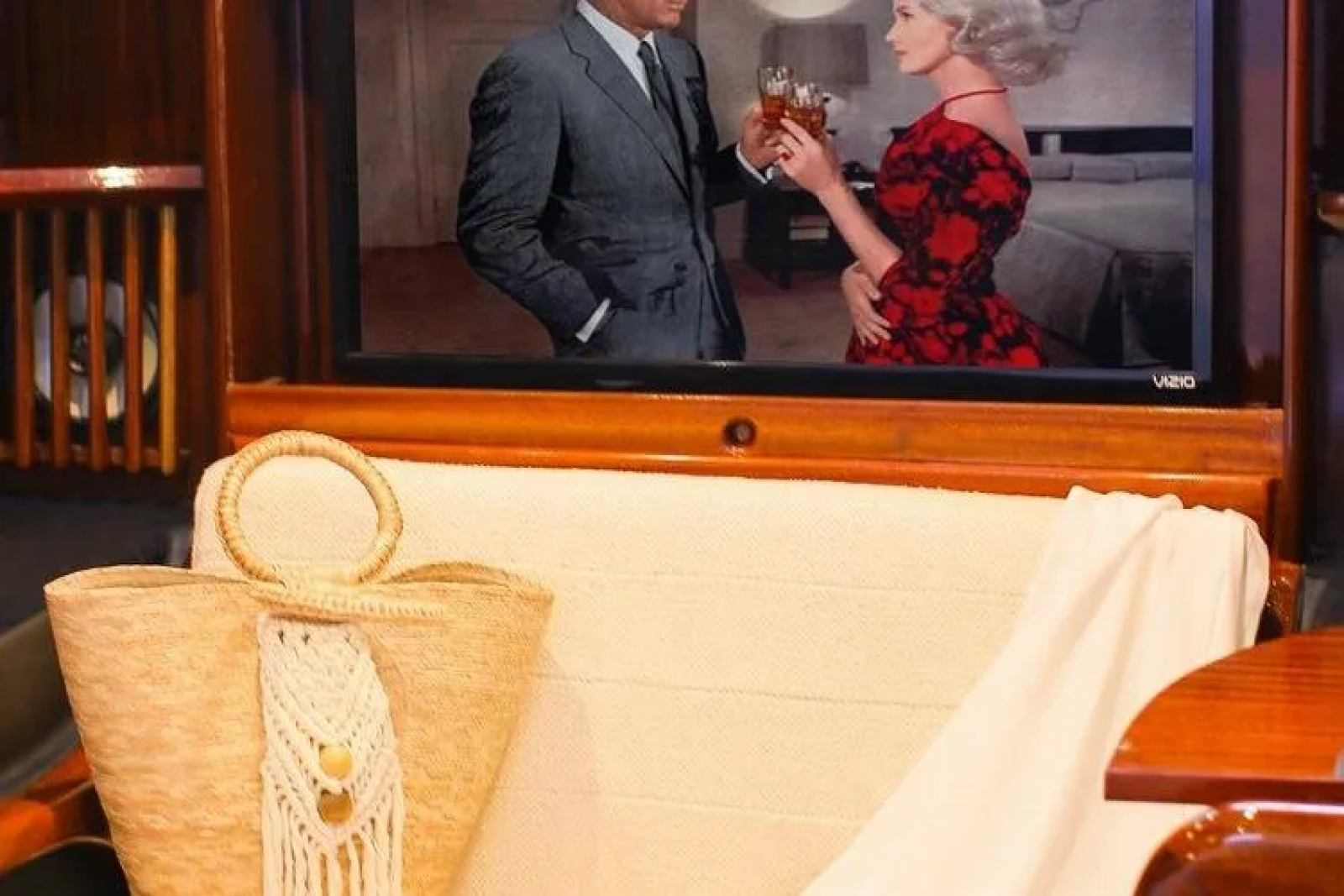
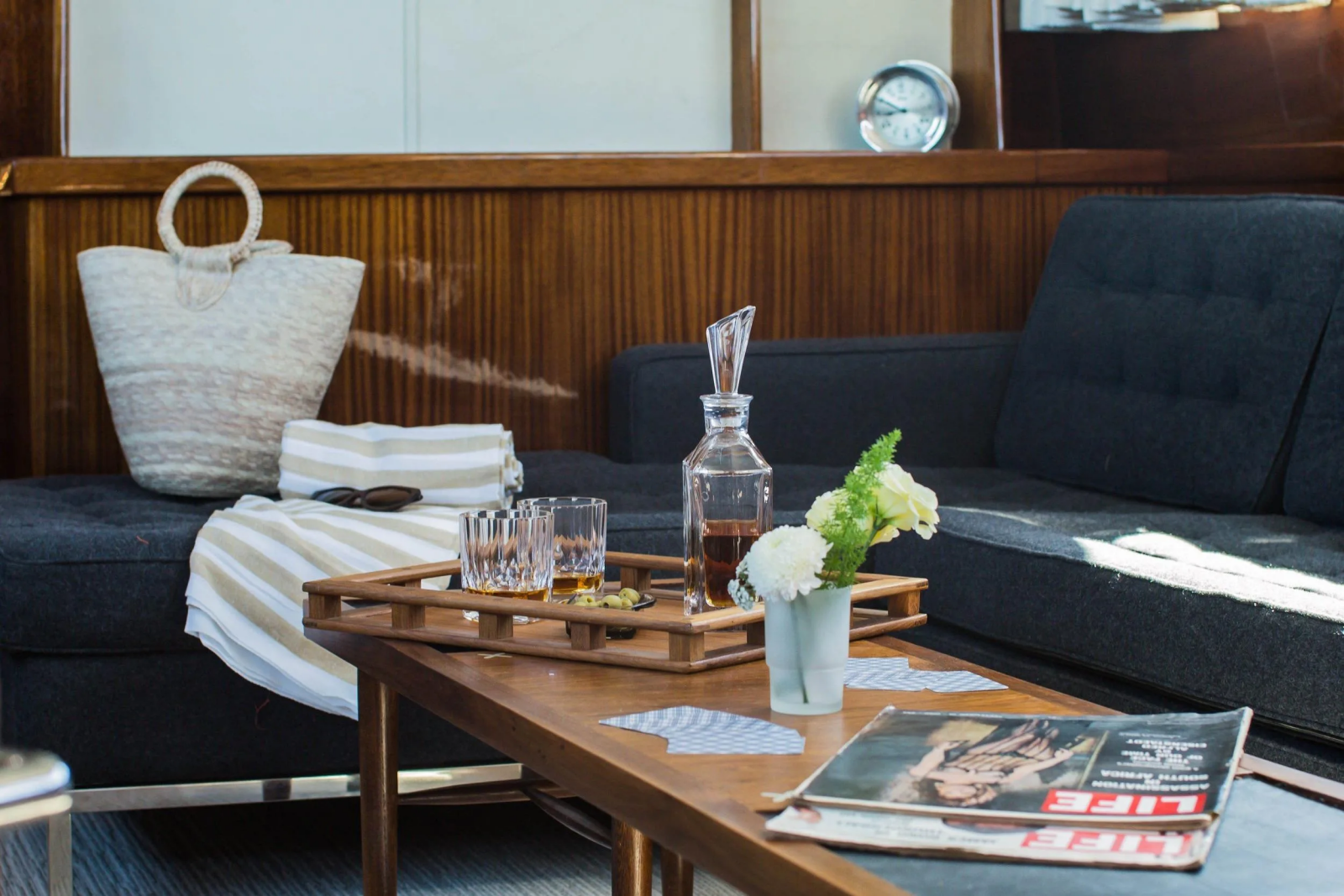
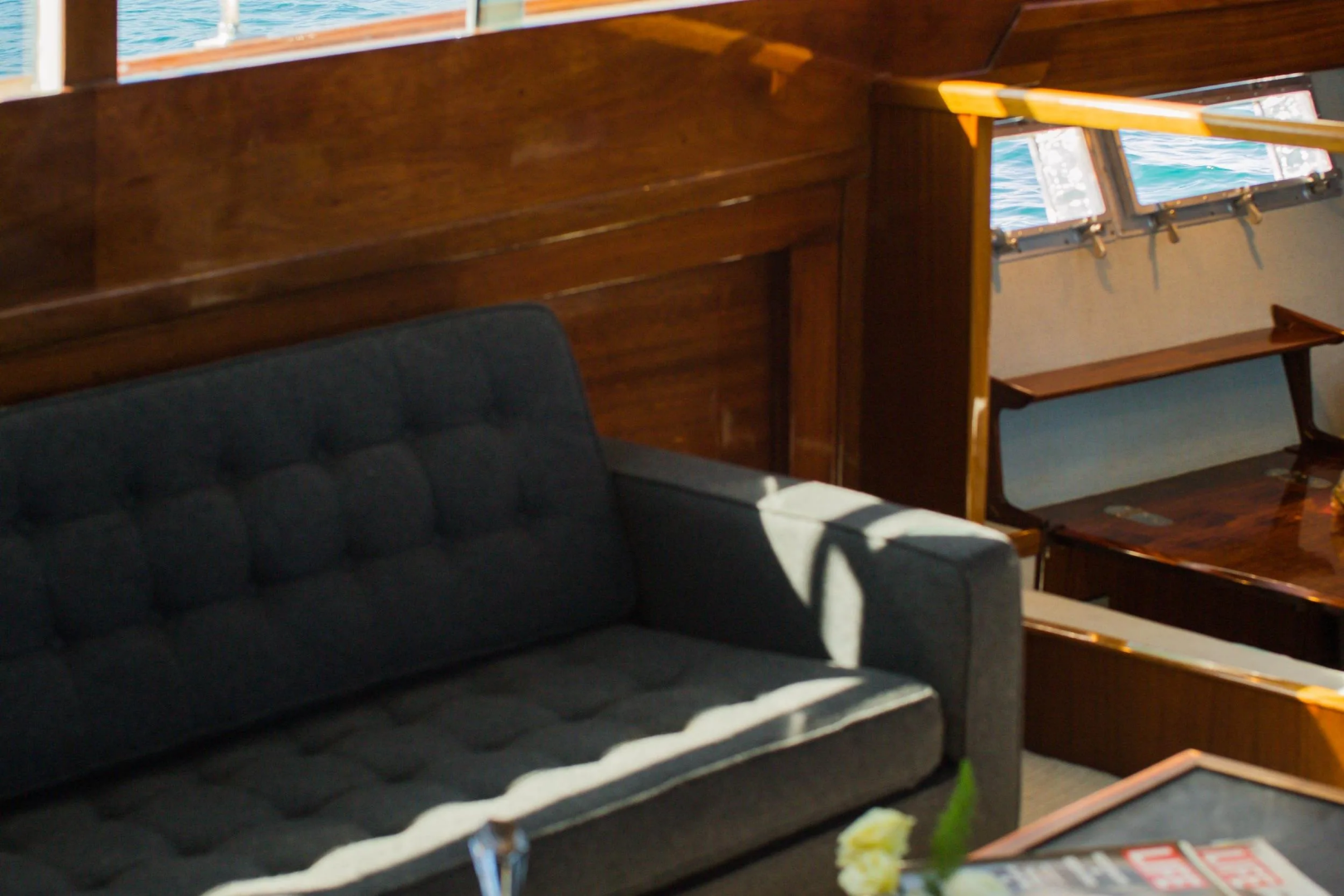
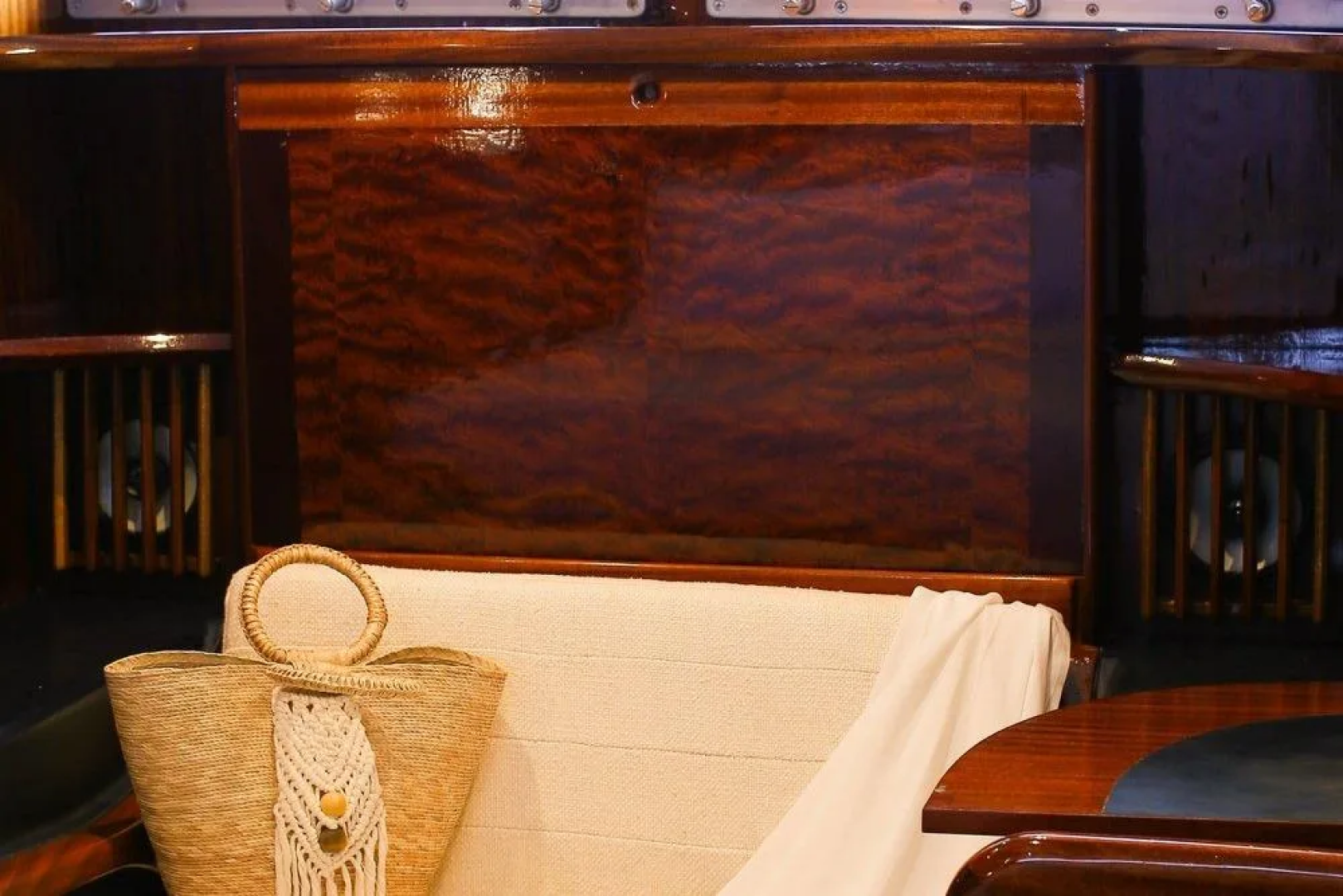
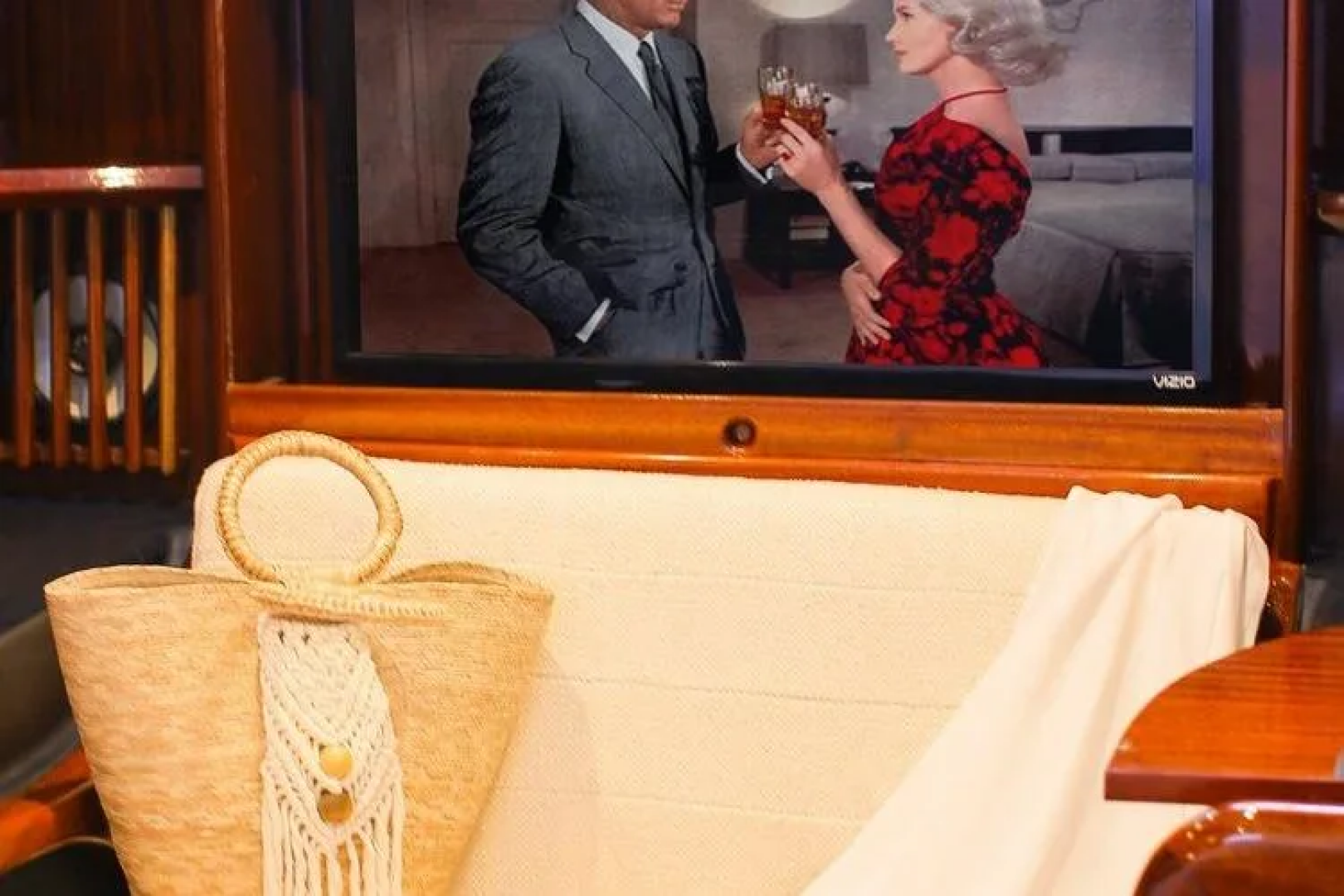
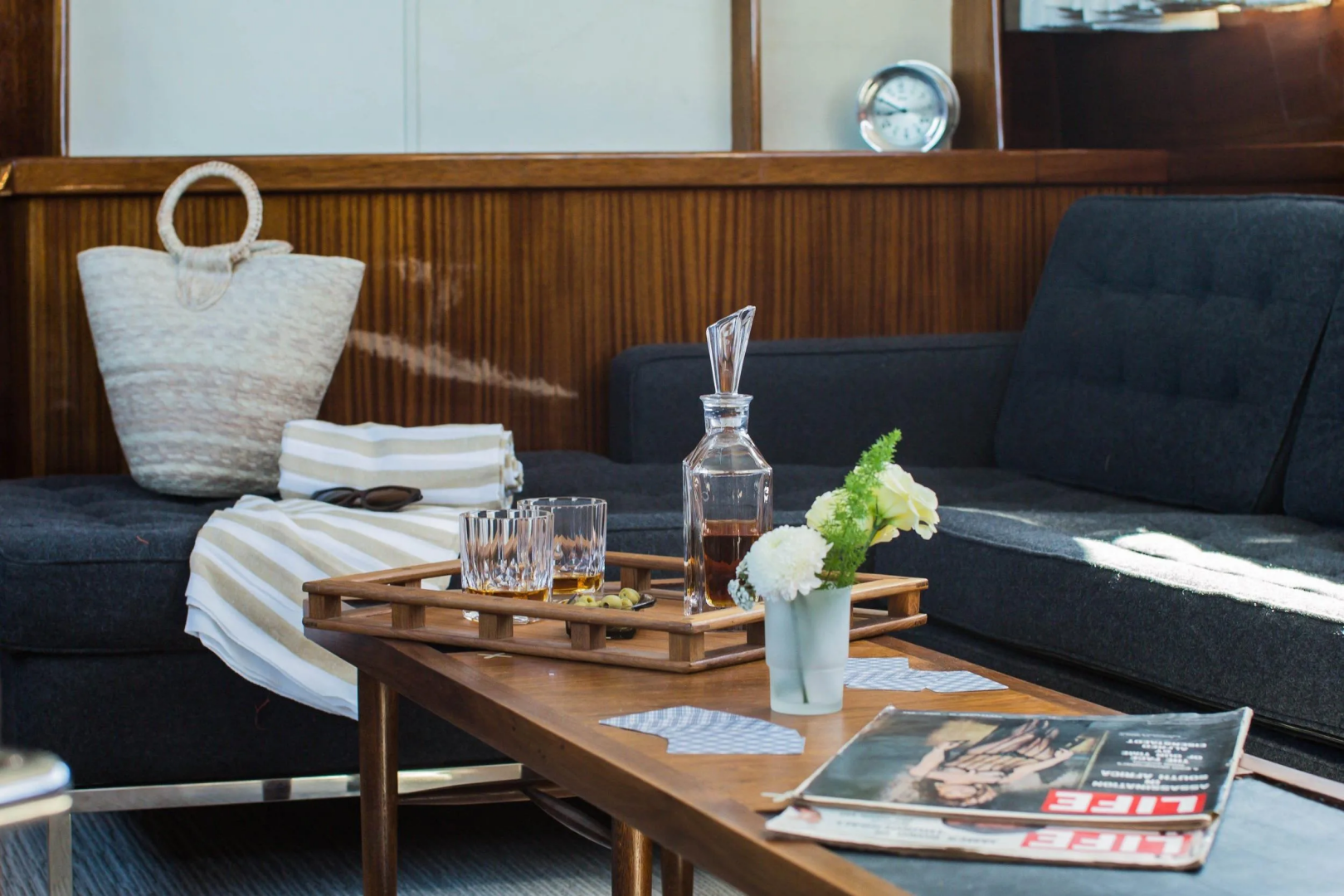
- Salon with Custom Furnishings, Concealed TV and Home Theater
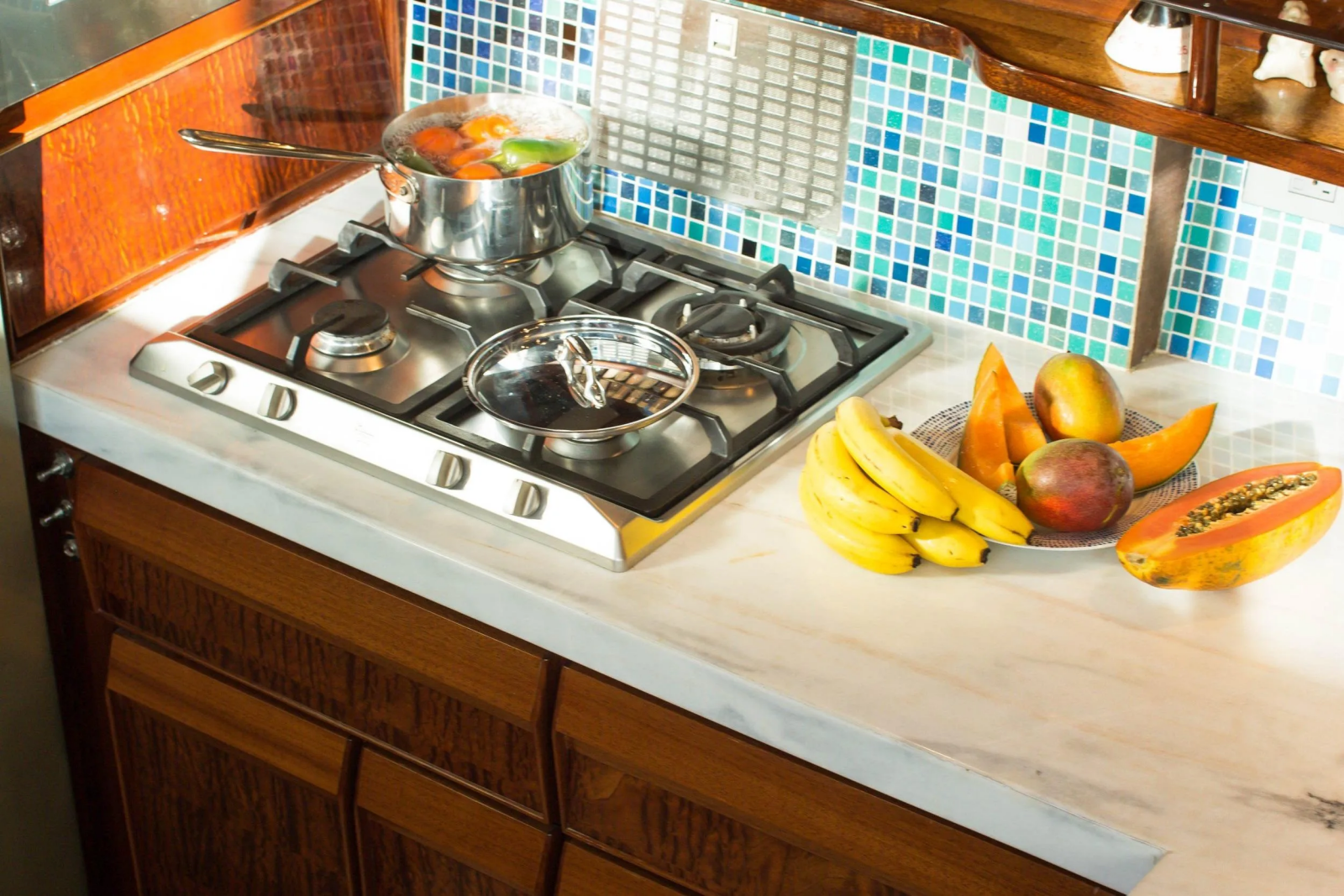
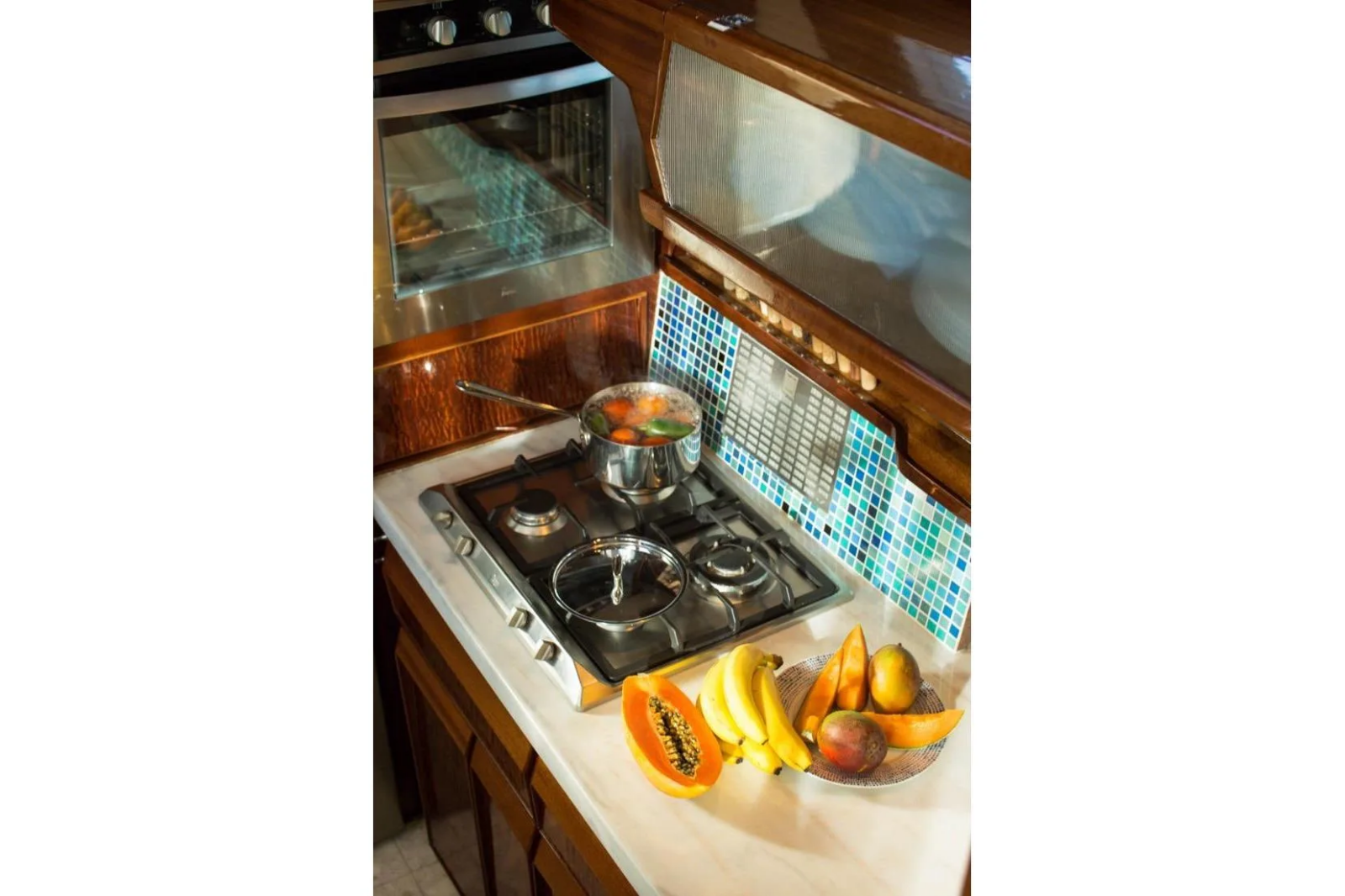
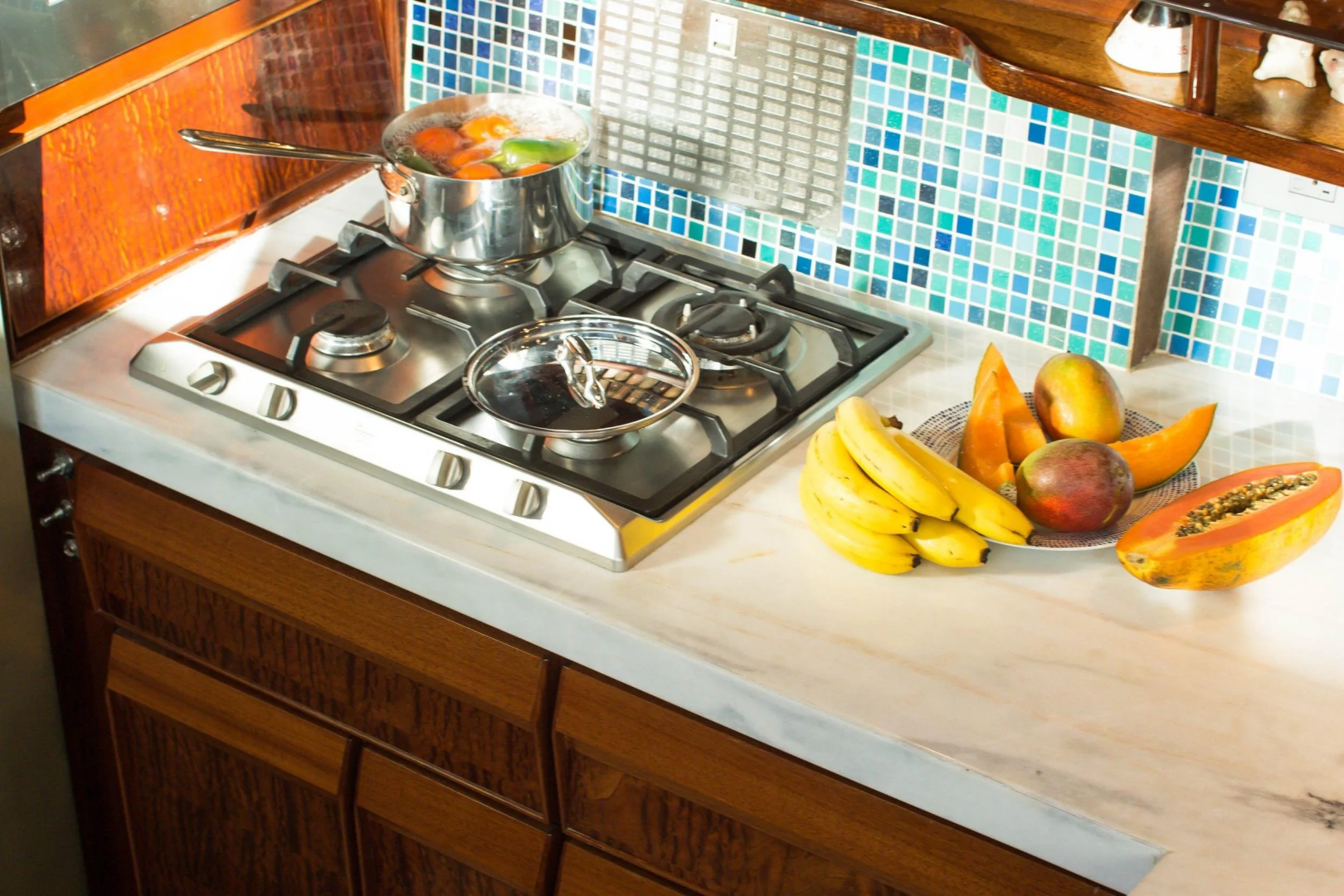
- Completely modernized kitchen with modern propane appliances, high efficiency refrigerator, and convertible dinette with significant additional storage
The owner wanted the boat to be extremely comfortable and extremely usable for large groups on day trips as well as weeklong Island adventures, with space to accommodate a crew or the simplicity that allowed for owner operation. To this end, the original layout was changed to incorporate more spacious and private cabins, each with full bathrooms and showers and dedicated, uncompromised storage spaces.
At every opportunity of the reconstruction, the team took the opportunity to add strength and convenience: in doubling roof beams and adding stainless steel structures to add rigidity, adding storage areas where there were previously empty voids, and installing noise reducing insulation wherever possible.
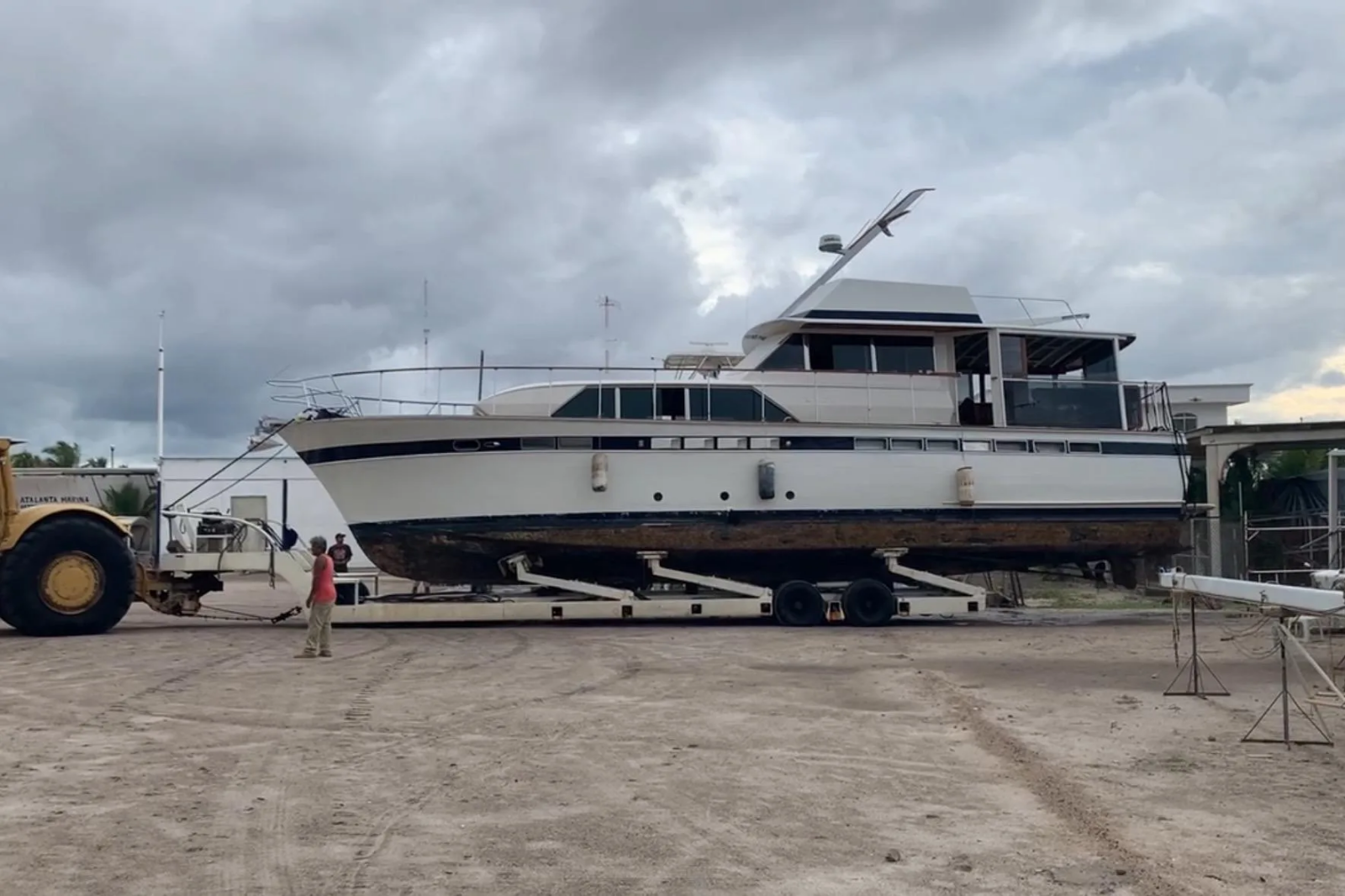
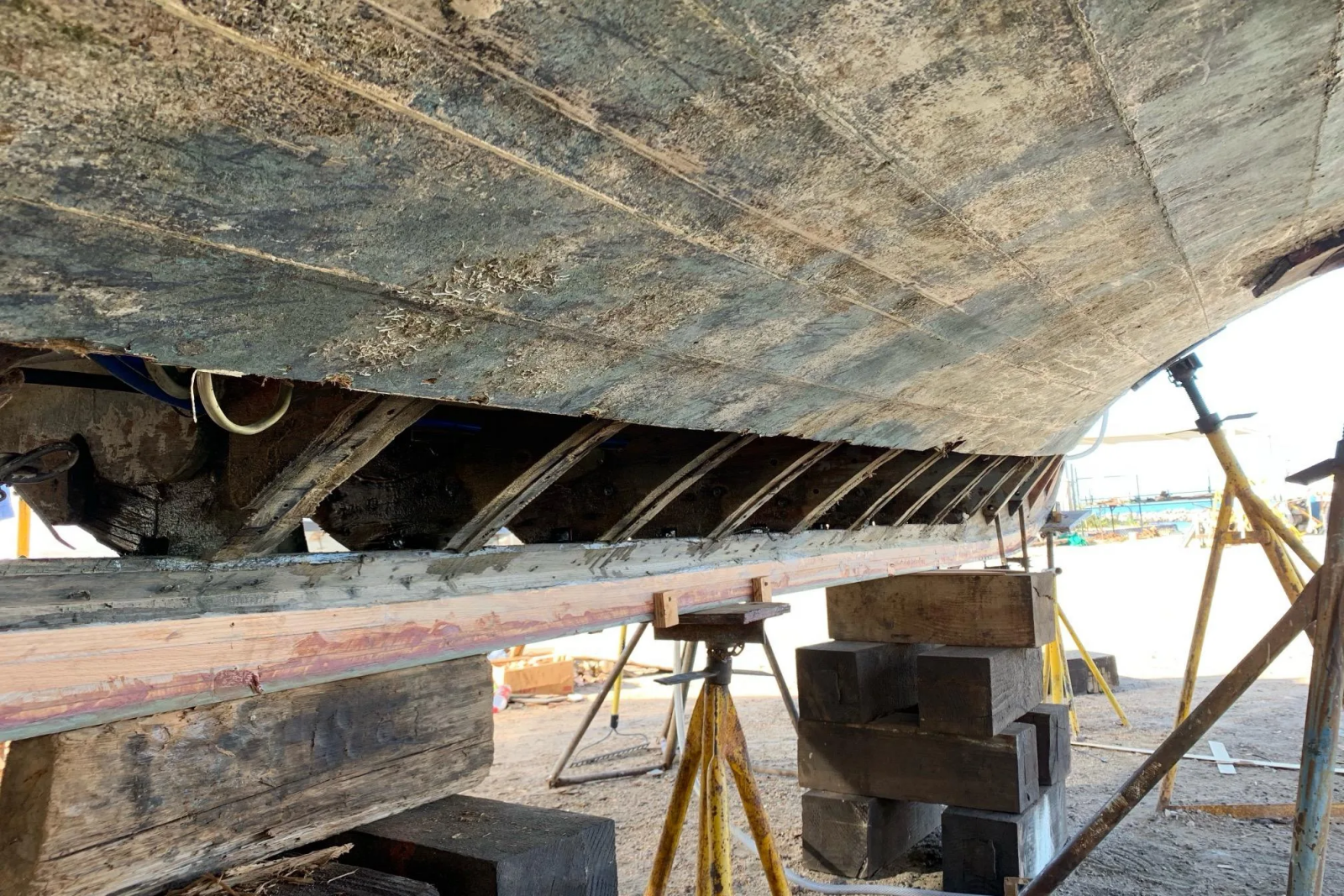
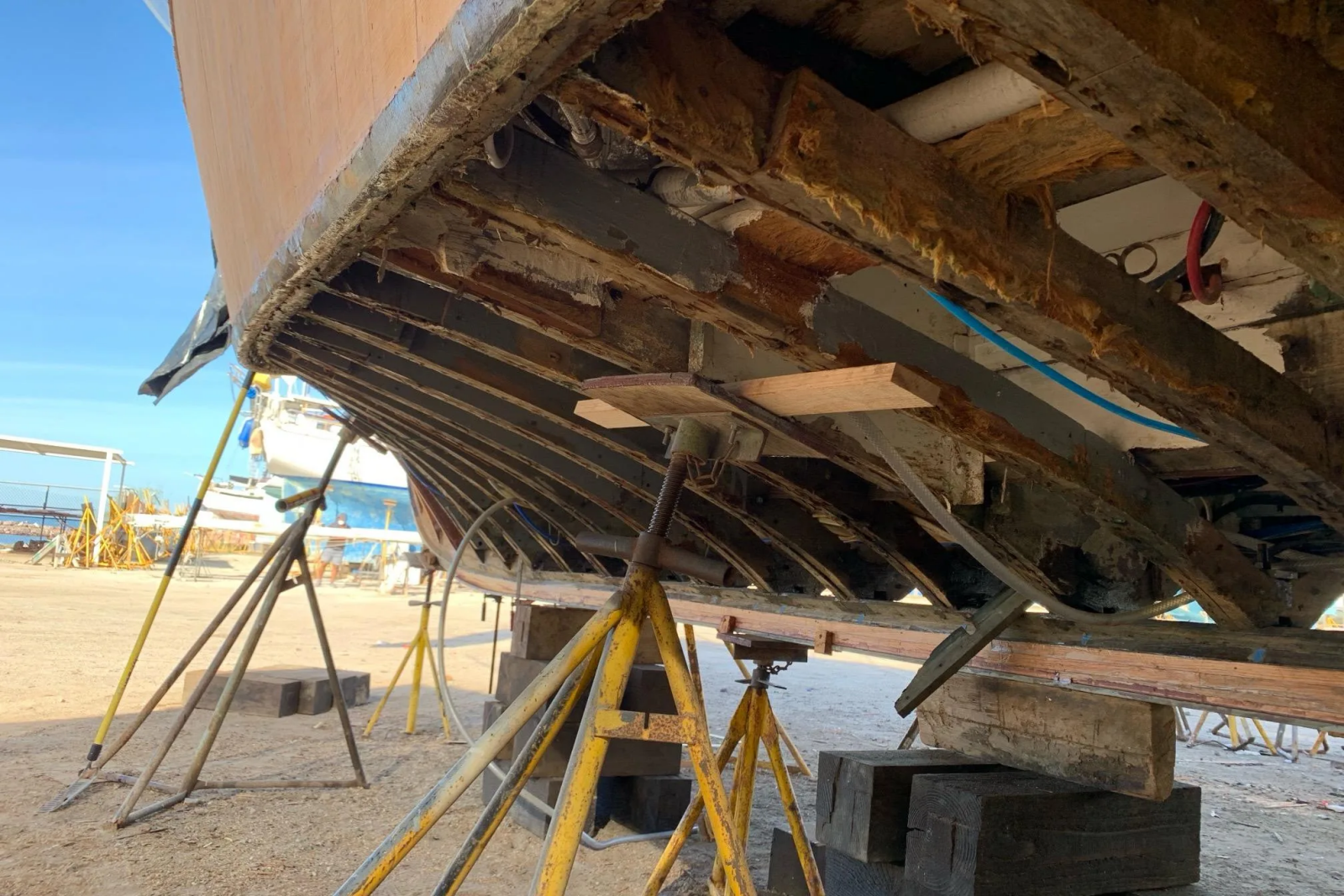
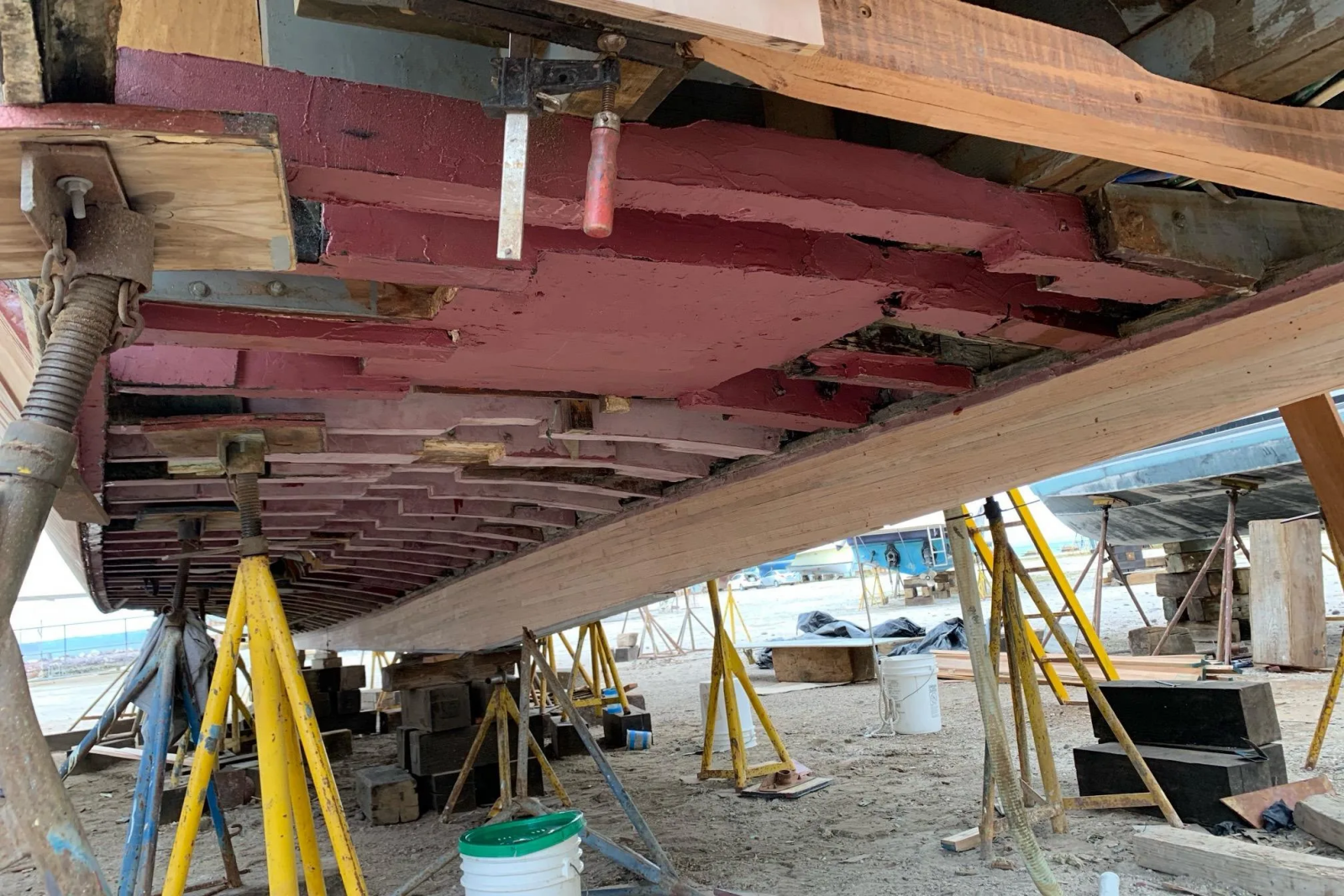
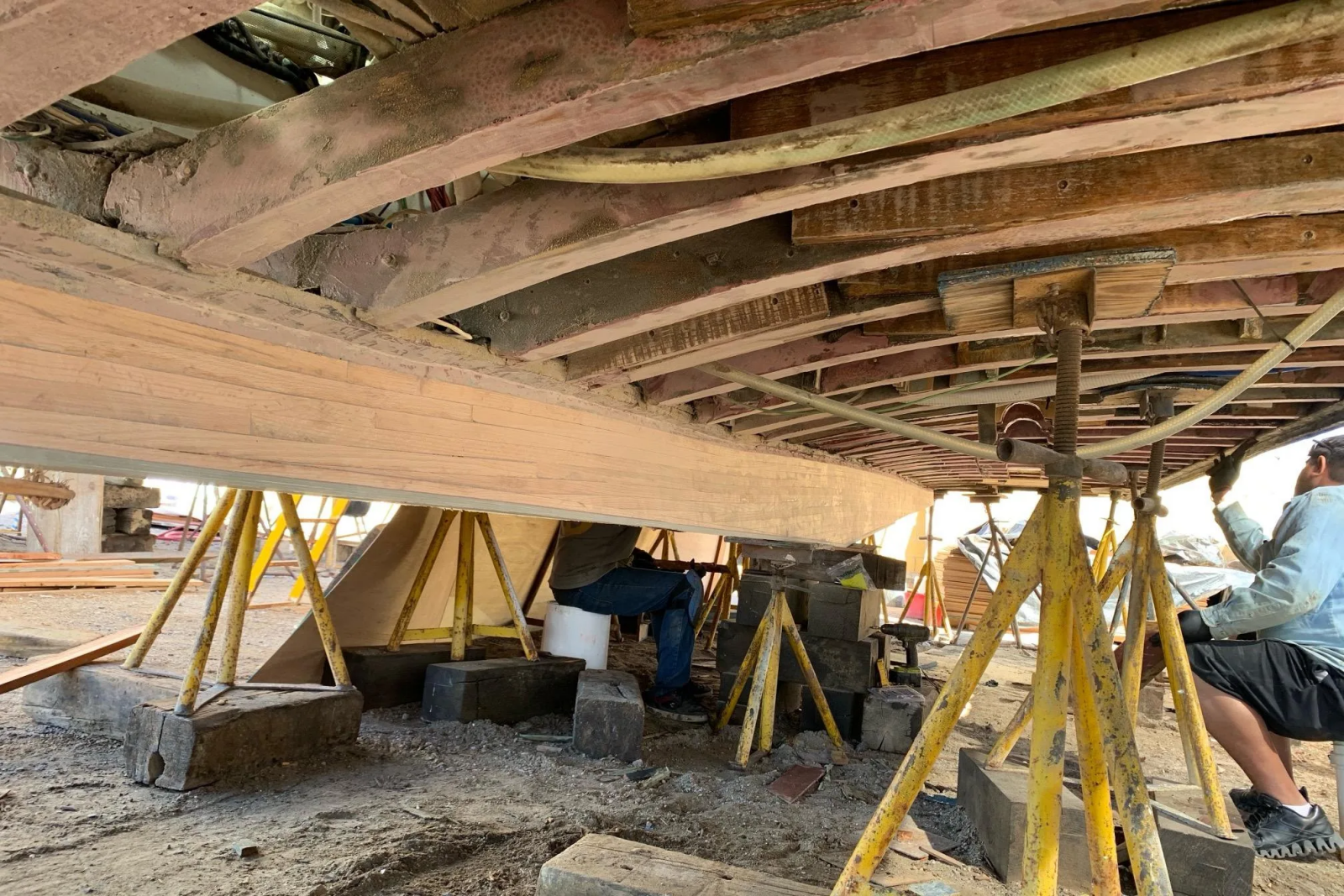
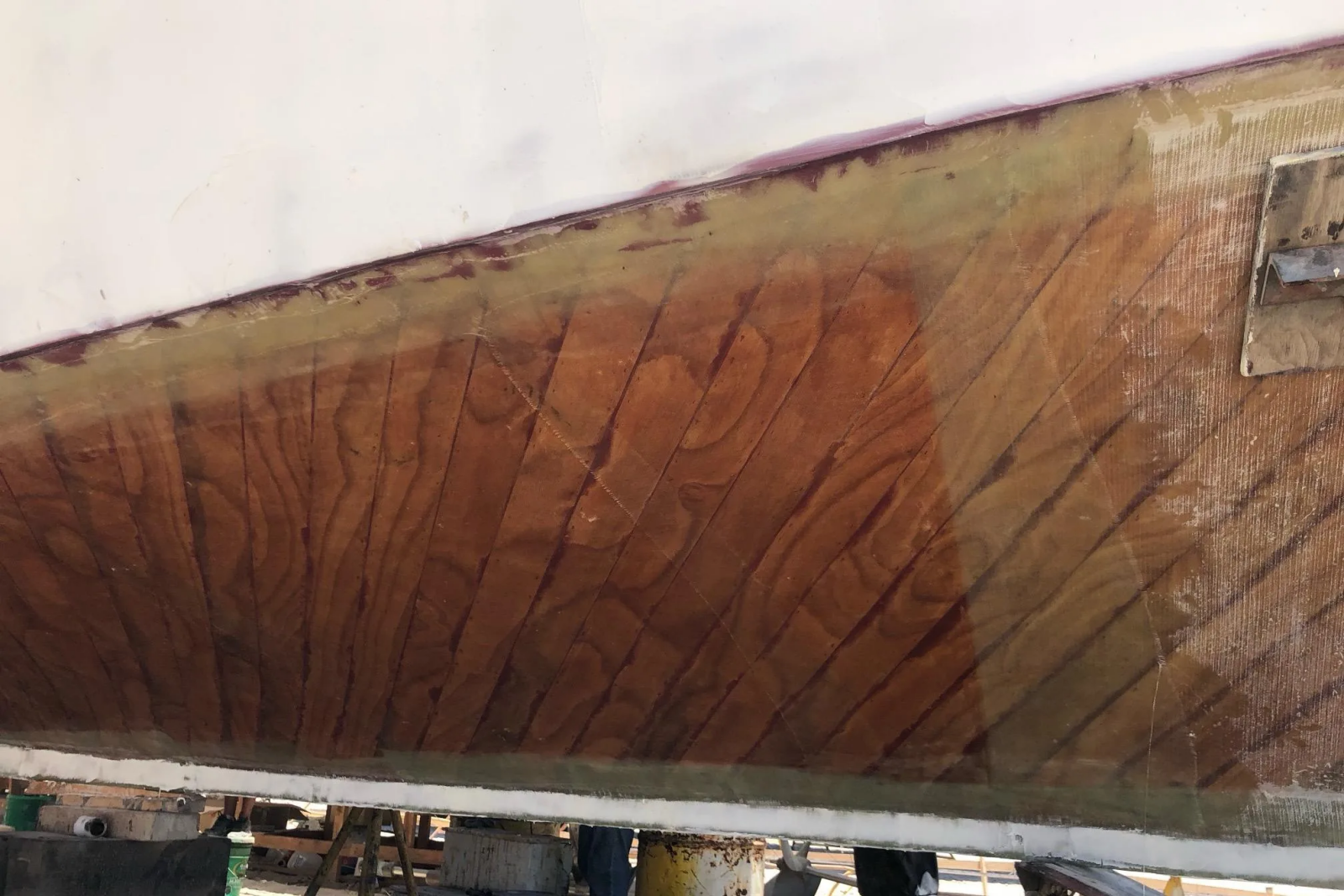
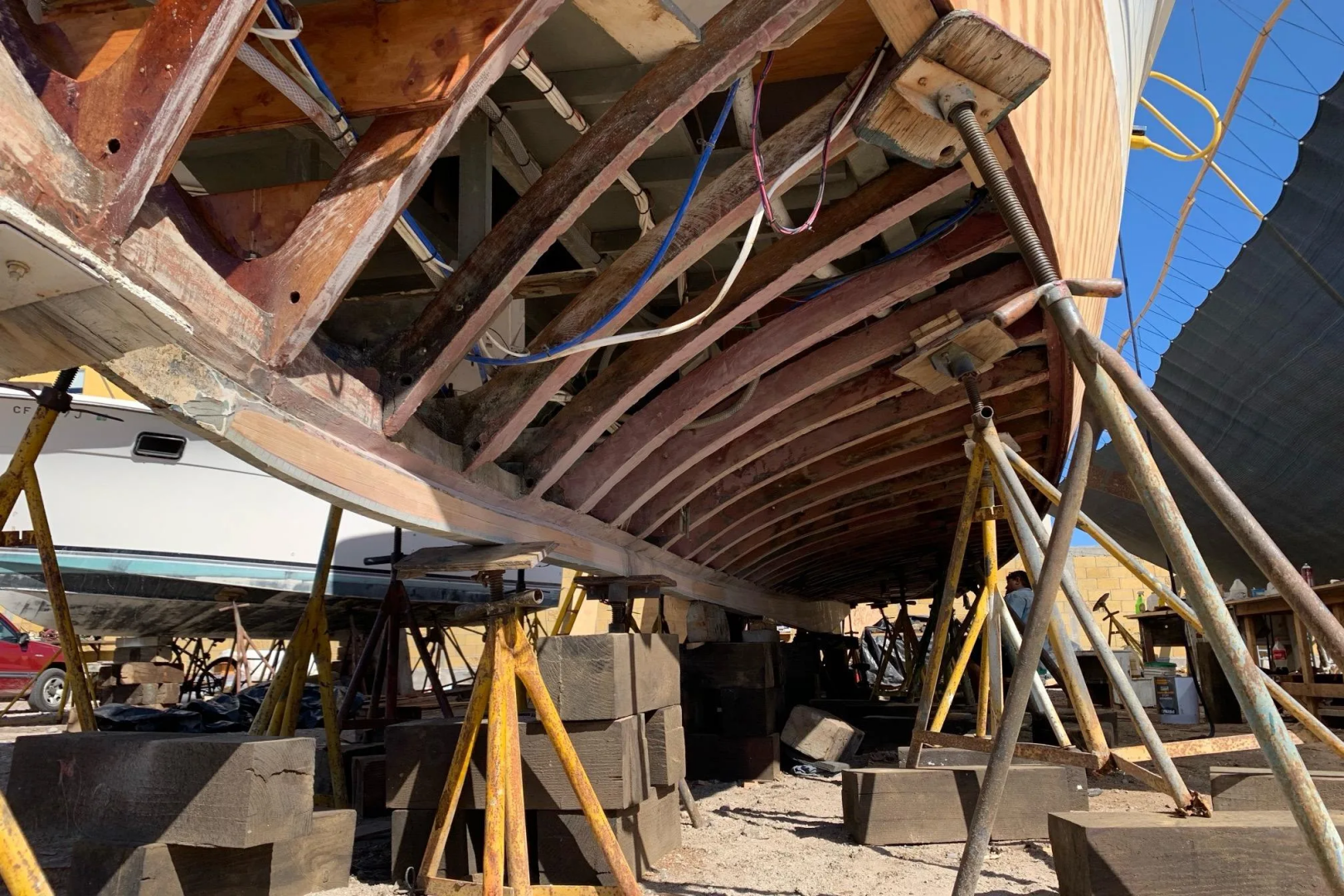
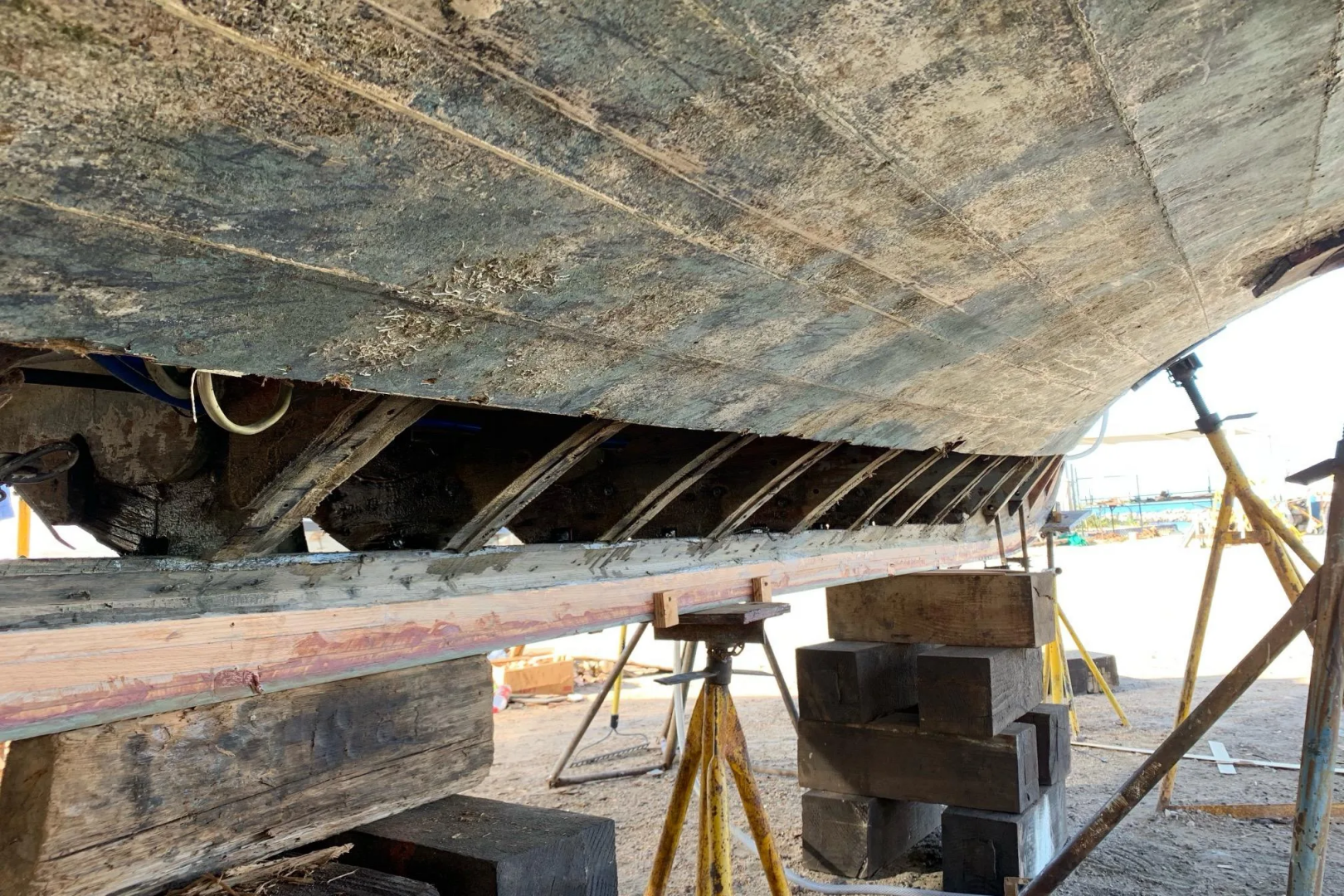
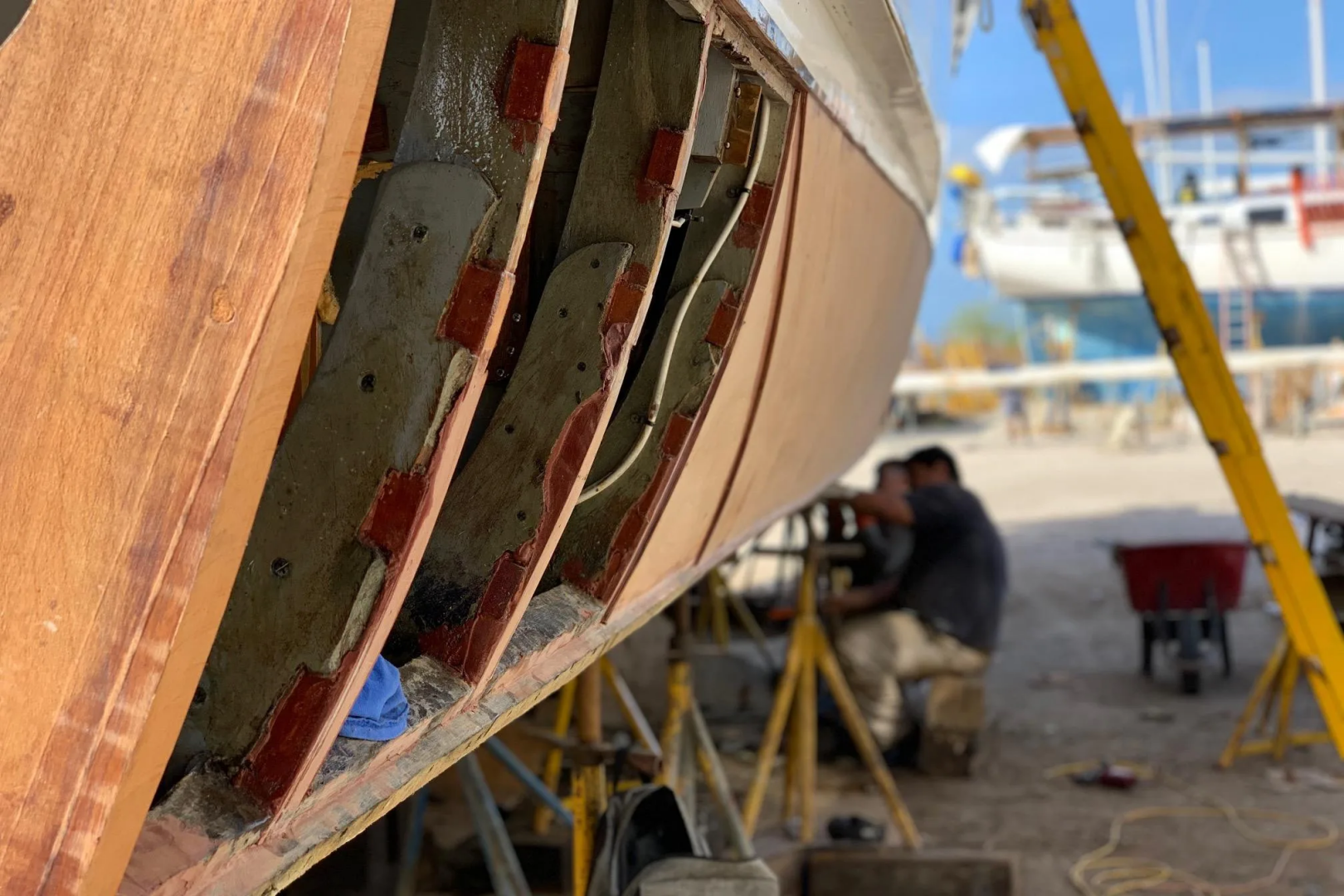
Despite the generally good condition of the keel and planking, the owner made the decision that the right choice for the long-term strength, safety and usability of the boat was to rebuild the hull with entirely new material and additional fiberglass protection to preserve rigidity and eliminate water ingress. The goal was to have a dry boat that was more rigid and sound, while reducing the overall weight of the hull, and insure the boat is ready for another 50 years on the water with drastically reduced hull maintenance requirements.
Consulting with his shipwright, the owner developed a comprehensive plan to rebuild the entire hull and keel. Materials sourced include:
- 230 sheets of BS1088 Loyds approved mahogany plywood in 1/4", 3/8", and 3/4" thicknesses from renowned Boulter Plywood
- 400 yards of medium and heavy roving fiberglass (heavy for building up chines, stern corners, and keelson)
- 80 gallons of US composites epoxy and 3M microbaloons and other fillers
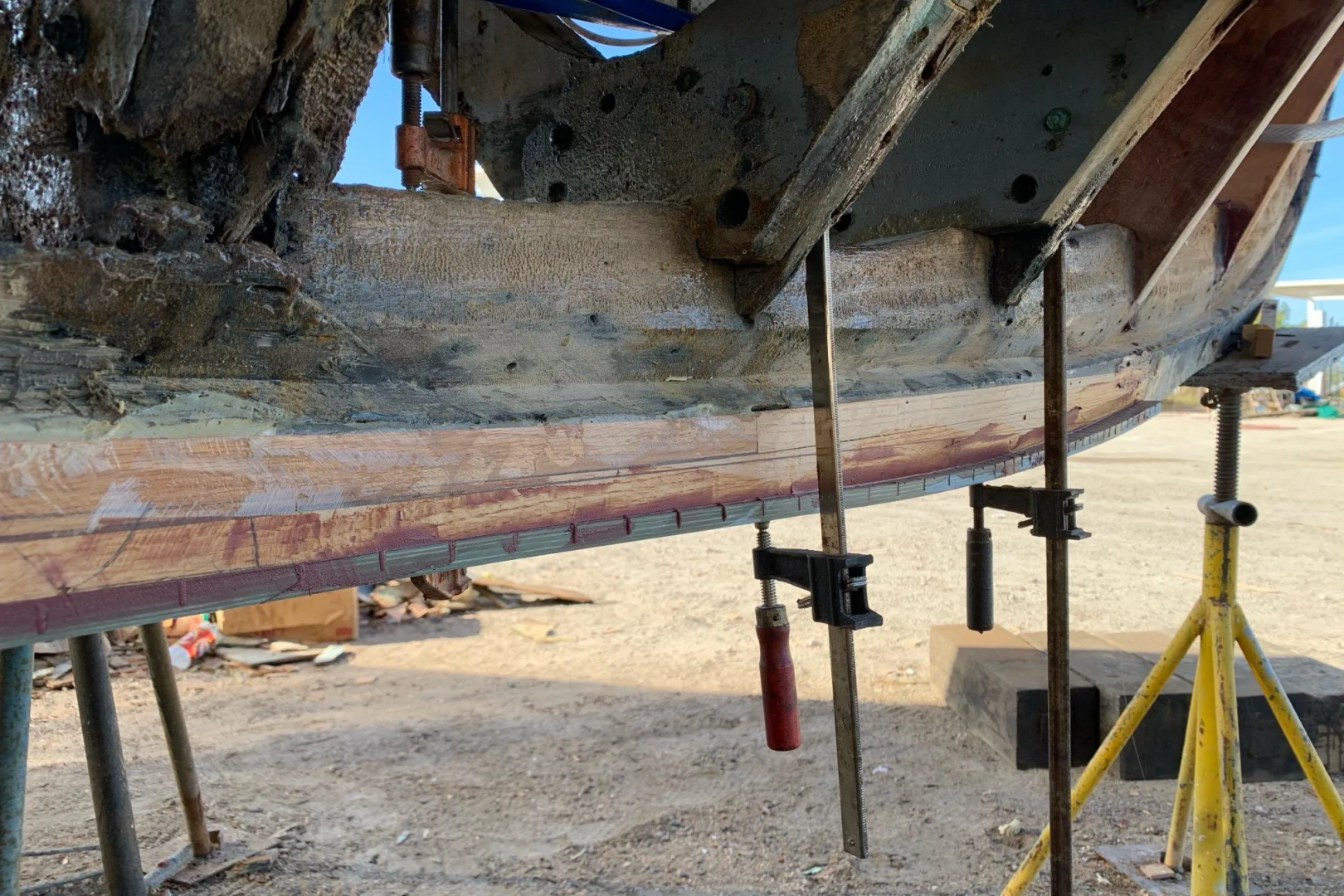
- 900 board feet of white oak to rebuild the keel from stern to stern
- Raptor composite staples and bronze fasteners were used where necessary
- 60 square feet of 1" thick solid fiberglass sheet for wear areas and edge surfaces (worm shoe, prop shields, etc.)
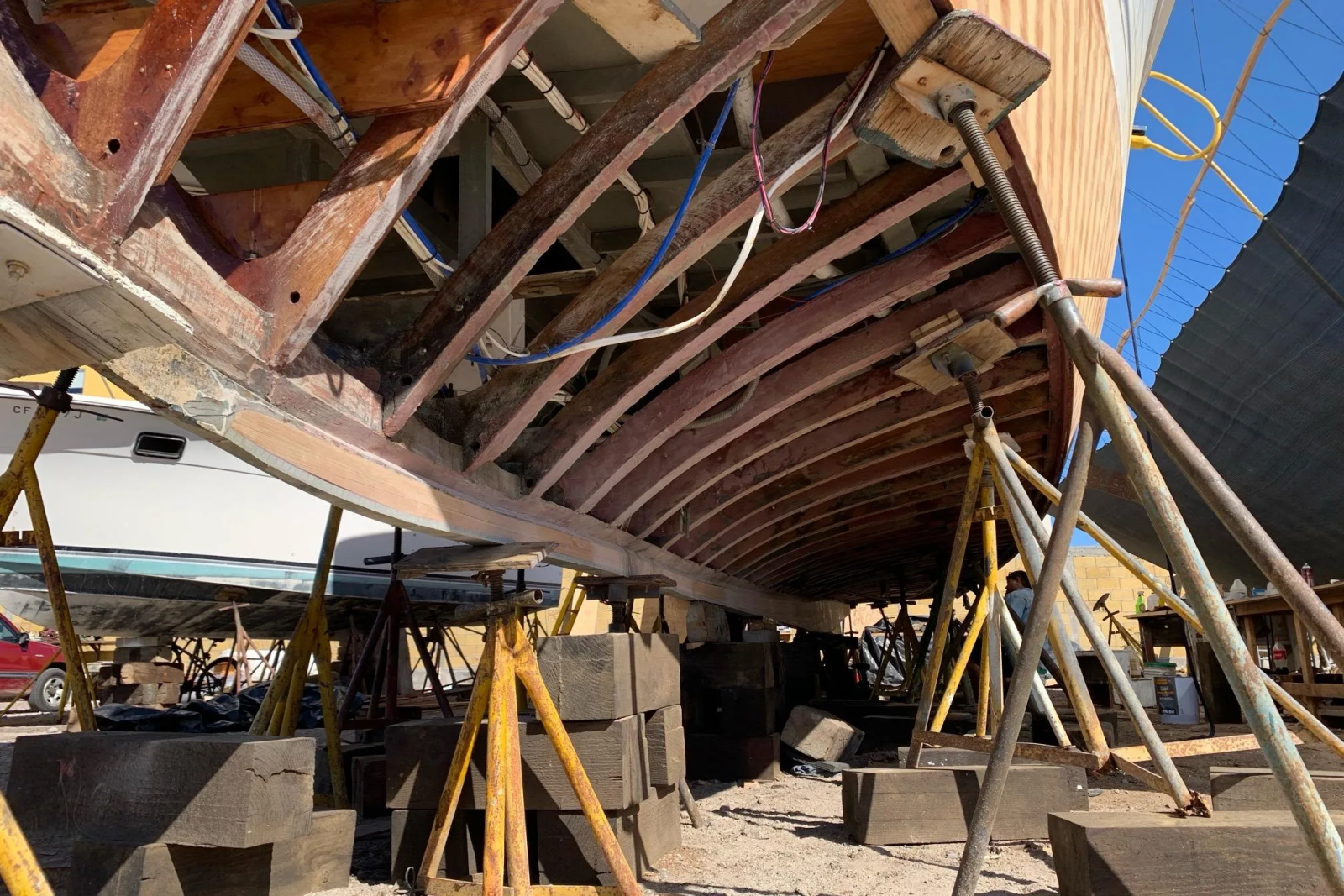
- 35 ribs were sistered and/or braced for additional strength and rigidity
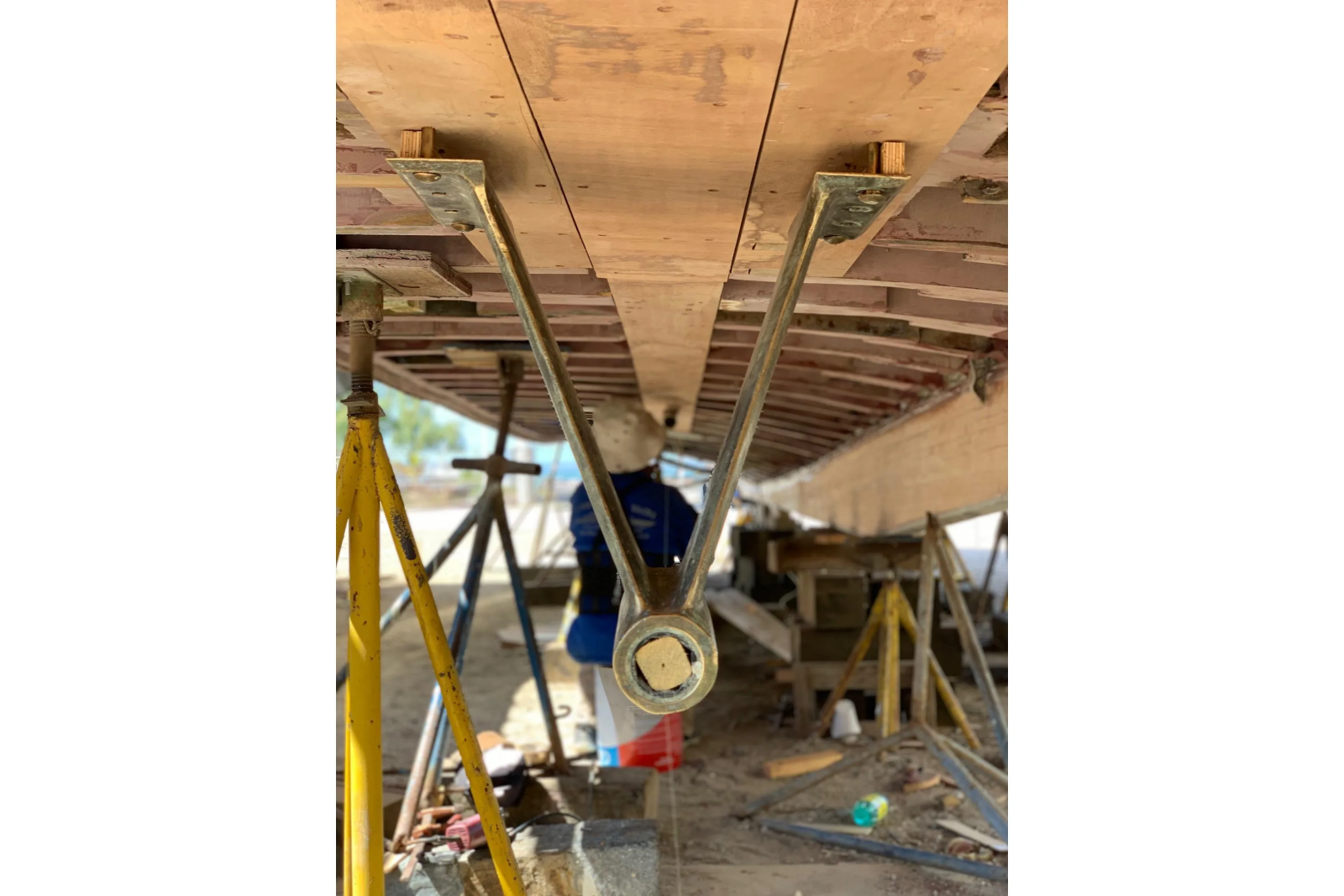
Prop-logs and shaft logs were rebuilt in solid mahogany with solid fiberglass liner tubes to ensure long life and eliminate the possibility of leaks or movement.
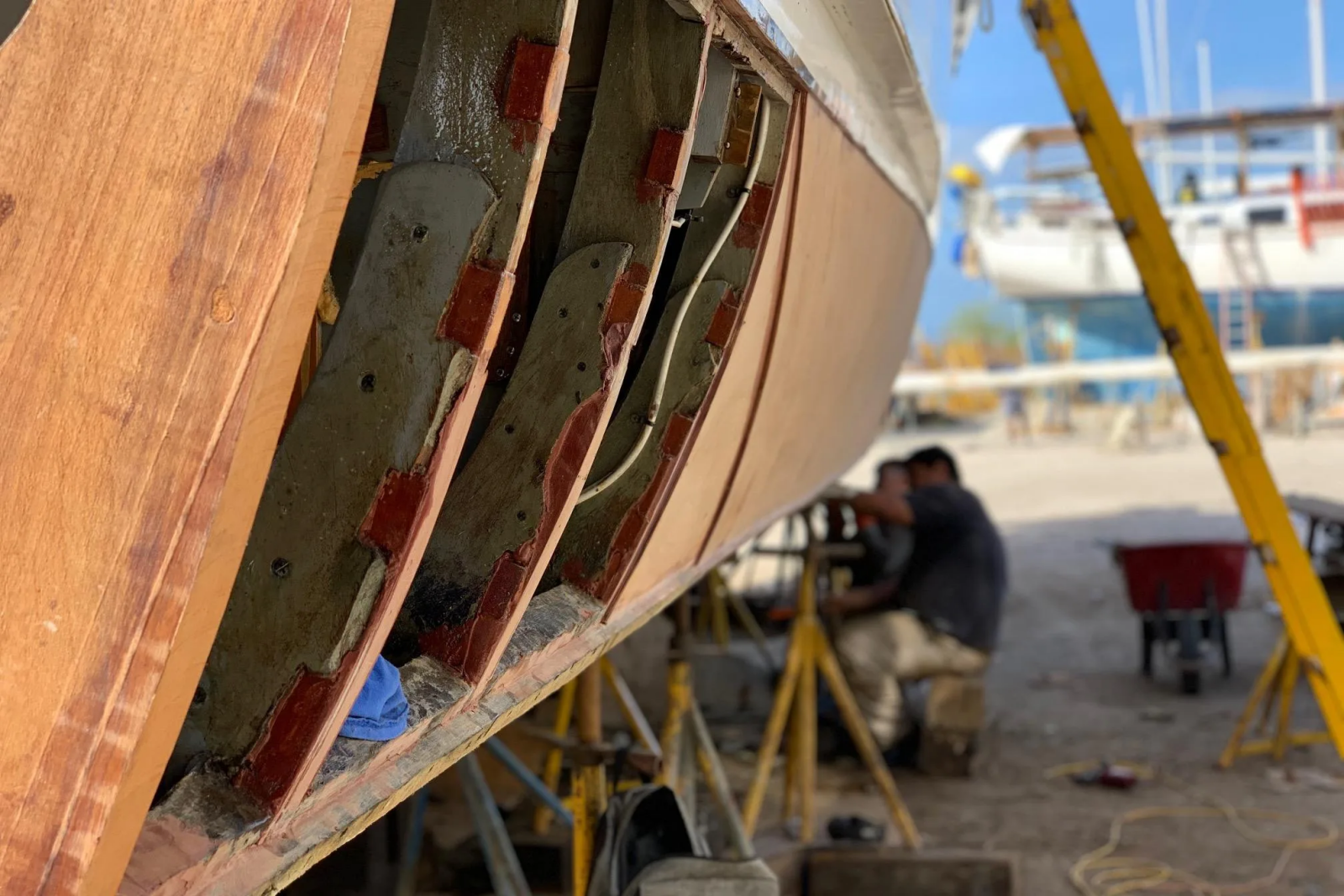
Wherever possible, additional bracing and sistering was added to help tie the original stringers and ribs to the cold-molded hull and increase the strength.
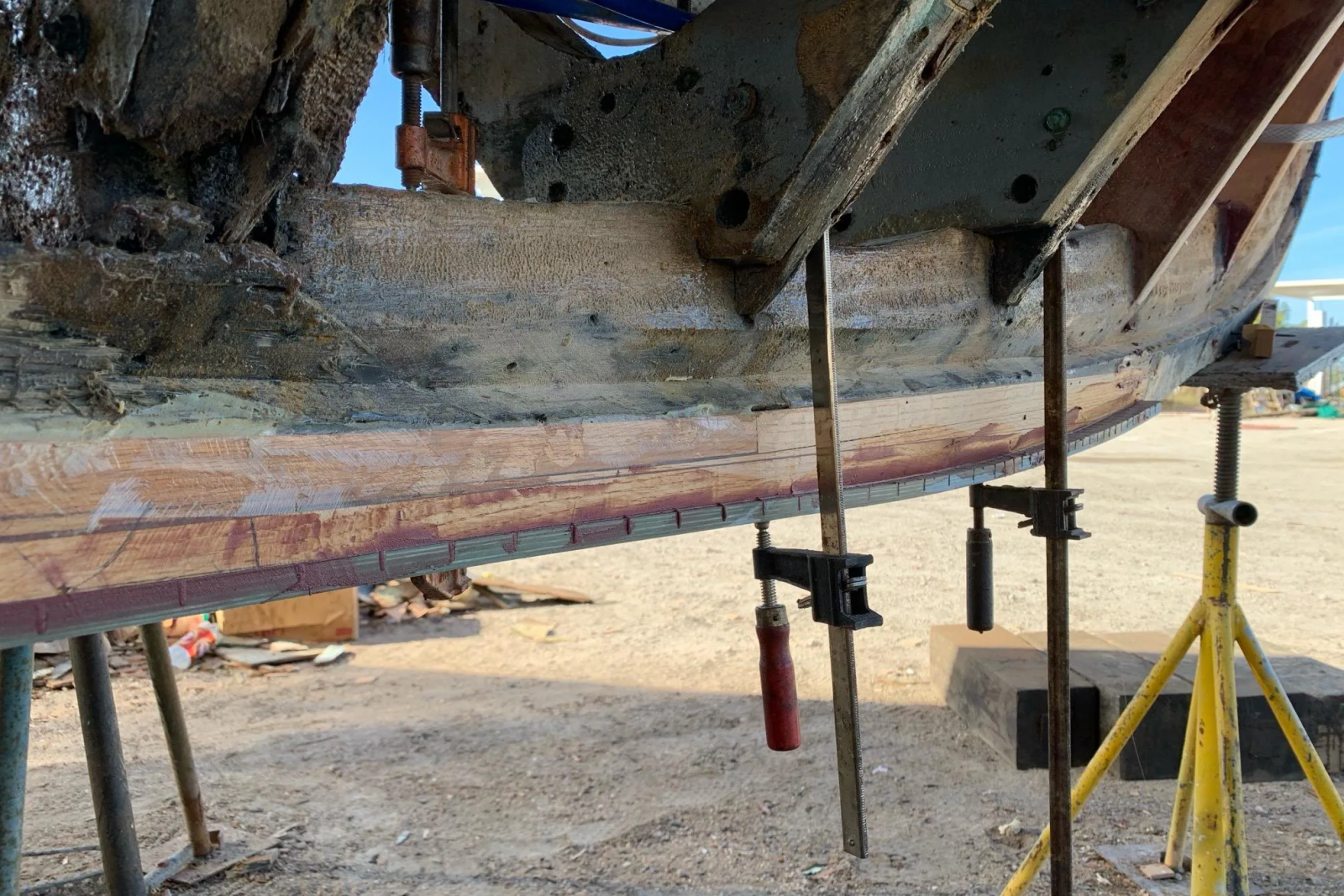
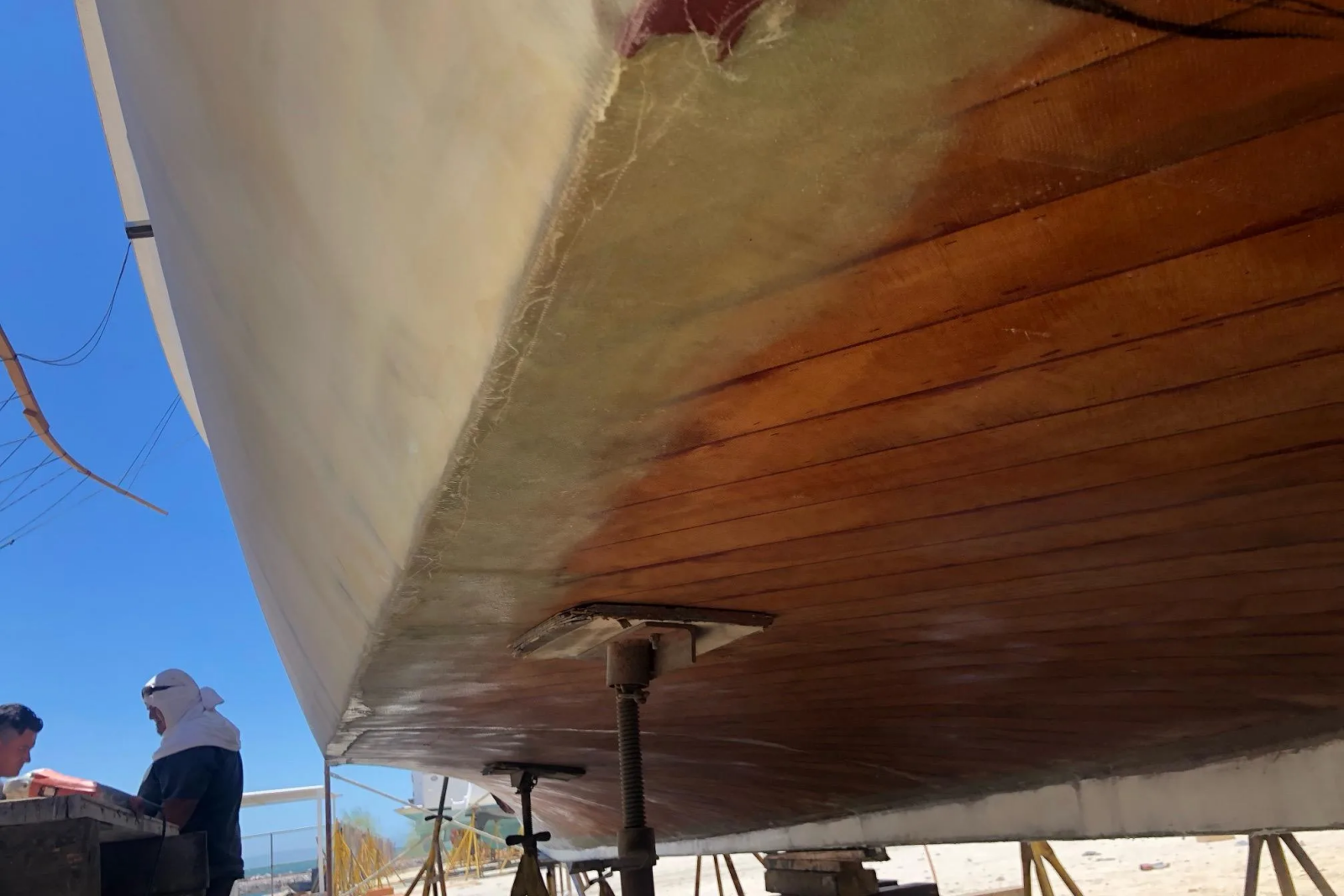
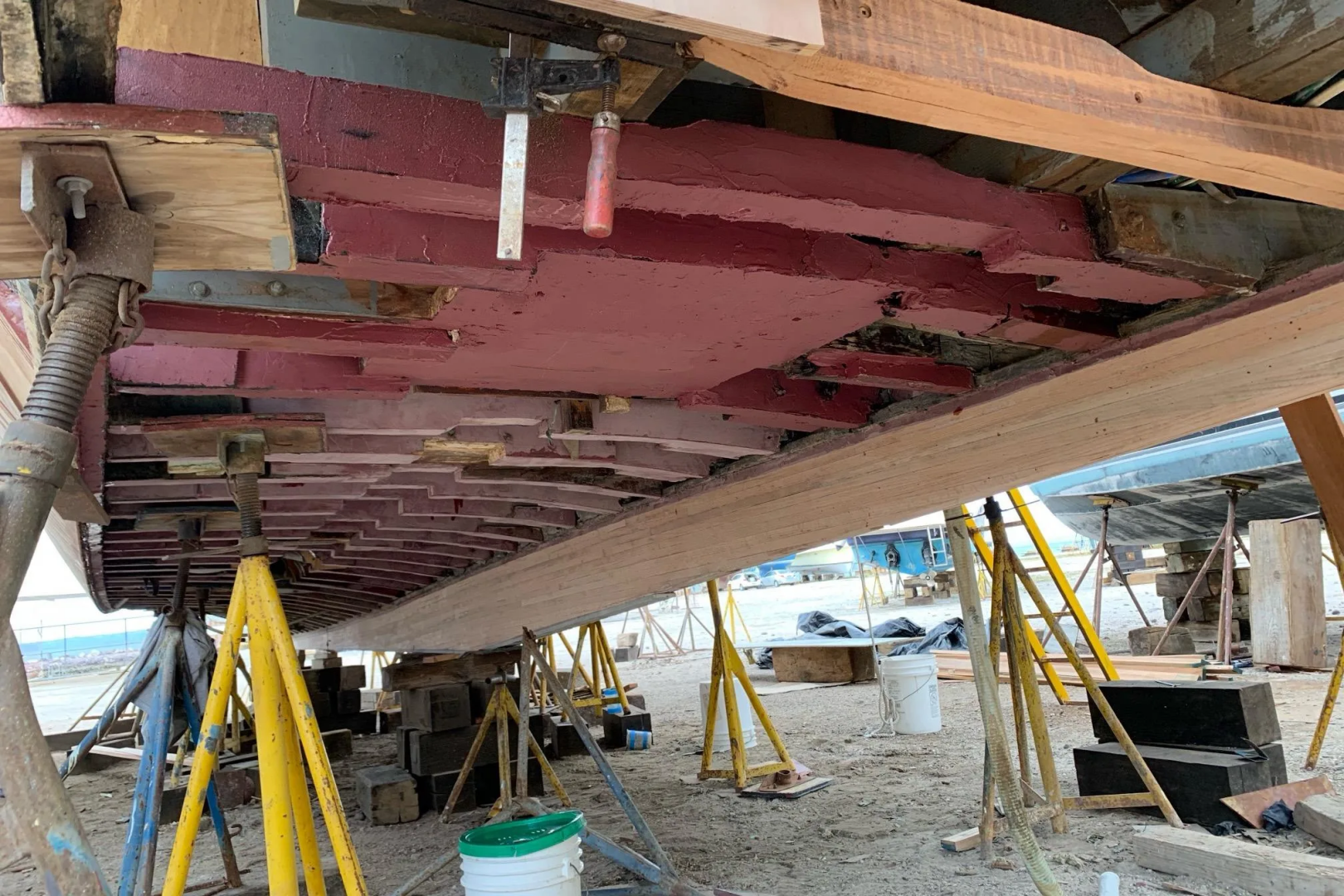
The external portions of the keel were re-constructed, replacing the original white oak, fully bonded with epoxy, thru-bolted with 1" threaded bronze keel bolts, and finished with a solid fiberglass worm shoe/scuff guard.
All connections between keel, keelson and ribs were inspected and braced if necessary, sanded, sealed with epoxy and painted. The finished keel was then wrapped with three-four layers of axial roving fiberglass and then faired and painted.
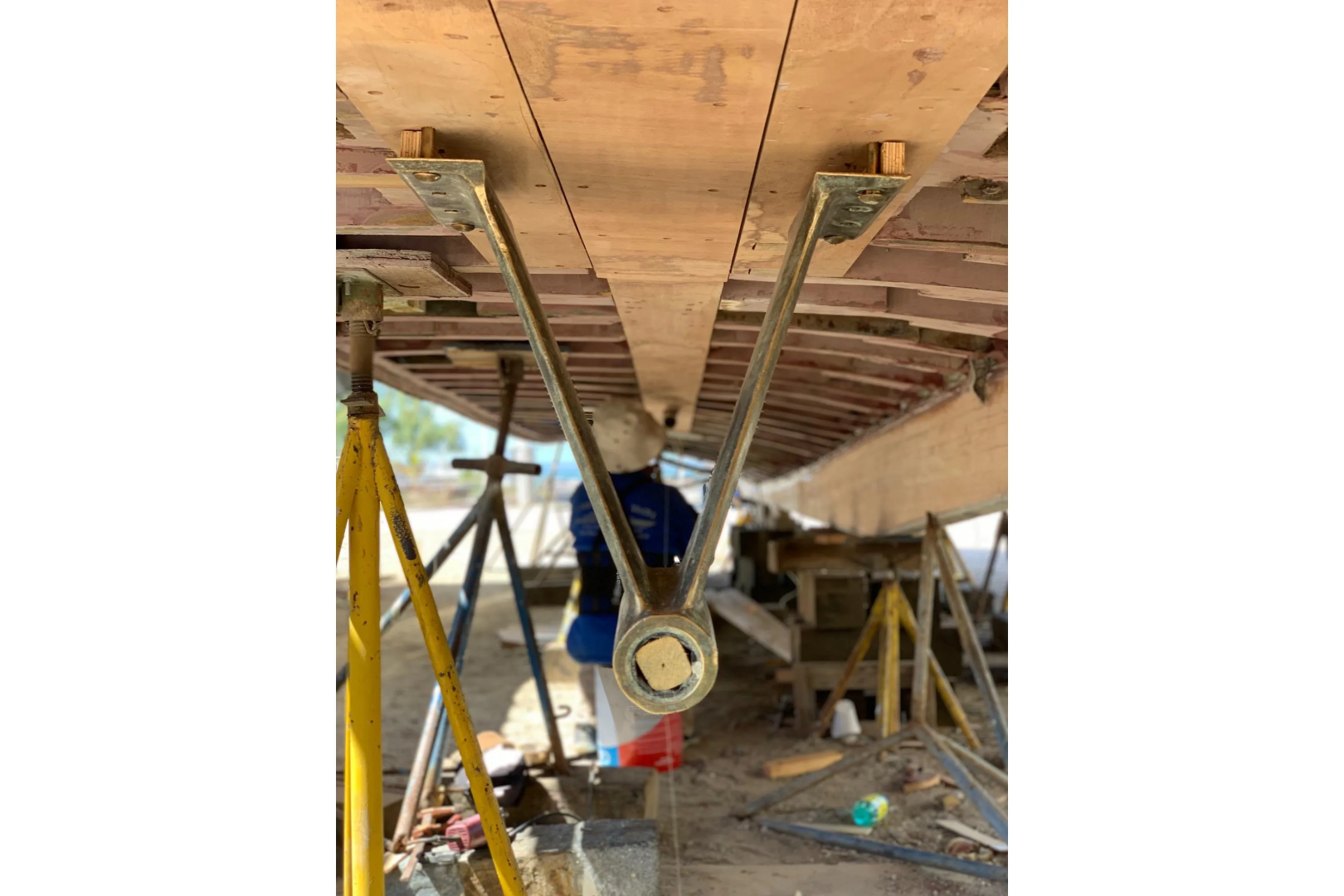
The original bronze prop shaft struts were reused, but all mounting points were completely rebuilt with solid hardwood, solid fiberglass and then faired in with the hull structure to insure optimum alignment from engines to props.
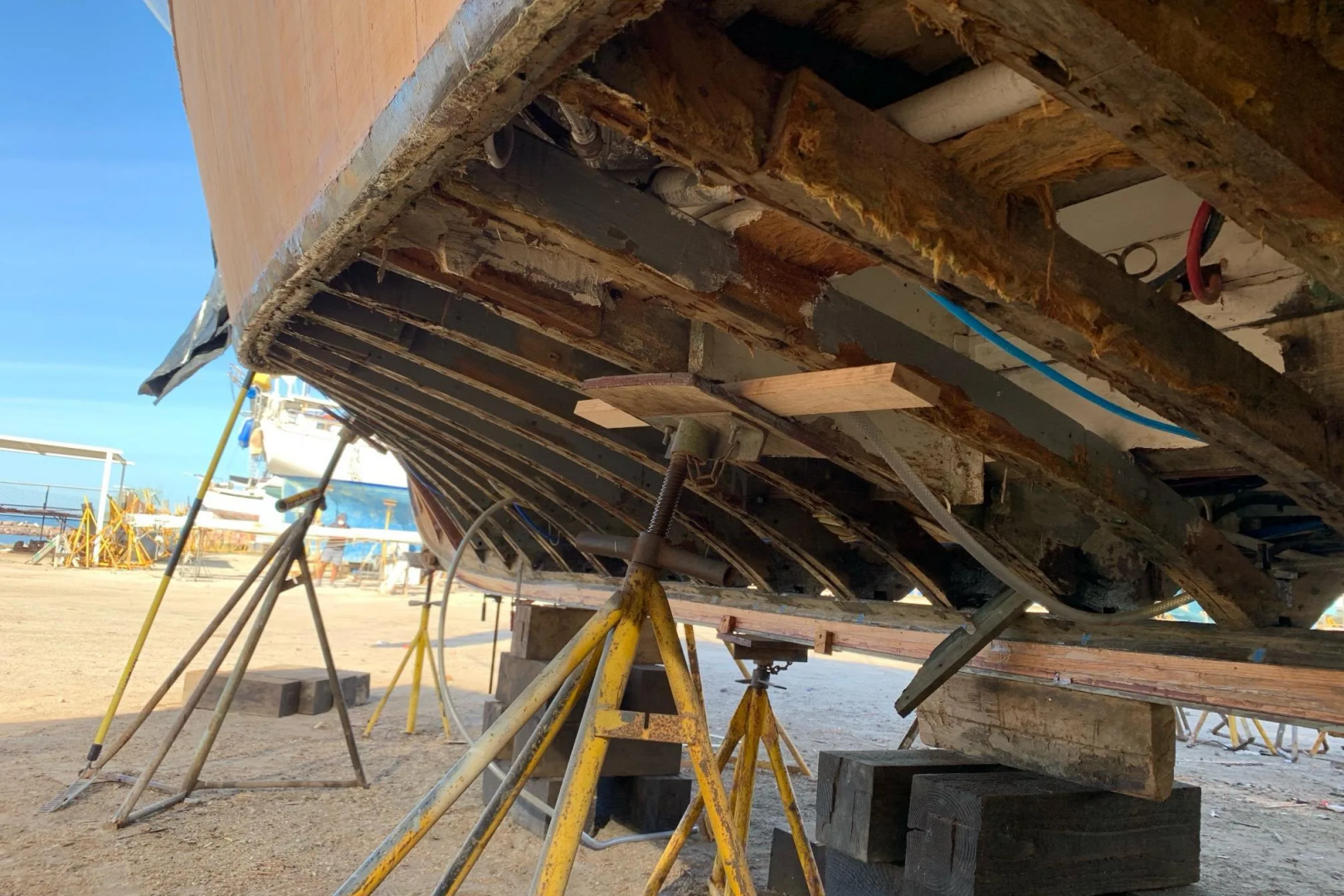
The stern/transom section was rebuilt with extensive corner bracing and an additional layer of cold-molded marine plywood to provide extra strength. To integrate the original structure with the new cold molded structure, plywood planks were faired into the original rabbets of the frames and planed flush, with following layers overlapping each frame.
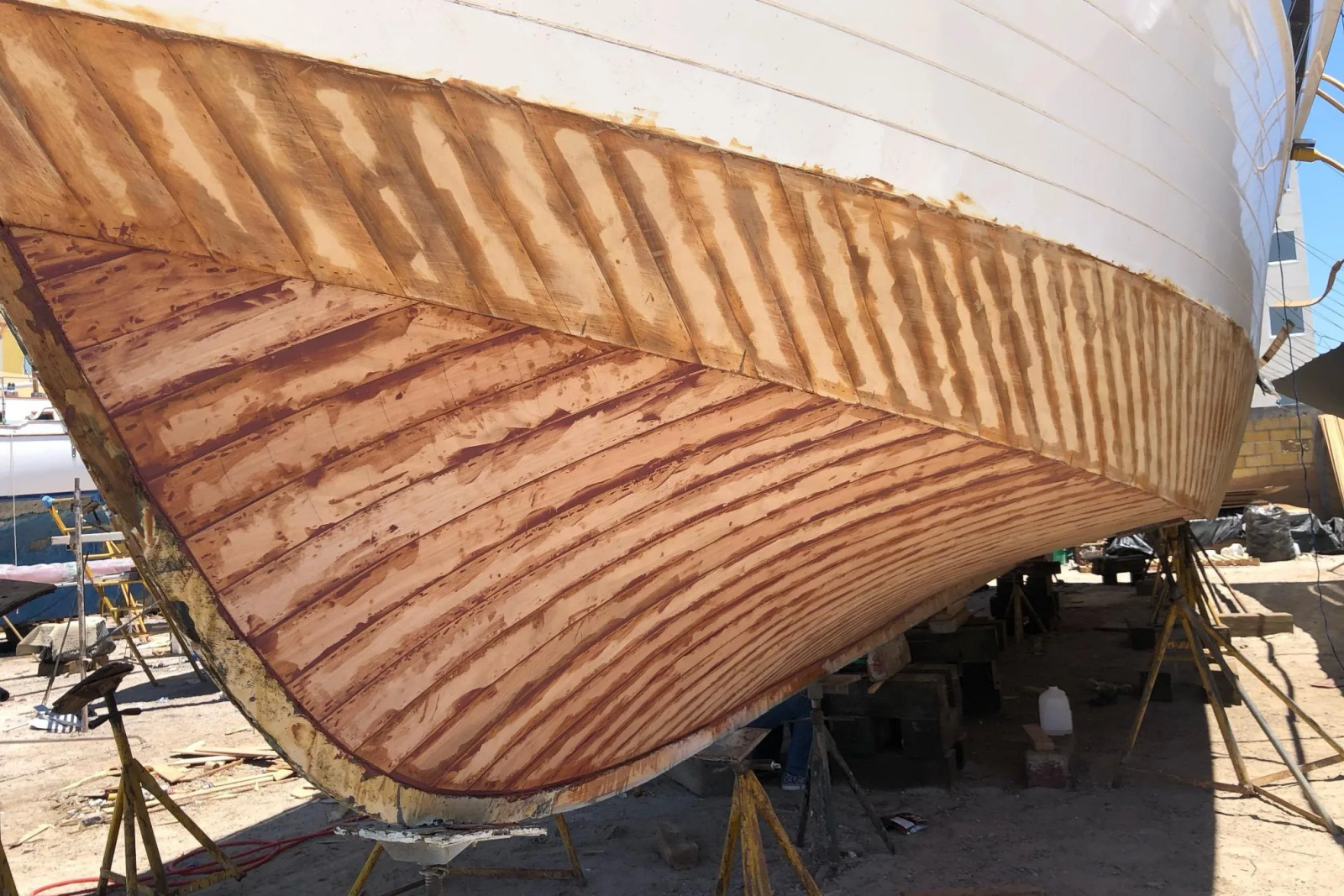
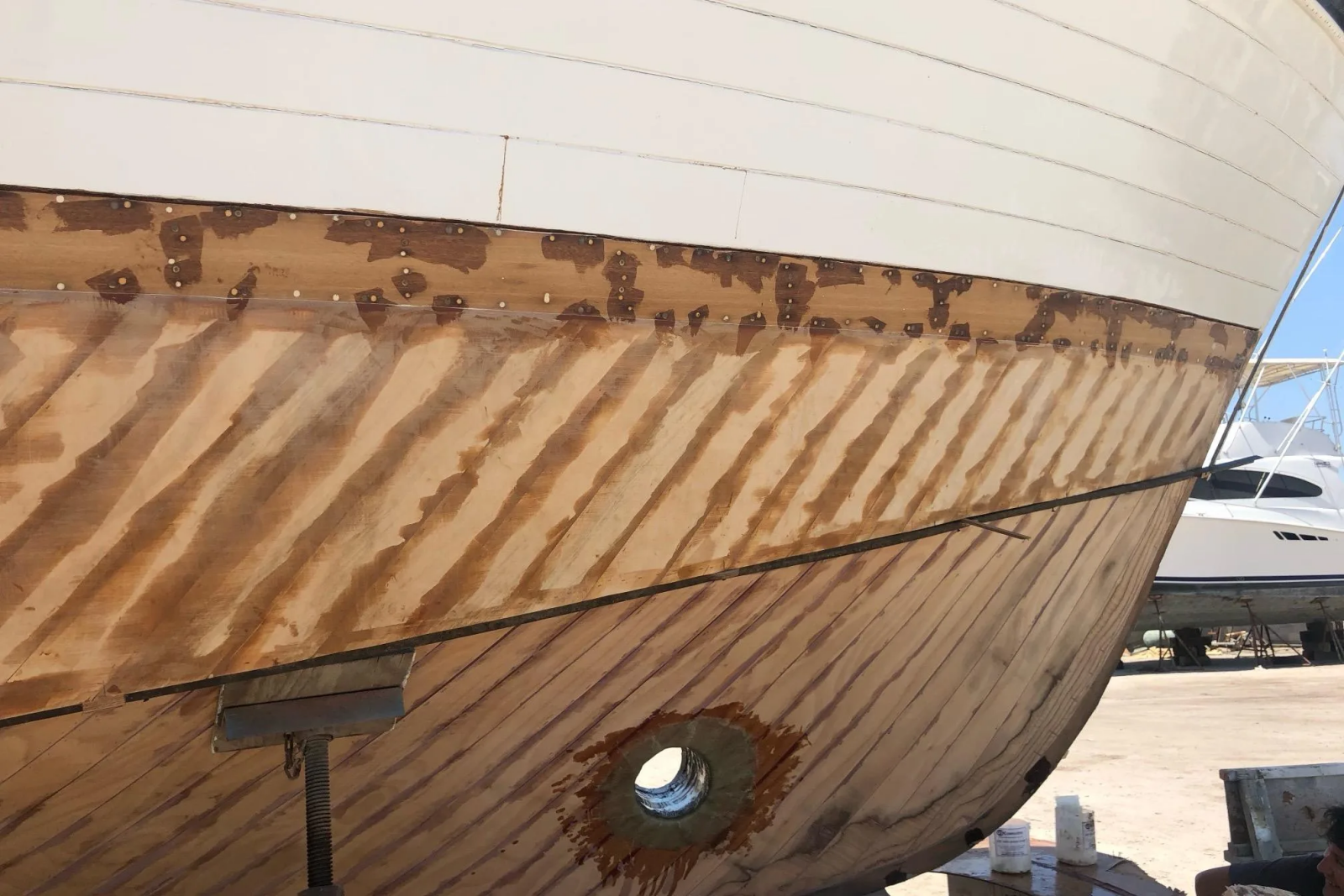
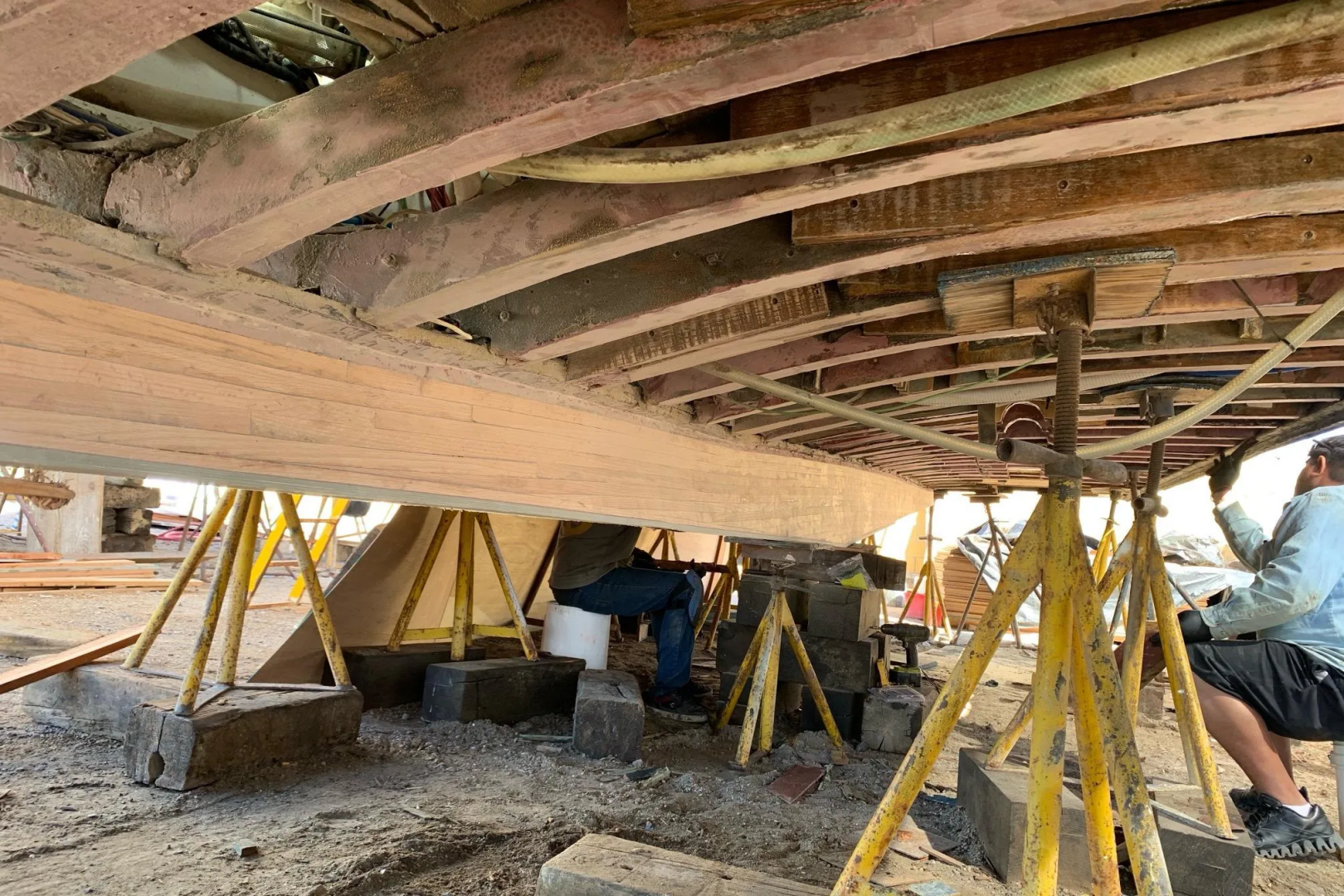
The new cold-molded planking is a combination of 2-4 layers of marine plywood sandwiched with thickened epoxy, each layer laid in diagonal orientation to the prior layer. After fairing, the cold molded hull is tied into the existing topside planking via 2-3 layers of epoxy.
With a new, solid cold-molded hull, the owner chose to install a Lewmar 6HP bow thruster that makes maneuvering even easier.
All corners, chine, keel connections and stern were glassed over with heavy fiberglass roving, and then smoothed and faired with a final two layers of fiberglass, forming a smooth and extremely rigid and durable hull.
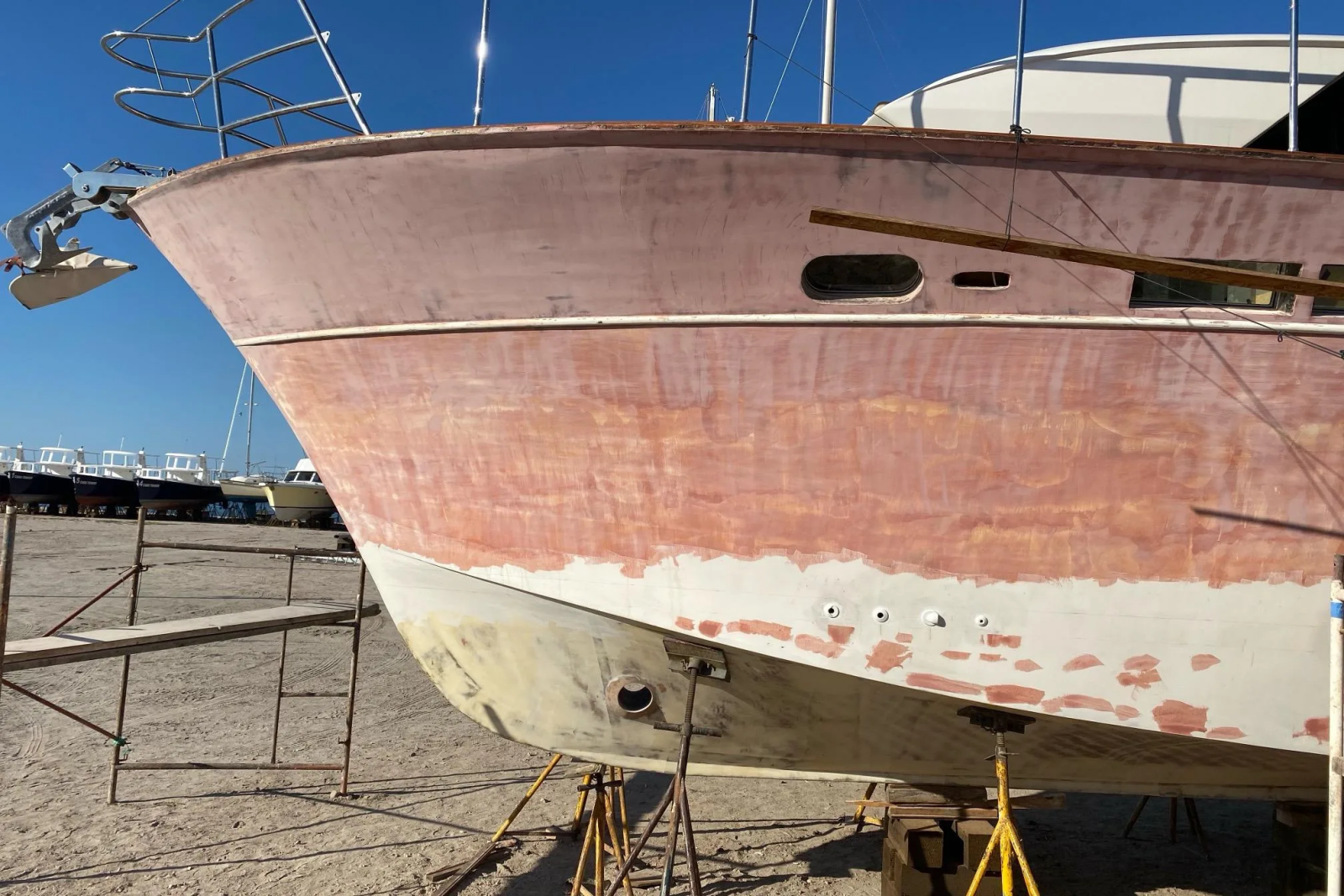
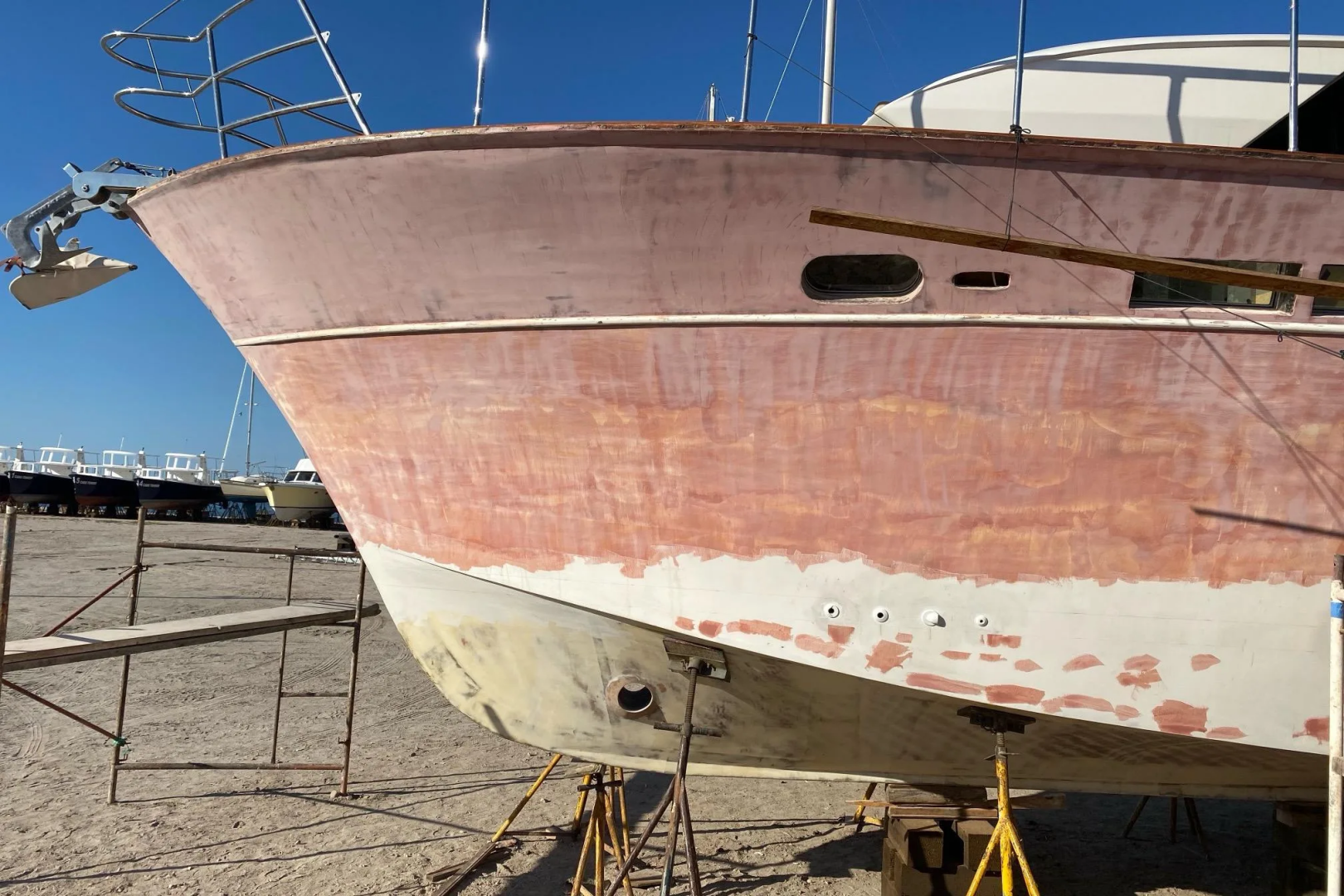
Planking from waterline to toe rails was stripped of paint, inspected, filled and faired prior to receiving fiberglass.
Two layers of fine fiberglass were laid over the existing faired planking and tied in with additional fiberglass above the splash rail prior to painting.
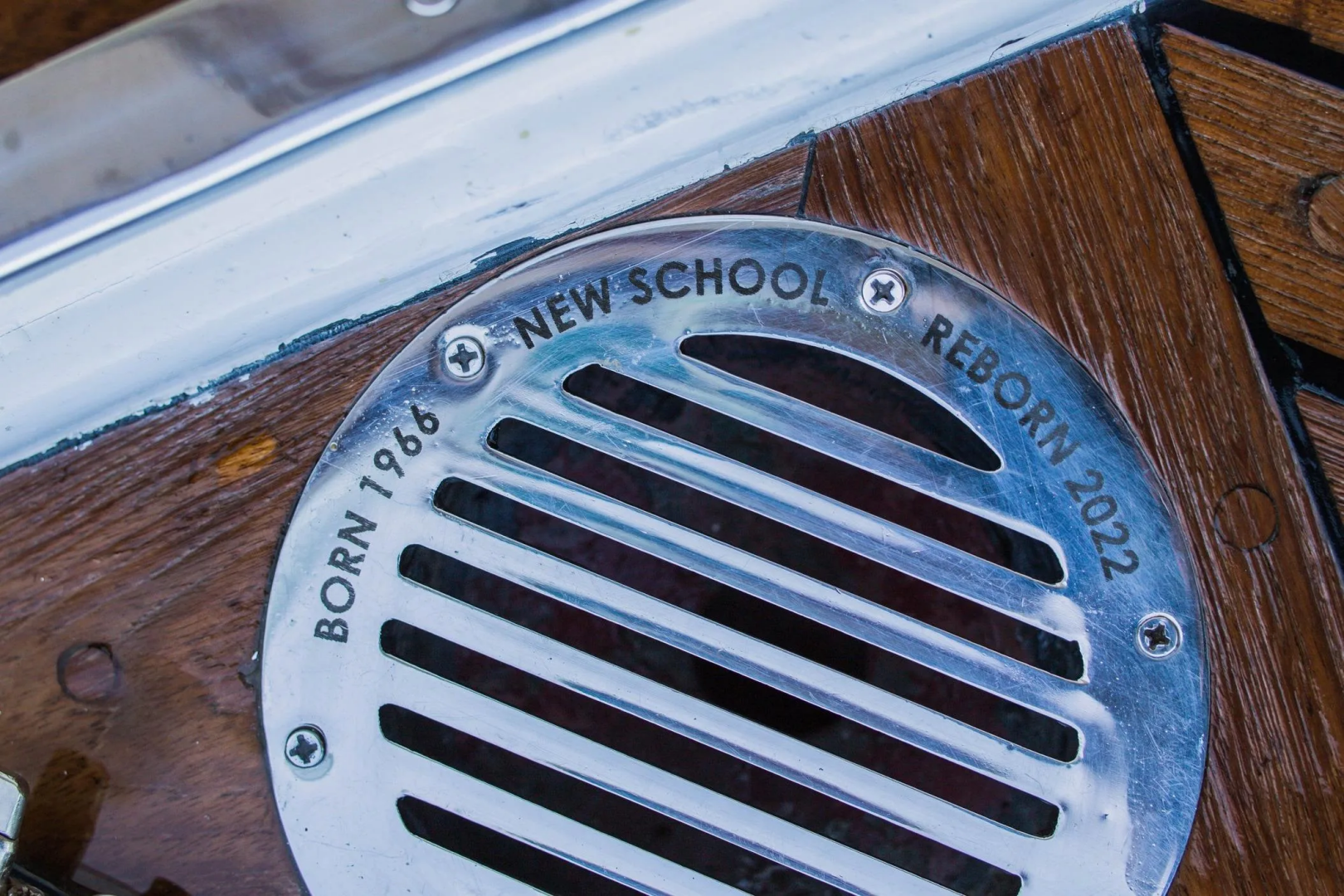
After the work was completed, New School re-entered the water as a new boat, and without a single leak.
- 11 months and 2200 man hours of labor
- Completely dry hull with the same maintenance requirements of a fiberglass boat
- Dramatically and noticeable stiffer structure
- Significant weight reduction
- Maintained the correct look of the original
Despite these extensive repairs after a few years of use, it was clear the boats original teak decking was not ready for another 50 years of use. The boats teak was then completely re-done, some of the materials sourced are stated as follows:
- 700 board feet of selected Burmese teak
- 28 sheets of Boulter mahogany plywood
- Composite fasteners
- 40 meters of fiberglass cloth
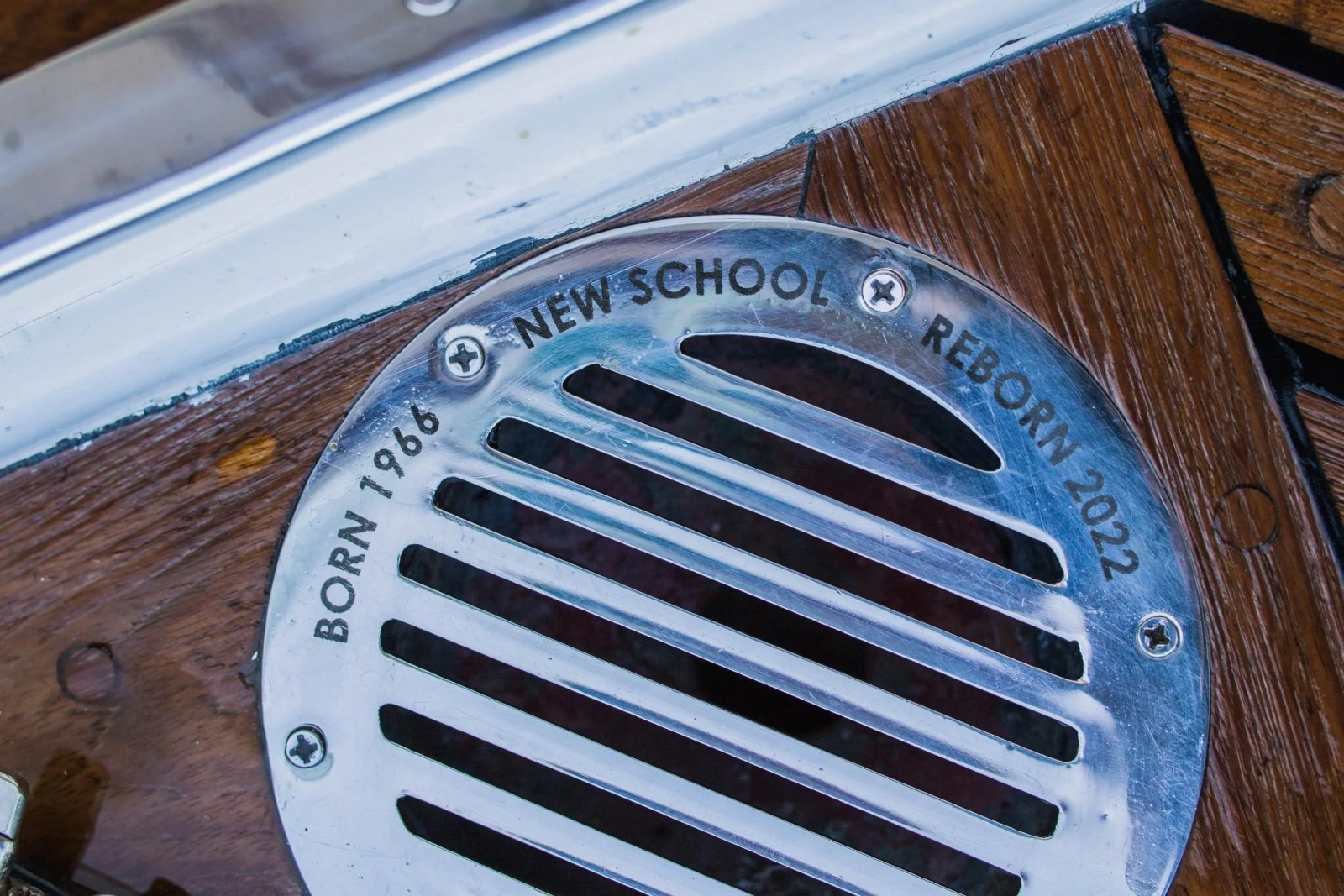
- An upgraded stainless Man Ship circular hatch was selected and installed to restore the period correct looks of the original
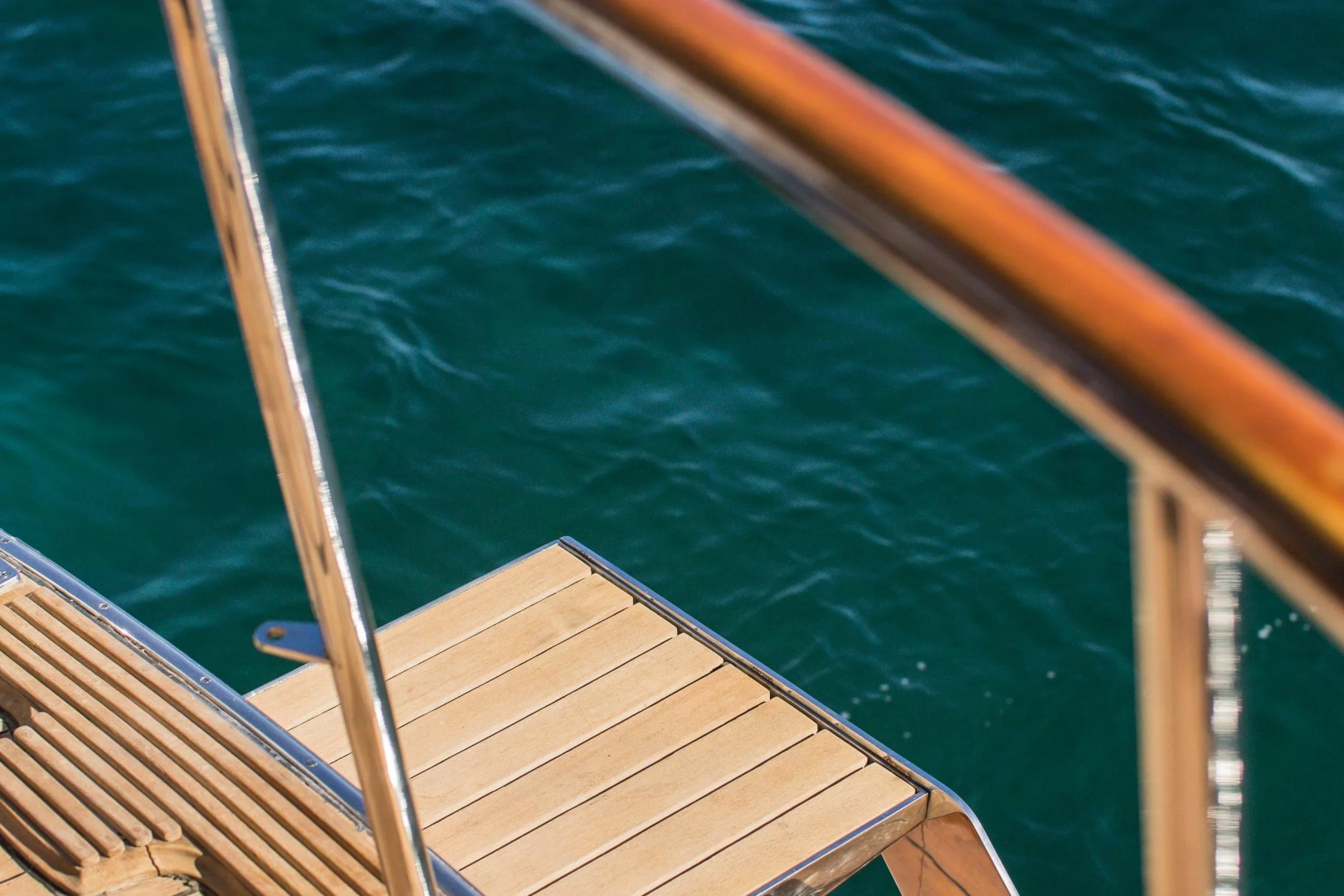
- A new, larger solid teak swimstep was fabricated and installed at this time
- Fully-rebuilt cold molded marine ply and fiberglass hull,
- rebuilt fiberglass prop boxes and shaft logs
- Rebuilt keel in white oak fully laminated in fiberglass
- Push-rod stainless steel and bronze rudder control with
- Raymarine autopilot motor
- Lewmar 6HP 12V electric bow thruster
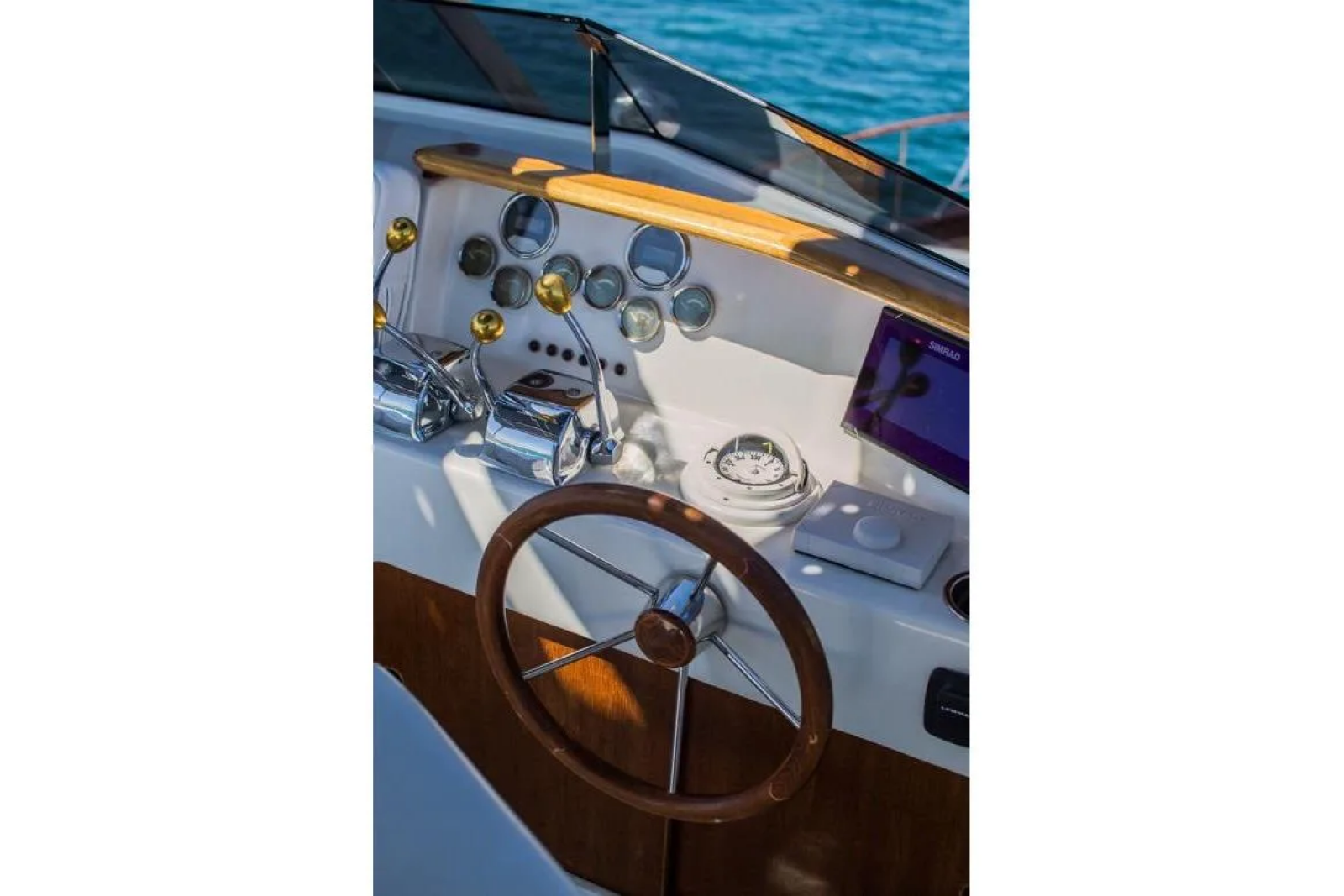
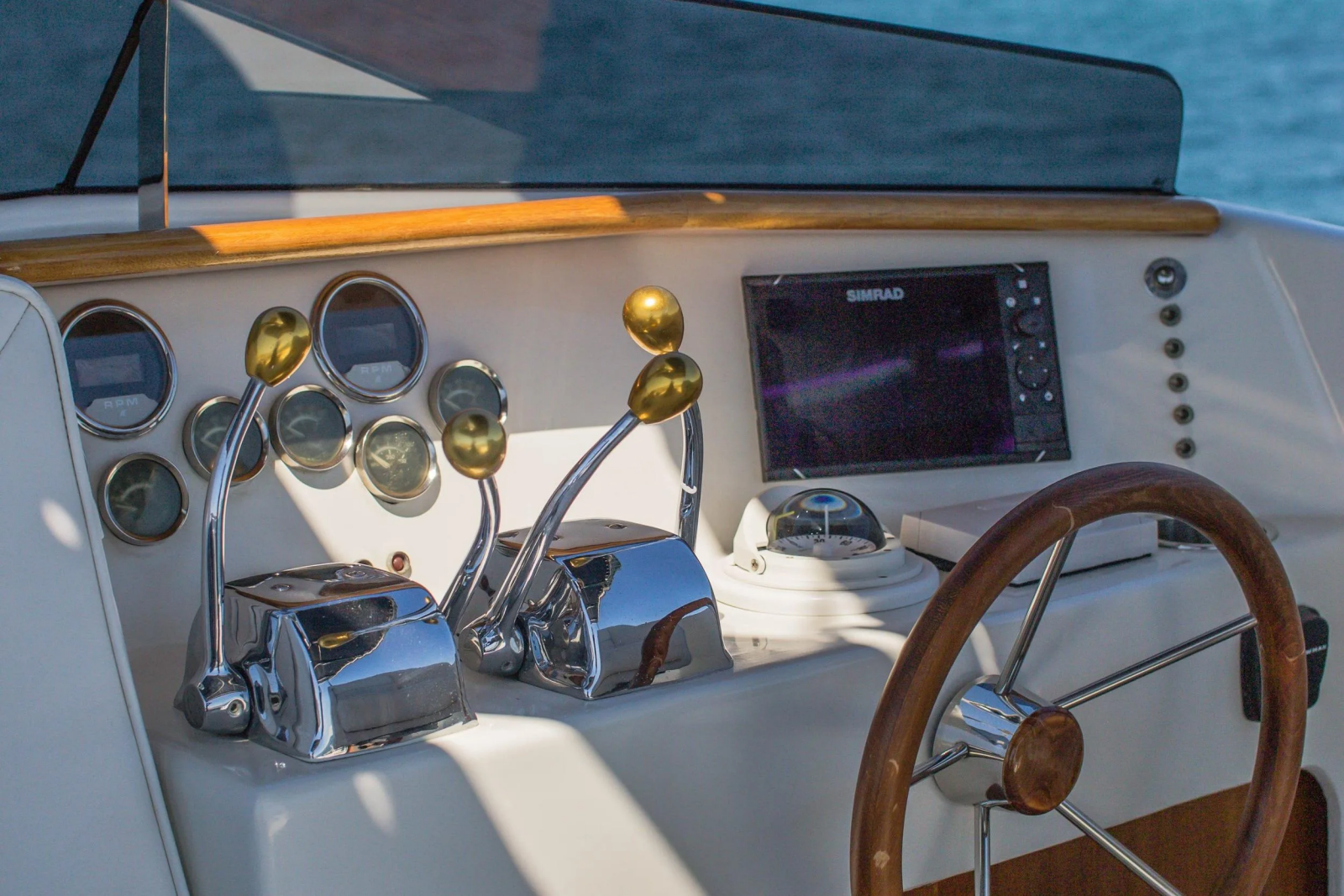
- Dual Station Morse Cable Controls for Throttle and
- Transmission
- 200’ anchor rode, dual anchors (and stern anchor in
- lazarette)
- Xintex Fully-automoated Fire Suppression System (2024)
- Original Detroit Diesel 8V71Ns with original Allison marine drive transmission
- 32V starters, starting system, and alternators (boat has entirely new electrical systems: most everything converted to 12V except for engine starting, bilge pumps, and windlass on 32V, can be converted easily to 24V if desired)
- 4 blade propellers rebalanced and serviced in 2024, prop-shafts machined and engines aligned at same time
- Complete rebuild in Newport Beach by previous owner in the early 2000's
- 1495 total hours since the complete rebuild, 500 hours with the current owner
- Walker Aires (crankcase oil catch cans) installed in early 2000's
- Converted to spin-on fuel filters from canister filters (much easier/quicker to change primary and secondary filters)
- Twin Detroit Diesel 8V71N Engines with Allison / GM
- Transmissions, Morse Cable Controls (~1000 hours since
- rebuild)
- Four blade bronze propellers and stainless propshafts
- (rebalanced in 2020)
- Kohler 15kW Diesel Generator (1300 hours) with full
- acoustic shield
- 2x300 Gallons Steel Diesel Tanks (cleaned 2018)
- 1x250 gallon steel water tank
- 1x100 gallon holding tank with charcoal air filter
- Fully insulated engine room and Vernatone mufflers
- Entirely replaced wiring loom, starter circuits and gauge connections in 2018 as part of restoration
- Replaced all low/high pressure hoses and wet exhaust hoses
- Replaced all large exhaust hoses aft to transom, replaced original bronze exhaust pipes with fiberglass
- Vernatone high capacity mufflers (quieter than most Detroits, sound fantastic)
- Adjusted fuel injector rack about 300 hours ago
- Added air filter media to intakes (original motors had no filters!)
- Added Racor Fuel vacuum gauges to monitor fuel filter vacuum
- Coolant system flush 2022
- New accessory belts every few years
- Engine zincs replaced 2023
- Flushed transmission oil and replaced trans oil filters in 2021
- New impellers as needed
- Oil changes approx every 50-100 hours depending on use
- New Racor, primary and secondary fuel filters installed regularly
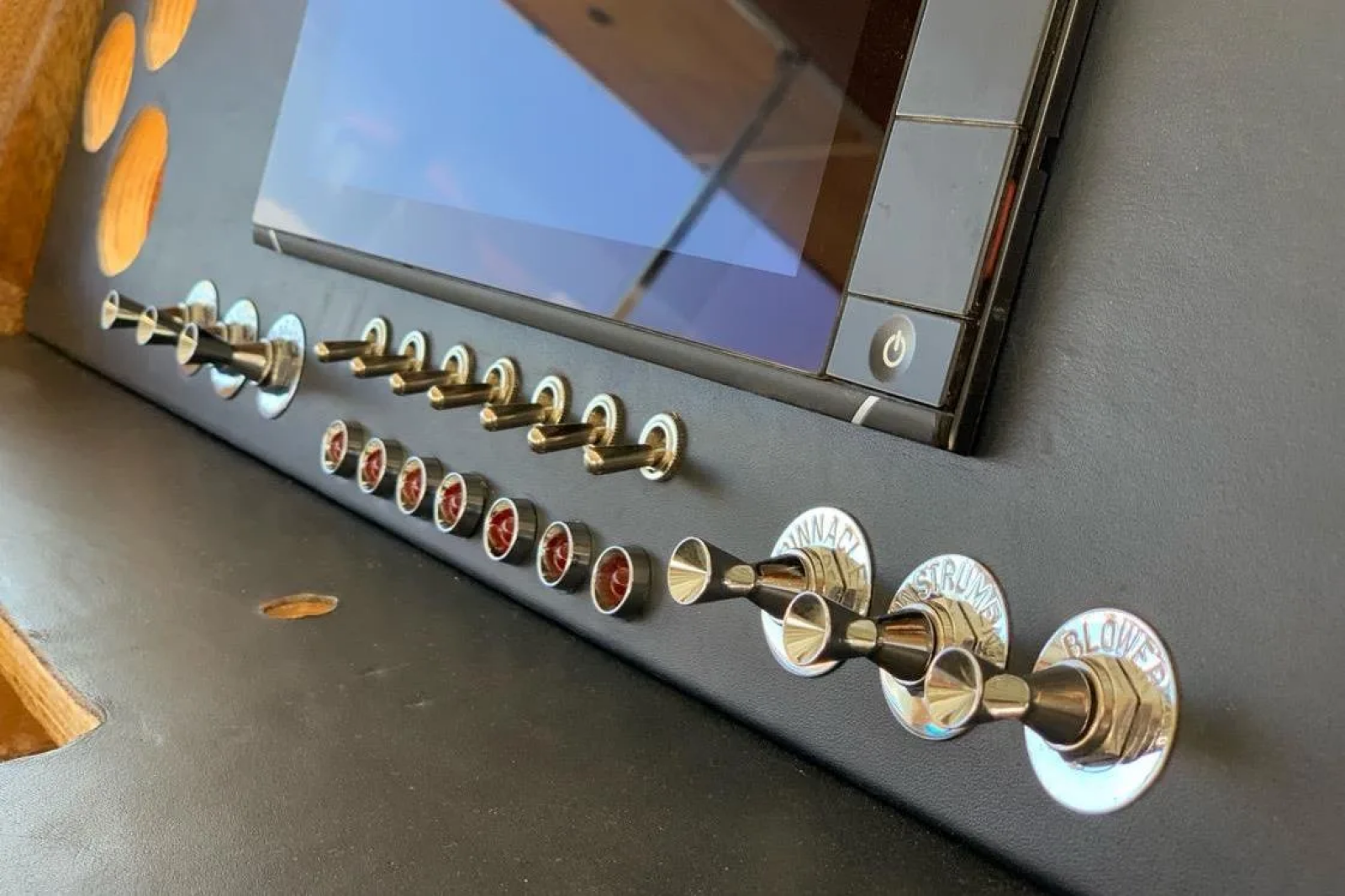
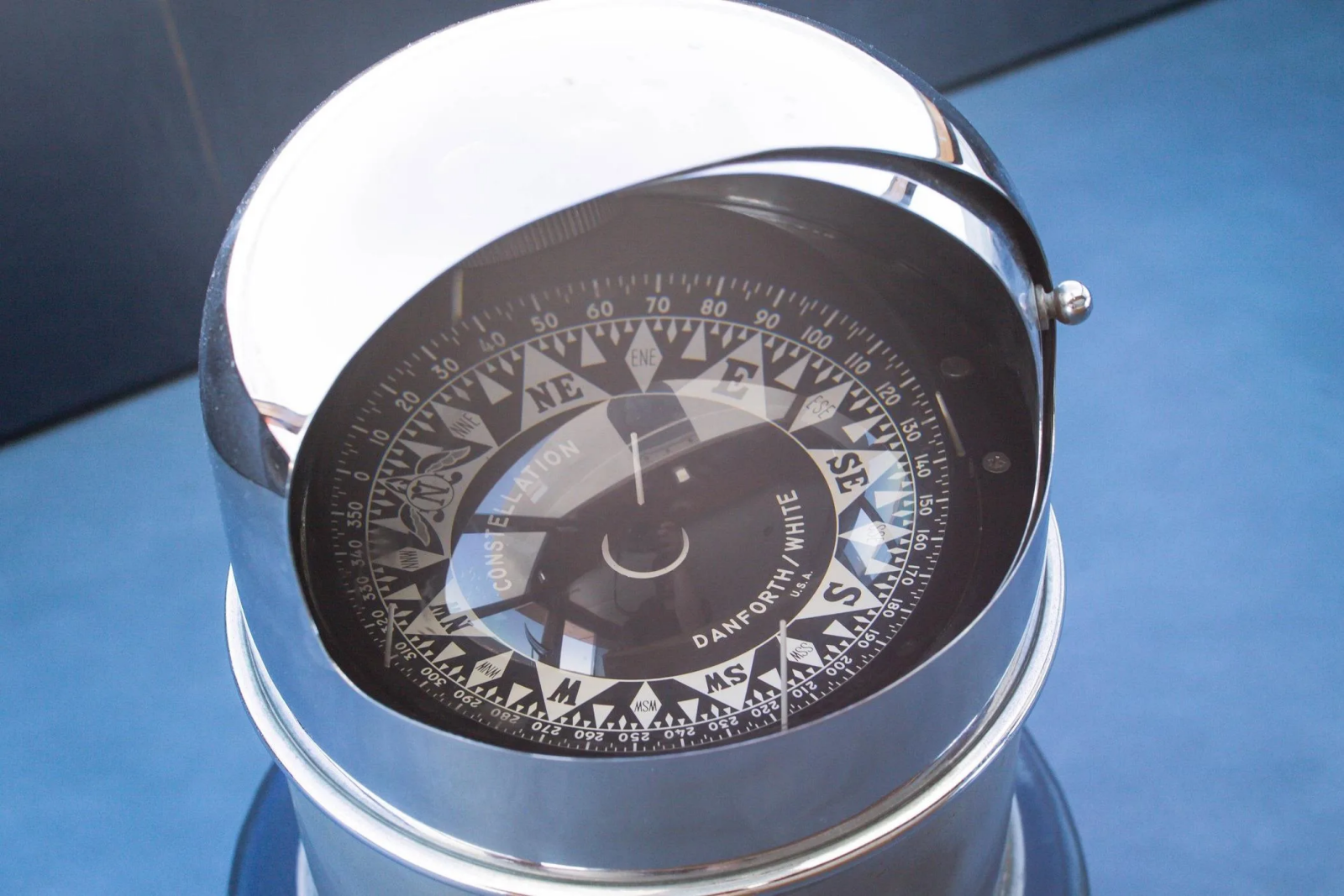
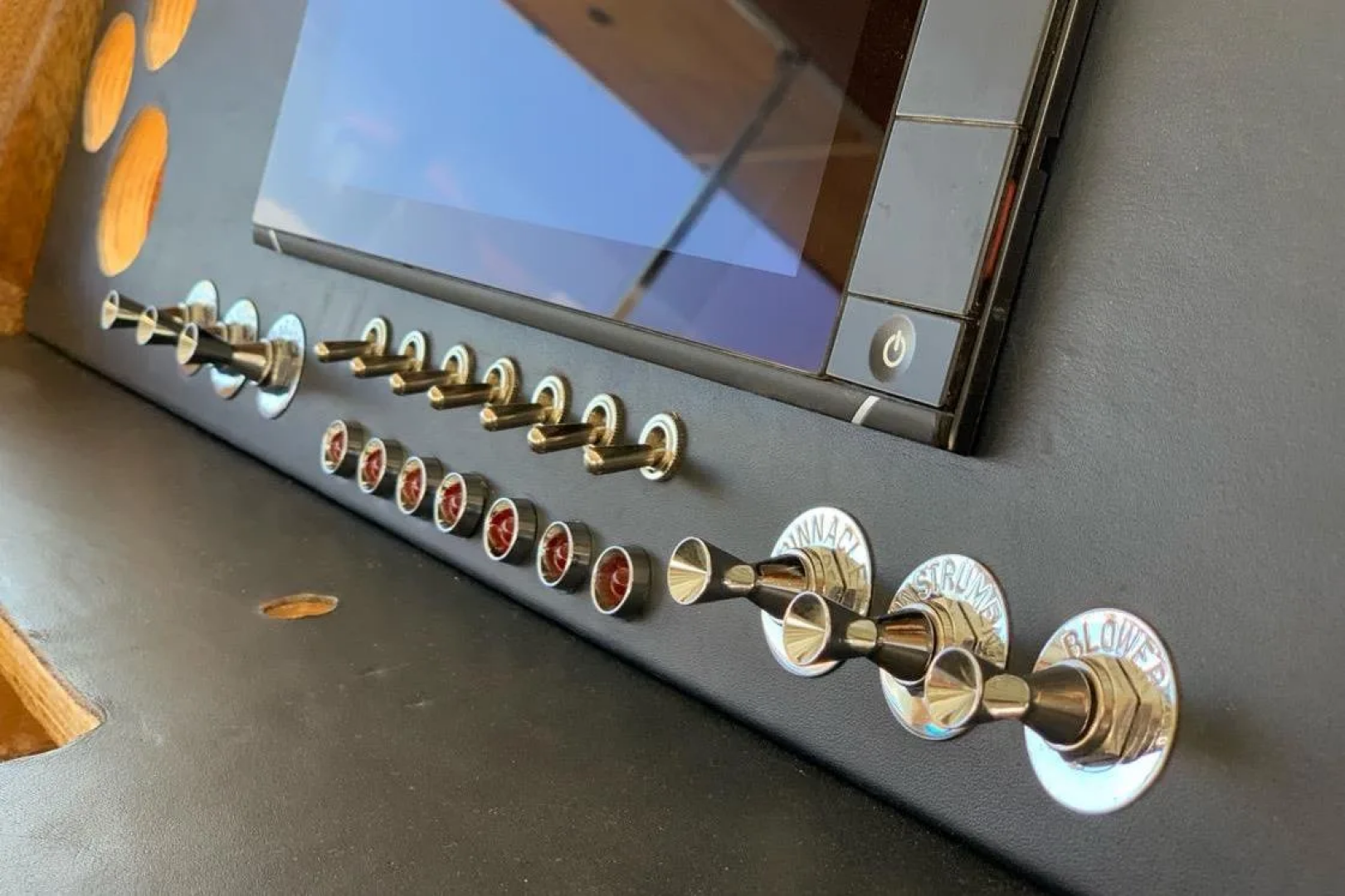
- Simrad NSS 12 EVO 3 and Simrad NSS 9 EVO 3
- Simrad AC40 Autopilot and Raymarine Rudder Motor
- Simrad 4G broadband radar
- Simrad StructureScan Sonar Sounder
- Simrad Network Control
- Simrad and ICOM VHF Radios
- Iridium Satellite Radio
- Starlink dedicated antenna
- Tank Tender fluid level indicators
- Motorized spotlight and searchlights