

What sets successful luxury brokers apart is not luck but the discipline of daily prospecting. For new and rising real estate professionals in markets from Dubai to New York, finding and engaging high-value clients requires deliberate outreach. This article unpacks prospecting as the foundation for controlling your business pipeline, with actionable strategies and modern techniques to help you consistently connect with premium buyers and sellers. Mastering these methods positions you among the top agents who drive growth through relationship capital and consistent engagement.
Table of Contents
- Defining Prospecting In Real Estate
- Why Prospecting Matters For Real Estate Agents
- The Core Activities That Make Prospecting Work
- The Difference Between Prospecting And Lead Generation
- Types Of Prospecting Methods For Agents
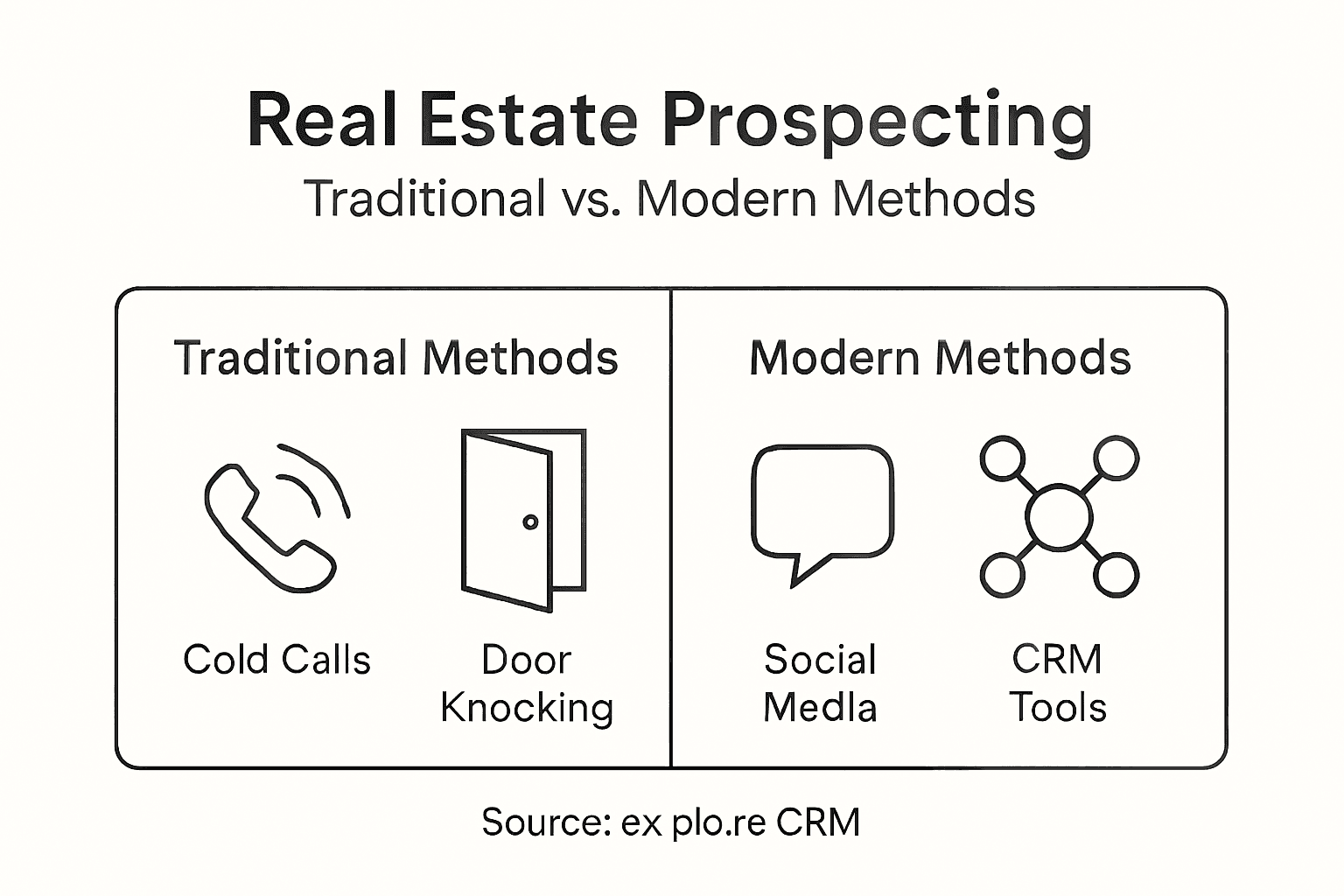
- Traditional Prospecting Methods
- Modern Prospecting Methods
- Hybrid Approaches That Work Best
- Key Tools And Strategies For Success
- CRM Systems: The Foundation
- Sales Intelligence And Lead Identification
- Engagement Strategies That Close Deals
- Legal And Ethical Considerations In Prospecting
- Common Mistakes And How To Avoid Them
Key Takeaways
| Point | Details |
|---|---|
| Importance of Prospecting | Consistent prospecting is essential for maintaining a healthy client pipeline and achieving sustainable growth. |
| Diverse Methods | Successful agents use a blend of traditional and modern prospecting methods tailored to their strengths and market. |
| Utilizing Technology | Implementing a CRM system and sales intelligence tools enhances prospecting efficiency and improves follow-up strategies. |
| Legal and Ethical Compliance | Adhering to fair housing laws and maintaining transparency fosters trust and protects both agents and clients during prospecting. |
Defining Prospecting in Real Estate
Prospecting in real estate is the active process of identifying potential clients and engaging with them to convert them into customers. It’s about finding individuals ready to buy or sell properties and persuading them to choose your services.
Unlike passive marketing where clients come to you, prospecting requires deliberate outreach. You initiate contact, build relationships, and guide prospects toward transactions.
This isn’t glamorous work. Cold calling, networking events, social media outreach, and relationship-building all fall under prospecting. But this foundational activity is what separates brokers who grow from those who stagnate.
Why Prospecting Matters for Real Estate Agents
Prospecting directly impacts your client pipeline. Without consistent prospecting, you rely on referrals and past clients—a limited source that eventually dries up.
Here’s what prospecting actually delivers:
- Consistent deal flow – You control your own pipeline instead of waiting for opportunities
- Market knowledge – You learn neighborhood trends, pricing patterns, and buyer preferences firsthand
- Relationship capital – You build trust with prospects who may not buy today but will remember you later
- Competitive advantage – Agents who prospect regularly outpace those who don’t
Prospecting is not optional for brokers seeking sustainable growth. It’s the engine that powers your business.
The Core Activities That Make Prospecting Work
Prospecting encompasses multiple tactics, not just one approach. Understanding what fits your strengths and market is critical.
Common prospecting methods include:
- Cold calling – Direct phone contact with sphere contacts or leads
- Door knocking – Face-to-face outreach in target neighborhoods
- Networking – Building relationships at industry events and community gatherings
- Social media engagement – Connecting with prospects through platforms where they spend time
- Referral requests – Asking satisfied clients for introductions to their friends and family
- Content marketing – Sharing valuable information that attracts prospects organically
Each method has different conversion rates and requires different skill levels. The best brokers combine several approaches rather than relying on a single tactic.
The Difference Between Prospecting and Lead Generation
Prospecting and lead generation aren’t the same thing. Lead generation identifies interested people; prospecting actively pursues them.
Lead generation creates the list. Prospecting turns that list into conversations and relationships. You need both working together to succeed.
When you understand what types of real estate leads exist, you can target your prospecting efforts more effectively.
Pro tip: Start your prospecting week by identifying three specific target groups (neighborhoods, buyer types, or life events) and commit to daily outreach to each group—consistency beats intensity.
Types of Prospecting Methods for Agents
Prospecting methods vary widely, and the most successful agents use multiple approaches. What works depends on your personality, market, and target client. The key is finding the methods that feel authentic to you.
Modern prospecting has shifted significantly. Social selling strategies now dominate alongside traditional methods, with agents building authentic connections through digital platforms while maintaining relationship-focused approaches.
Traditional Prospecting Methods
These methods have worked for decades and remain effective today, especially when combined with modern tactics.
Cold calling involves direct phone contact with sphere contacts or expired listings. It’s direct, immediate, and allows real conversations. Some agents resist it, but it still delivers results when done authentically.

Door knocking means face-to-face neighborhood outreach. You build neighborhood presence, establish credibility, and gather market intelligence. This method requires time and resilience but creates memorable interactions.
Referral requests leverage your existing client base. Simply asking satisfied clients for introductions to friends and family generates warm leads. This costs nothing and converts at high rates.
Networking events bring you into rooms with potential clients and other agents. Industry conferences, community gatherings, and Chamber of Commerce meetings create relationship-building opportunities.
Here’s how traditional and modern prospecting methods differ in key areas:
| Aspect | Traditional Methods | Modern Methods |
|---|---|---|
| Primary Channel | Phone and in-person meetings | Digital platforms and email |
| Relationship Depth | High, personal interaction | Builds over time with engagement |
| Initial Comfort | Often uncomfortable | Usually less intrusive |
| Lead Quality | Warmer, from direct contact | Varies, requires nurturing |
| Required Skillset | Strong verbal and social | Digital communication, creative |
Modern Prospecting Methods
Digital platforms have opened new prospecting channels that feel less intrusive than traditional cold outreach.
- Social media engagement – Build authentic connections on Facebook, Instagram, LinkedIn, and TikTok
- Content marketing – Share valuable insights that attract prospects organically to your platforms
- Email campaigns – Send personalized, value-driven messages to nurture leads over time
- LinkedIn prospecting – Connect with local professionals, decision-makers, and relocating executives
- Facebook targeted ads – Reach specific demographics in your market with property listings and buyer guides
The most effective prospecting combines digital presence with genuine relationship-building, not replacing one with the other.
Hybrid Approaches That Work Best
Top producers rarely rely on a single method. They blend approaches strategically.
For example, you might use cold calling in real estate for expired listings while simultaneously nurturing your Instagram followers with market updates. Or combine door knocking in target neighborhoods with email follow-ups to those contacts.
The combination creates multiple touchpoints and maximizes your reach.
Pro tip: Choose two to three prospecting methods that match your personality, commit to them consistently for 90 days, and track which method generates your highest-quality leads before adjusting your strategy.
Key Tools and Strategies for Success
Prospecting without the right tools feels like rowing upstream. Modern agents need technology that tracks interactions, enriches contact data, and automates follow-ups. The best tools are invisible—they work quietly while you focus on relationships.
Successful prospecting relies on three pillars: relationship management systems, sales intelligence, and consistent engagement strategies. Together, they transform scattered outreach into a predictable pipeline.
CRM Systems: The Foundation
A customer relationship management system (CRM) is non-negotiable. It’s where your prospecting data lives and your strategy comes alive.
CRM systems handle critical functions:
- Contact enrichment – Automatically gather and organize prospect information
- Interaction tracking – Record every call, email, and meeting in one place
- Follow-up automation – Schedule reminders so no lead falls through cracks
- Pipeline visibility – See exactly where each prospect stands in your sales process
- Historical context – Access complete conversation history instantly
Relationship management with CRM systems enables agents to track interactions systematically and nurture leads over time with personalized communication.
Without a CRM, you’re managing leads in your head—guaranteed to lose deals to disorganization.
Sales Intelligence and Lead Identification
Not all prospects are equal. Sales intelligence tools help you identify warm leads instead of wasting time on cold contacts.
These tools reveal:
- Property transfer history and timing
- Life event indicators (weddings, births, job changes)
- Neighborhood market trends
- Comparable sales data
- Buyer and seller motivations
With this intelligence, your outreach becomes targeted and relevant. You reach out with specific value instead of generic pitch messages.
Smart prospecting means working with data, not against it. Intelligence transforms cold calls into informed conversations.
Engagement Strategies That Close Deals
Tools are useless without strategy. Consistency matters more than intensity in prospecting.
Key strategies include:
- Social media engagement – Post market insights, client testimonials, and property showcases consistently
- Thoughtful content sharing – Provide genuine value through neighborhood guides and buyer education
- Automated follow-ups – Set up email sequences triggered by prospect behavior and actions
- Personalized outreach – Use prospect data to customize your messaging, not broadcast generic content
- Regular touchpoints – Stay visible without being intrusive through scheduled contact
The goal is becoming the agent prospects think of when they’re ready to move. That requires presence, not pressure.
Pro tip: Set up a simple CRM workflow today: log one prospect per day, record the interaction reason, and schedule an automated follow-up for two weeks later—this single habit builds momentum and prevents lead leakage.
Legal and Ethical Considerations in Prospecting
Prospecting operates within legal boundaries and ethical standards that protect both you and your clients. Cutting corners on compliance might feel faster, but it destroys trust and damages your reputation permanently.
The real estate industry is heavily regulated. Understanding your obligations transforms prospecting from risky activity into confident, compliant outreach.
Transparency and Honesty
Transparency means disclosing your role and intentions clearly from the first contact. Don’t misrepresent yourself or hide that you’re a real estate agent seeking business.
When you call a prospect, state your purpose immediately. When you share property information, ensure it’s accurate and complete. Honesty in prospecting builds immediate credibility and filters for serious leads.
Misrepresentation creates legal liability. It also generates complaints and damages your market reputation instantly.
Fair Housing and Anti-Discrimination Laws
Fair housing laws protect prospects from discrimination based on protected characteristics. These laws apply to every prospecting conversation, email, and advertisement.
Prohibited grounds include:
- Race or color
- National origin
- Religion
- Sex or gender identity
- Disability status
- Familial status
- Age
Your prospecting must reach diverse audiences equally. Avoid steering prospects toward or away from neighborhoods based on protected characteristics. Ethical considerations in real estate practices establish that agents must avoid discrimination and provide equal treatment to all prospects.
Violations carry serious penalties including fines and license suspension.
Privacy and Data Protection
Prospects share personal information with you based on trust. Handle it responsibly or face legal consequences.
Protect prospect data by:
- Securing contact information in compliant systems
- Following Do Not Call regulations strictly
- Obtaining explicit consent before adding prospects to email lists
- Respecting unsubscribe requests immediately
- Never selling or sharing prospect data without permission
Data breaches create liability and destroy your professional reputation.
Confidentiality and Fiduciary Duty
Information prospects share during prospecting conversations is confidential. You cannot use it against them or share it with competitors.
Ethics in prospecting means respecting confidentiality and putting client interests ahead of quick commissions.
Follow Local and State Regulations
Real estate prospecting regulations vary by location. Some areas restrict cold calling, require specific disclosures, or mandate licensing for certain activities.
Your broker should provide guidance on:
- Local licensing requirements
- Required disclosures in your market
- CRM compliance standards
- Record-keeping obligations
- Advertising restrictions
Ignorance of local rules doesn’t protect you legally.
Pro tip: Review your state’s real estate commission website quarterly and discuss any prospecting process changes with your broker immediately—regulatory updates happen constantly, and staying informed prevents costly violations.
Common Mistakes and How to Avoid Them
Most agents fail at prospecting not because they lack ability, but because they repeat preventable mistakes. Understanding these pitfalls gives you a competitive advantage immediately.
The difference between successful and struggling agents often comes down to discipline and consistency in prospecting execution.
Mistake 1: Deprioritizing Prospecting for Urgent Tasks
Prospecting feels less urgent than responding to current clients or handling paperwork. So agents push it aside repeatedly until their pipeline dries up.
This is backwards. Prospecting is your most income-generating activity, so it deserves your best hours, not your leftover time.
Block daily income-generating hours dedicated solely to prospecting. Treat this time like client appointments—non-negotiable and protected. Even two hours daily transforms your results.
Without this protection, administrative work consumes your day and your pipeline suffers.
Mistake 2: Avoiding Discomfort Activities
Cold calling feels uncomfortable, so agents avoid it. Door knocking feels awkward, so they skip it. Rejection stings, so they rationalize avoiding contact.
Common real estate mistakes agents make include avoiding prospecting discomfort entirely. But discomfort is where growth happens.
Top producers embrace rejection. They understand that every “no” moves them closer to “yes.” They reframe discomfort as evidence of progress.
Start small if cold calling terrifies you. Make five calls daily, then ten. Build the habit before intensity.
Mistake 3: Neglecting CRM Management
Agents collect prospects then lose track of them. Contact information sits in notebooks or old emails. Follow-ups get forgotten. Deals evaporate.
A neglected CRM is almost worse than no CRM. Outdated databases create duplicate work and missed opportunities.
Commit to updating your CRM daily:
- Log every prospect interaction immediately
- Record next action and follow-up date
- Note relevant details about prospect needs
- Review pipeline weekly for stalled prospects
Your CRM works only if you maintain it consistently.
This table highlights common CRM mistakes and how to prevent them:
| Mistake Type | Impact on Business | Solution |
|---|---|---|
| Neglecting data entry | Missed follow-ups or deals | Log every interaction promptly |
| Outdated information | Duplicate or lost leads | Update details after each contact |
| No scheduled reviews | Stalled opportunities | Review CRM weekly for action |
| Generic notes | Poor personalization | Record unique needs and insights |
Mistake 4: Relying on a Single Lead Source
Agents become dependent on one prospecting method. When that source dries up, their business collapses.
Diversify lead sources across multiple channels. Use referrals, social media, cold calling, networking, and content marketing together. This creates pipeline stability.
If one method underperforms, you have backups generating business.
Prospecting success demands daily action. One-time efforts create one-time results.
Mistake 5: Poor Financial Management
Agents don’t track prospecting expenses or ROI. They spend inconsistently on tools, advertising, or training without measuring results.
Track which prospecting activities generate your highest-value deals. Invest more in those channels. Cut or improve underperforming methods.
This data-driven approach maximizes your prospecting investment.
Pro tip: Dedicate Monday mornings to reviewing your CRM pipeline, identifying three stalled prospects to follow up with, and blocking your daily prospecting hours for the week—this single ritual prevents momentum loss.
Transform Your Real Estate Prospecting Into Consistent Growth
The article highlights how real estate prospecting demands relentless consistency, smart relationship management, and effective use of data to build a steady client pipeline. If you find yourself struggling with coordinating outreach methods, keeping track of leads, or automating follow-ups without dropping the ball you are not alone. These pain points around CRM management and multi-channel prospecting reveal a clear need for a streamlined, intelligent platform that does the heavy lifting for you.
At ex.plo.re CRM, we specialize in helping agents like you overcome these exact challenges. Our cutting-edge tools automate contact enrichment, follow-up scheduling, and pipeline visibility so no lead slips through the cracks. Combining traditional prospecting tactics with modern digital engagement is effortless when you have the right technology and expert support working behind the scenes.
Accelerate your client acquisition and amplify your impact with a platform designed specifically for local real estate pros aiming to become power brokers.
Explore how CRM systems can transform your prospecting strategy today and take control of your sales cycle with confidence.

Don’t let inconsistent prospecting cost you another deal. Visit ex.plo.re CRM now to start powering your pipeline with proven tools and expert talent committed to your success.
Frequently Asked Questions
What is prospecting in real estate?
Prospecting in real estate is the process of identifying potential clients and engaging with them to convert them into customers, focusing on individuals ready to buy or sell properties.
Why is prospecting important for real estate agents?
Prospecting is vital as it ensures a consistent flow of clients, provides market knowledge, builds relationship capital, and offers a competitive advantage by fostering ongoing engagement with potential customers.
What are some effective prospecting methods for real estate agents?
Effective prospecting methods include cold calling, door knocking, networking events, social media engagement, referral requests, and content marketing, with the best agents combining several approaches.
How does prospecting differ from lead generation?
Prospecting actively pursues identified leads to convert them into clients, while lead generation focuses on collecting potential client information. Both processes are essential for a successful real estate business.