

Over 80 percent of American yacht sales now involve brokers with highly specialized expertise. In a complex market where vessel types and regulations vary widely, choosing the right agent can make a substantial difference in transaction value and peace of mind. Understanding how yacht brokerage specialization shapes your buying or selling experience opens the door to smarter decisions and stronger results in the competitive world of American maritime assets.
Table of Contents
- Defining Yacht Brokerage Specialization
- Differences Between Yacht Broker Types
- How Yacht Brokerage Works For Agents
- Licensing And Certification Essentials
- Key Advantages Of Yacht Specialty
- Risks And Legal Financial Considerations
Key Takeaways
| Point | Details |
|---|---|
| Yacht Brokerage Specialization | Agents focusing on specific yacht types gain deep technical knowledge and enhance client satisfaction, leading to higher transaction values. |
| Diverse Broker Roles | Brokers can specialize as listing or selling agents, creating niche areas that enhance their market effectiveness. |
| Operational Framework | Successful yacht brokers must develop strong networks and navigate complex sales processes to provide comprehensive advisory services. |
| Risk Management | Understanding legal and financial risks is crucial for yacht brokers, requiring proactive measures to protect clients and themselves. |
Defining Yacht Brokerage Specialization
Yacht brokerage specialization represents a strategic approach where agents develop deep expertise within a specific segment of the maritime sales market. Unlike generalist real estate agents, specialized yacht brokers focus intensely on understanding nuanced client needs, vessel characteristics, and market dynamics specific to particular yacht types, sizes, or client demographics.
Specialization allows brokers to develop technical proficiency that sets them apart in a competitive marketplace. By concentrating on specific yacht categories such as sport fishing vessels, luxury motor yachts, or sailing performance crafts, agents can build remarkable knowledge depth. Yacht Brokerage Trends 2025: Complete Guide indicates that targeted market expertise directly correlates with higher transaction values and client satisfaction.
Successful yacht brokerage specialization involves multiple strategic components. Brokers must invest time in continuous learning about their chosen niche, develop robust industry networks, understand intricate technical specifications, and cultivate relationships with manufacturers, surveyors, and maritime financing professionals. This approach transforms a generalist agent into a recognized authority who can offer sophisticated guidance beyond basic transactional services. Clients seek specialists who demonstrate comprehensive understanding of complex maritime assets and can navigate intricate purchase processes with precision and confidence.
Key aspects of yacht brokerage specialization include:
- Deep technical knowledge of specific vessel categories
- Advanced understanding of maritime regulations
- Strong professional networks within chosen market segments
- Targeted marketing strategies
- Continuous professional development
- Advanced negotiation skills tailored to maritime transactions
Differences Between Yacht Broker Types
Yacht brokers are not a monolithic professional group but rather a diverse ecosystem of specialists with distinct roles and expertise. Yacht broker classifications fundamentally divide into two primary categories: listing brokers representing sellers and selling brokers representing buyers, with some professionals operating across both domains.
Within these broader categories, yacht brokers develop niche specializations that dramatically impact their professional effectiveness. Specialized yacht broker expertise can range across multiple vessel types, including motor yachts, catamarans, explorer vessels, and sailing crafts. Each specialty demands unique technical knowledge, market understanding, and client relationship management skills.

The most sophisticated yacht brokers often distinguish themselves through advanced market segment expertise. Some focus exclusively on luxury mega-yachts, while others specialize in performance racing vessels or expedition-style watercraft. These targeted approaches allow brokers to develop deep technical insights, cultivate specialized networks, and provide highly nuanced advisory services that generalist agents cannot match.
Key differences among yacht broker types include:
- Representation focus (seller vs buyer)
- Vessel type specialization
- Geographic market expertise
- Transaction scale and complexity
- Client demographic targeting
- Technical knowledge depth
Successful yacht brokers understand that true differentiation comes not just from categorization, but from developing comprehensive expertise within their chosen professional niche.
How Yacht Brokerage Works For Agents
Yacht brokerage represents a complex professional ecosystem where agents navigate intricate sales processes, acting as intermediaries between vessel sellers and potential buyers. What Is Yacht Brokerage? Complete 2024 Guide highlights the multifaceted nature of this profession, which requires deep market knowledge, extensive networking, and sophisticated negotiation skills.
The operational framework of yacht brokerage involves multiple strategic phases. Agents begin by conducting comprehensive market research, evaluating vessel valuations, preparing detailed marketing materials, and identifying potential buyers or sellers. This process demands exceptional communication skills, technical understanding of maritime assets, and the ability to build trust with high-net-worth clients who expect personalized, expert guidance throughout complex transactions.
Successful yacht brokers develop robust professional networks that extend beyond traditional sales interactions. They cultivate relationships with marine surveyors, financing institutions, insurance providers, and maintenance professionals. These connections enable agents to provide holistic advisory services, helping clients make informed decisions about substantial maritime investments. By understanding the nuanced requirements of different vessel types and client preferences, brokers transform themselves from simple sales representatives into trusted maritime transaction consultants.
Key operational components of yacht brokerage include:
- Initial client consultation and needs assessment
- Comprehensive market analysis
- Vessel valuation and pricing strategy
- Marketing and targeted promotional activities
- Negotiation and transaction management
- Post-sale support and relationship maintenance
Ultimately, yacht brokerage works for agents who are willing to invest significant time in developing specialized expertise, building credible professional networks, and delivering exceptional client experiences that extend far beyond traditional sales transactions.
Licensing And Certification Essentials
Navigating the regulatory landscape of yacht brokerage requires a comprehensive understanding of professional licensing requirements. Yacht broker licensing standards vary significantly across different states, with regions like Florida and California implementing stringent regulatory frameworks to ensure professional competence and consumer protection.
The certification process for yacht brokers involves multiple critical components beyond basic legal compliance. Aspiring professionals must typically complete specialized educational programs, pass comprehensive examinations, and demonstrate extensive knowledge of maritime sales regulations, vessel documentation, and complex transaction protocols. Professional yacht brokerage training emphasizes not just technical skills, but also ethical standards and industry best practices that distinguish top-tier agents.
Successful yacht brokers recognize that licensing is more than a bureaucratic requirement. It represents a commitment to professional excellence and client trust. Many jurisdictions mandate ongoing education, background checks, and proof of financial responsibility. These requirements help protect consumers and maintain the industry’s reputation by ensuring that only qualified, ethical professionals can represent high-value maritime transactions.
Key licensing and certification requirements typically include:
- State-specific broker licensing examinations
- Mandatory background checks
- Proof of professional liability insurance
- Continuing education credits
- Adherence to ethical conduct standards
- Specialized maritime transaction training
Ultimately, comprehensive licensing demonstrates a yacht broker’s dedication to professionalism, technical expertise, and client protection in a complex and high-stakes maritime sales environment.
Key Advantages Of Yacht Specialty
Yacht brokerage specialization offers transformative professional advantages that distinguish top-tier agents from generalist marketers. How to Find Yacht Buyers underscores the critical importance of developing targeted expertise in this high-stakes maritime sales environment.
The competitive differentiation of yacht specialty emerges through deep technical knowledge and refined client relationships. Specialized brokers can command premium commissions by demonstrating unparalleled understanding of specific vessel categories, market dynamics, and nuanced client expectations. This expertise allows agents to create more sophisticated marketing strategies, develop precision-targeted networking approaches, and deliver exceptional advisory services that transcend traditional sales transactions.
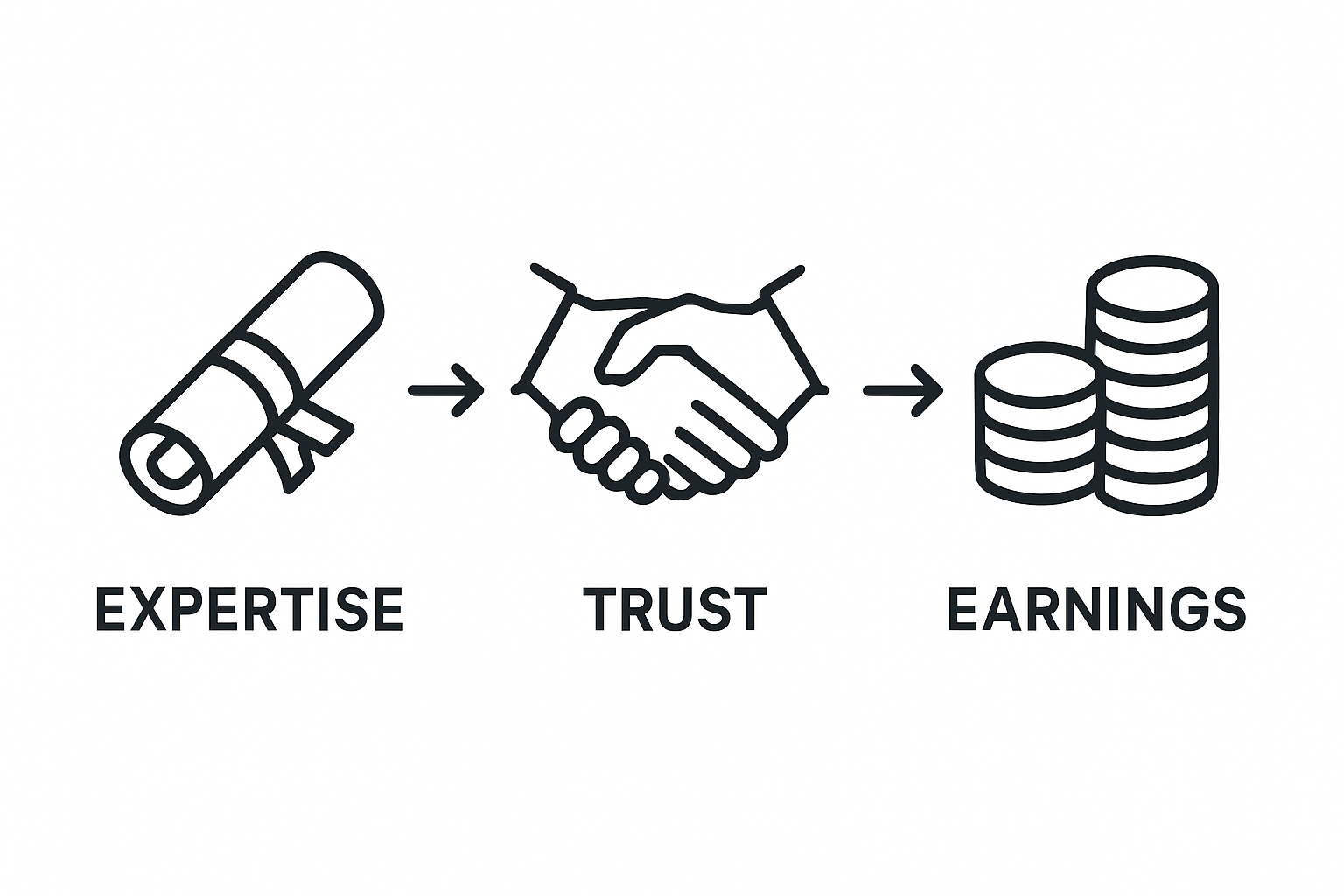
Professional yacht broker specialties enable agents to build powerful personal brands within specific maritime market segments. By focusing on luxury mega-yachts, performance racing vessels, or expedition watercraft, brokers can cultivate exclusive client networks, develop advanced technical credentials, and position themselves as recognized authorities. This strategic approach transforms yacht brokerage from a transactional service into a high-value consultative profession that attracts discerning, high-net-worth clientele.
Key advantages of yacht brokerage specialization include:
- Higher commission potential
- Enhanced professional credibility
- More targeted marketing opportunities
- Deeper industry networking capabilities
- Advanced technical expertise
- Ability to command premium service rates
Successful yacht brokers recognize that true specialization is not just about knowledge acquisition, but about creating a unique professional identity that sets them apart in a competitive maritime marketplace.
Risks And Legal Financial Considerations
Yacht brokerage involves complex legal and financial risks that demand sophisticated professional navigation. Yacht broker legal standards underscore the critical importance of understanding regulatory frameworks designed to protect both brokers and clients in high-value maritime transactions.
The financial liability landscape for yacht brokers encompasses multiple potential risk zones. Professionals must maintain comprehensive professional liability insurance, establish clear contractual protections, and develop robust documentation practices that mitigate potential legal challenges. Brokers face potential financial exposures from transaction disputes, misrepresentation claims, and complex maritime regulatory compliance requirements that can result in significant monetary penalties or professional sanctions.
Professional yacht brokerage demands a proactive approach to risk management that extends beyond traditional insurance coverage. Professional yacht brokerage risk management emphasizes the importance of developing comprehensive legal strategies, maintaining transparent client communications, and implementing rigorous due diligence processes. Successful brokers recognize that legal and financial risk mitigation is not just a protective measure, but a fundamental aspect of building long-term professional credibility.
Critical legal and financial risk considerations include:
- Comprehensive professional liability insurance
- Detailed transaction documentation
- Compliance with state and federal maritime regulations
- Clear contractual terms and client agreements
- Robust background verification processes
- Ongoing professional education and certification
Ultimately, effective risk management transforms potential legal vulnerabilities into opportunities for demonstrating professional excellence and client trust in the complex world of yacht brokerage.
Elevate Your Yacht Brokerage Career with Specialized Tools and Expertise
The article highlights how specializing as a yacht broker demands deep technical knowledge, targeted networking, and advanced negotiation skills to stand out in a competitive maritime market. If you are striving to build a unique professional identity and turn complex yacht transactions into rewarding consultative opportunities, you understand how challenging it can be to manage every aspect of client acquisition, marketing, and deal closing effectively.
At ex.plo.re CRM, we empower yacht brokers like you to amplify your impact without changing how you work. Our platform streamlines prospecting and sales cycles, enabling you to focus on delivering exceptional client experiences while we handle the tools that help you showcase your specialization with confidence. Whether your focus is on luxury mega-yachts or performance vessels, we provide the expert talent and cutting-edge solutions you need to become a true power broker.
Discover how to unlock higher commissions and build stronger client relationships today.
Take action now and experience how ex.plo.re CRM supports your journey to specialized yacht brokerage success.
Unlock your full potential with ex.plo.re CRM
Learn more about yacht brokerage trends
Explore strategies to find yacht buyers

Frequently Asked Questions
What does it mean to specialize as a yacht broker?
Specializing as a yacht broker means focusing on a specific segment of the yacht market, allowing agents to develop deep expertise in particular types of vessels, client needs, and market dynamics.
How does yacht brokerage specialization benefit agents?
Yacht brokerage specialization enhances an agent’s credibility, allows for higher commission potential, builds targeted marketing opportunities, and enables deeper industry networking capabilities through advanced technical expertise.
What are the key components of successful yacht brokerage specialization?
Successful yacht brokerage specialization involves continuous learning, developing professional networks, understanding technical specifications, and delivering sophisticated client advisory services tailored to specific vessel categories.
What risks do yacht brokers face in specialized markets?
Yacht brokers face financial and legal risks, including the need for comprehensive professional liability insurance, clear contractual agreements, detailed transaction documentation, and compliance with maritime regulations.